May 28, 2026
The Image Generator Debate: Examining the Controversies and Conflicting Views
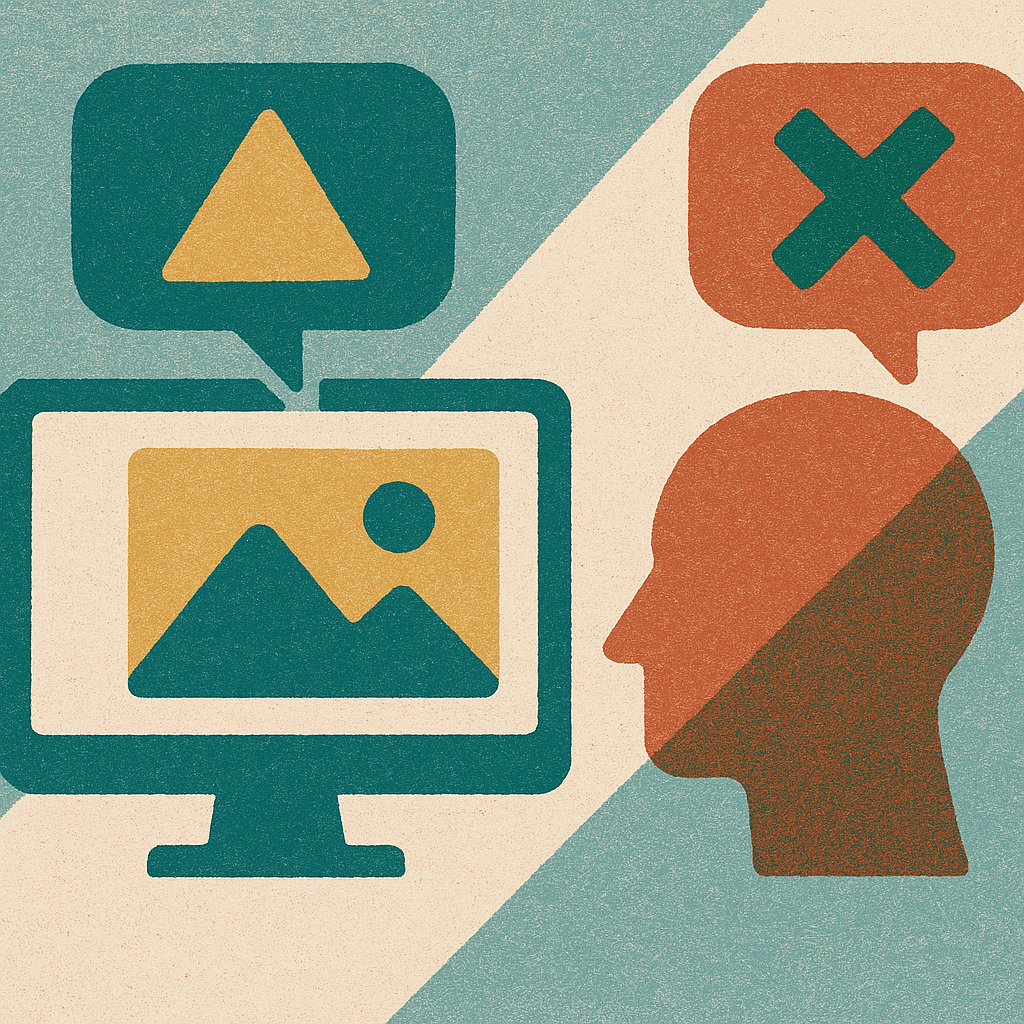
Image Generators
The rapid development of image generators, particularly those powered by artificial intelligence (AI), has stirred considerable debate within both creative and technological communities. These tools, which can produce striking visual content based on textual prompts, have opened new avenues for artistic expression but have also raised significant ethical concerns. This article delves into the controversy surrounding image generators, examining the arguments from both proponents and critics.
Understanding Image Generators
AI image generators utilize advanced algorithms and machine learning techniques to create images that mimic human creativity. By analyzing vast datasets of existing artwork, photographs, and illustrations, these systems can generate unique pieces based on user inputs. Popular platforms like DALL-E, Midjourney, and Stable Diffusion have gained traction among artists and non-artists alike, making it easier than ever to produce high-quality visuals in mere seconds.
The Case for Image Generators
Supporters of AI image generators argue that these tools democratize art creation. They provide access to individuals who may lack traditional artistic skills or resources, allowing them to express themselves visually without formal training. Some compelling points raised by advocates include:
- Accessibility: Anyone with internet access can use AI image generators to create art. This opens doors for those who might feel excluded from the traditional art world due to socioeconomic barriers.
- Efficiency: Artists can leverage these tools to enhance their creative workflows. For example, they may use generated images as inspiration or as drafts that they later refine manually.
- Innovation: Image generators push creative boundaries by enabling novel forms of artistic expression. The fusion of human input with machine capabilities can lead to unexpected and intriguing results.
Moreover, enthusiasts claim that rather than replacing traditional art forms, AI-generated images augment and coexist alongside them. Many contemporary artists are already integrating these technologies into their practice, exploring new styles and concepts that would be challenging to achieve through conventional methods.
The Counterarguments
- Copyright Issues: Many image generators are trained using copyrighted materials without explicit permission from original creators. This raises questions about ownership and intellectual property rights when an algorithm produces a piece reminiscent of specific styles or existing works.
- Lack of Authenticity: Critics argue that art is inherently tied to human experience and emotion—qualities that AI cannot replicate authentically. The fear is that as AI-generated content becomes more commonplace, it could undermine genuine artistic expression.
- Impact on Employment: With the rise of automated tools capable of generating professional-quality artwork quickly and at low cost, there are fears around job security for artists in fields such as illustration, graphic design, and advertising.
This divide between supporters and detractors emphasizes a fundamental tension in our relationship with technology: while innovation offers exciting possibilities for creativity, it also poses risks we must carefully navigate.
A Middle Ground?
The ongoing debates surrounding image generators suggest a need for discussions regarding ethical guidelines and best practices in their usage. Some experts advocate for a balanced approach where both artists' rights are respected while harnessing the benefits of these advanced technologies.
This middle ground could involve several strategies aimed at fostering a harmonious coexistence between traditional artistry and its AI counterparts:
- Clear Attribution Guidelines: Establishing credit mechanisms for original creators whose works are used in training datasets could help mitigate copyright concerns while encouraging collaboration between human artists and AI developers.
- Ethical Use Policies: Developers could implement policies ensuring that generated content does not infringe on copyright or produce harmful stereotypes or misinformation.
- Education Initiatives: Introducing educational programs aimed at teaching users how best to integrate AI tools into their creative processes could empower artists rather than render them obsolete.
The ideal scenario sees AI enhancing human creativity instead of competing with it—a symbiotic relationship where each amplifies the other's strengths rather than undermining weaknesses.
A Glimpse into the Future
This conversation must encompass ethical considerations while embracing innovation's potential—and it should strive towards solutions that respect artistic integrity amidst technological advancement. Ultimately, finding common ground will be essential in navigating this fascinating yet contentious frontier in art creation.
Diverse views abound as society grapples with this transformative technology; thus ongoing reflection on its implications will remain paramount as we explore what it means to be an artist in an age defined by artificial intelligence.Recent Posts
Maximizing ROI: Cost-Benefit Analysis in Neural Networks and AI Model Integratio...
May 28, 2026
Recent Breakthroughs in AI Models: A Comprehensive Timeline of Neural Network De...
May 28, 2026
Unveiling Underrated Image Generators: The Hidden Gems Every Creator Needs
May 28, 2026
Maximum Potential
Get the full experience with Pro Plan
INFORMATION