червень 1, 2026
Tracing the Evolution: Significant Milestones in Image Generator Technology

Image Generators
In recent years, image generators have witnessed a transformative evolution that has reshaped the landscape of digital art, design, and content creation. These sophisticated tools utilise artificial intelligence (AI) to create stunning visuals from text prompts, offering unprecedented possibilities for artists, marketers, and hobbyists alike. This article chronicles the significant milestones in the development of image generators over the past few years.
2014 - The Dawn of Neural Networks
The journey towards advanced image generation began with the advent of neural networks in the early 2010s. Researchers started developing generative adversarial networks (GANs), a revolutionary concept proposed by Ian Goodfellow in 2014. GANs consist of two neural networks—the generator and the discriminator—that work against each other to produce realistic images. While GANs were initially theoretical, they laid the groundwork for future advancements in AI-generated imagery.
2016 - Breakthroughs in Deep Learning
By 2016, deep learning techniques had begun to gain traction across various applications. Notably, companies like NVIDIA introduced progressive growing GANs that incrementally improved image resolution and quality. This breakthrough made it possible to generate high-quality images that were increasingly hard to distinguish from real photographs. The rise of these methods sparked interest among developers and artists who saw potential use cases for creative expression.
2018 - Art Breach: Style Transfer
A pivotal year arrived in 2018 when style transfer technology gained momentum, allowing users to apply artistic styles from famous paintings to their images through convolutional neural networks (CNNs). Applications like Prisma offered users an easy interface to transform ordinary photos into artworks resembling Van Gogh or Picasso's masterpieces. This consumer-friendly application showcased how machine learning could democratise creativity.
2020 - The Explosion of Text-to-Image Models
The landscape shifted significantly in 2020 with the introduction of first-generation text-to-image models such as DALL-E by OpenAI. This innovative model could generate images based solely on textual descriptions. For instance, inputting "an armchair in the shape of an avocado" would yield unique renditions of this surreal concept. DALL-E captured public attention not only for its capabilities but also for sparking conversations about creativity and ownership in AI-generated content.
2021 - Advancements with CLIP and Beyond
Following closely on DALL-E’s heels was OpenAI's CLIP model, which optimised the understanding between images and language. It allowed applications to rate generated images based on how well they matched user-provided text descriptions. This year marked further competitiveness amongst tech giants; Google unveiled Imagen, another powerful model capable of generating photorealistic images that set new benchmarks in quality. These developments drew scepticism regarding ethical concerns surrounding copyright infringement and misinformation.
2022 - Commercialisation and Accessibility
The commercialisation phase began taking shape as platforms like Midjourney emerged, enabling users worldwide to generate custom visuals through easy-to-use interfaces. In contrast to traditional graphic design software requiring extensive training, these platforms catered to both professionals and everyday users without technical expertise—escalating their popularity exponentially within creative communities.
2023 - A New Era: Regulations and Ethical Considerations
As we entered 2023, regulators globally began grappling with implications surrounding AI-generated imagery concerning copyright laws and ethical standards. Experts raised questions about accountability, authenticity, bias within algorithms used for generation purposes—issues particularly pertinent when applied commercially or artistically where sensitive topics might arise.
The rise of image generators has triggered a serious dialogue regarding intellectual property rights as numerous artists have expressed concerns over uncredited usage or mimicry stemming from popularisation efforts made by AI models trained on vast datasets containing copyrighted material.
A Q&A Look at Current Image Generators
Q: How do image generators work?
A: Image generators use complex algorithms known as neural networks that learn from vast datasets comprising thousands or millions of images paired with descriptive text captions during training processes aimed at achieving realistic results from user-inputted prompts.
Q: What types of applications are available today?
A: Various applications exist ranging from consumer-focused ones such as Midjourney or Artbreeder which allow casual users access simple interfaces—to professional-grade solutions like Adobe Firefly catering primarily toward designers needing high-quality outputs while maintaining trademark rights compliance.
Q: Are there risks associated with using these tools?
A: Yes! Potential risks include unintentional perpetuation of biases reflected within training data affecting generated results negatively along with ethical concerns regarding ownership rights leading down avenues fraught with legal complexities when utilising content commercially without appropriate permissions granted beforehand!
The rise of image generators continues shaping our visual landscape while simultaneously presenting opportunities alongside challenges yet untackled completely by regulatory frameworks set forth globally. As technological advancements continue unfolding rapidly within this domain—creatives must engage actively seeking balance between exploiting innovation responsibly whilst upholding foundational ethics spanning across artistry intertwined intricately via both human touch combined seamlessly alongside machine intelligence!
This ongoing evolution invites everyone—from curious amateurs exploring new forms artistic expression—to seasoned professionals navigating transformation ahead—contributing collectively towards defining best practices around leveraging AI responsibly shaping future generations’ interactions rooted deeply enmeshed within realms art intertwined seamlessly communicating visually beyond mere words themselves!
Recent Posts
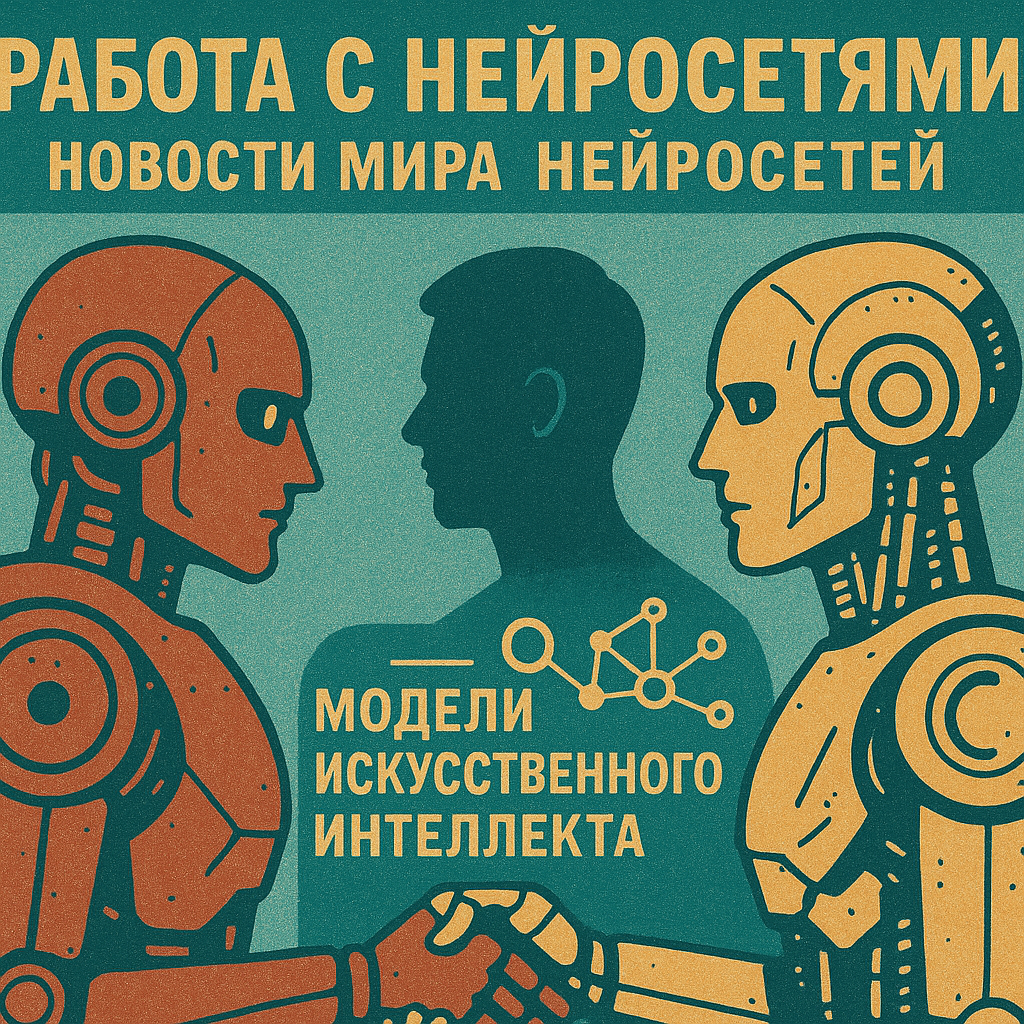
Head-to-Head: Comparing Top AI Models in Работа с Нейросетями and Their Impact
червень 16, 2026
Debunking Myths: The Realities of Работа с Нейросетями and AI Models Today
червень 16, 2026
Unlocking Creativity: A Simple Guide to Using Image Generators for Beginners
червень 16, 2026

Maximum Potential
Отримайте повний досвід із планом Pro
ІНФОРМАЦІЯ