February 7, 2026
Transform Your Creativity: Discover the Power of Image Generators Today!
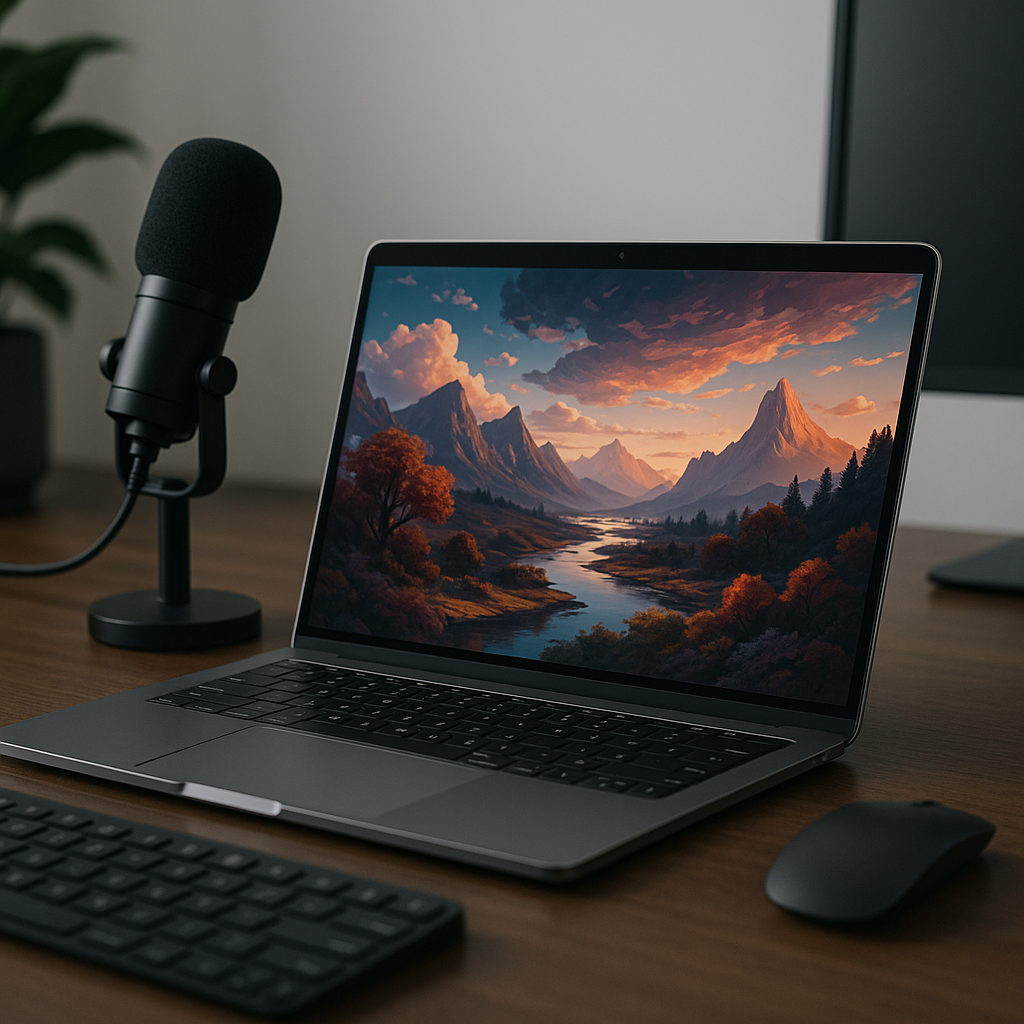
Image Generators
The rapid evolution of technology has led to significant advancements in various fields, and one of the most intriguing developments in recent years is the emergence of image generators powered by artificial intelligence (AI). These sophisticated tools are capable of creating artwork, photographs, and graphics from scratch based on textual prompts, transforming the creative landscape and raising important questions about the future of art and intellectual property.
At the forefront of this innovation are platforms like OpenAI's DALL-E, Midjourney, and Stability AI’s Stable Diffusion. These image generators utilize deep learning algorithms to analyze vast datasets of images and their associated textual descriptions, enabling them to understand the nuances of visual aesthetics and language. By doing so, they can generate highly detailed and contextually relevant images, often indistinguishable from those created by human artists.
The technology behind these image generators mainly revolves around Generative Adversarial Networks (GANs) and transformer models. GANs consist of two neural networks: a generator that creates images and a discriminator that evaluates them. This interplay drives the generator to produce increasingly realistic images over time, leading to a continuous cycle of improvement. Transformer models, on the other hand, are particularly adept at processing sequential data, making them effective in understanding and interpreting text input, which is crucial for creating images based on prompts.
The applications of image generators are vast and varied. In the realm of digital art, artists can harness these tools to brainstorm ideas, generate unique visual content, or even complete their works. For instance, a graphic designer might input a prompt describing a futuristic cityscape and receive several iterations of images that could inspire their final design. This capability not only enhances creativity but also streamlines the production process in industries such as advertising, gaming, and animation.
Beyond art, image generators are making waves in fields like fashion, architecture, and product design. Fashion designers can visualize concepts before they are physically created, architects can produce design mock-ups quickly, and product designers can iterate on their ideas without the need for costly prototypes. The speed and efficiency provided by these tools are invaluable, especially in fast-paced industries where time-to-market can be a critical factor.
Despite their potential, the rise of image generators has sparked a heated debate about ethics, ownership, and the value of human creativity. One of the primary concerns is copyright infringement. Many image generators are trained on datasets containing millions of images from the internet, often without explicit permission from the original creators. Consequently, when an AI generates an image that closely resembles an existing work, it raises questions about who owns the rights to that image and whether the original artist is entitled to compensation.
This issue has led to calls for clearer regulations surrounding AI-generated content. Some proponents argue that new copyright laws should be established to protect human creators while also recognizing the unique contributions of AI. Others believe that existing intellectual property laws are sufficient but need to be adapted to account for the nuances of AI-generated works. The ongoing discussions highlight the need for a balanced approach that encourages innovation while safeguarding the rights of artists.
Another significant concern is the potential for misuse of image generators. The ability to create hyper-realistic images raises the specter of deepfakes and misinformation, where individuals could produce misleading content that appears genuine. This capability has already been observed in political contexts, where manipulated images have been used to sway public opinion or discredit opponents. To combat this, developers and researchers are exploring ways to embed digital watermarks and other identifiers in generated images to ensure authenticity and traceability.
As image generators continue to evolve, their impact on the art world and beyond will only grow. Many artists are beginning to embrace these tools as collaborators rather than competitors. By integrating AI into their creative processes, they can explore new styles, techniques, and concepts that would otherwise be challenging to achieve. This collaboration between human ingenuity and machine learning has the potential to redefine what it means to create art in the 21st century.
Moreover, educational institutions are starting to incorporate AI tools into their curricula, preparing the next generation of artists and designers to navigate a landscape where technology and creativity intersect. Workshops and courses that focus on the ethical implications of AI in art, as well as practical training on how to use these tools, are becoming increasingly common. This proactive approach ensures that emerging artists are equipped to harness the power of image generators while being mindful of the ethical considerations involved.
In summary, image generators represent a significant leap forward in the intersection of technology and creativity. While they offer unparalleled opportunities for innovation and efficiency across various industries, they also pose challenges that must be addressed through thoughtful dialogue and regulation. As society grapples with these issues, it is crucial to strike a balance that fosters creativity, respects intellectual property, and mitigates the risks associated with misuse. The future of image generation is not just about technology; it is about how we choose to integrate these advancements into our cultural and artistic frameworks. As we move forward, the dialogue surrounding AI-generated content will undoubtedly continue to evolve, shaping the future of art and creativity in unprecedented ways.
Recent Posts
Breakthrough in Neural Networks: How New AI Models Revolutionize Global Tech
June 16, 2026
Head-to-Head: Comparing Neural Network Models and Their Impact on AI Work Today
June 16, 2026
New Breakthrough in Image Generators Promises to Revolutionize Artistic Expressi...
June 16, 2026
Maximum Potential
Get the full experience with Pro Plan
INFORMATION