June 14, 2026
Transforming Creativity: A Case Study on Image Generators in Action
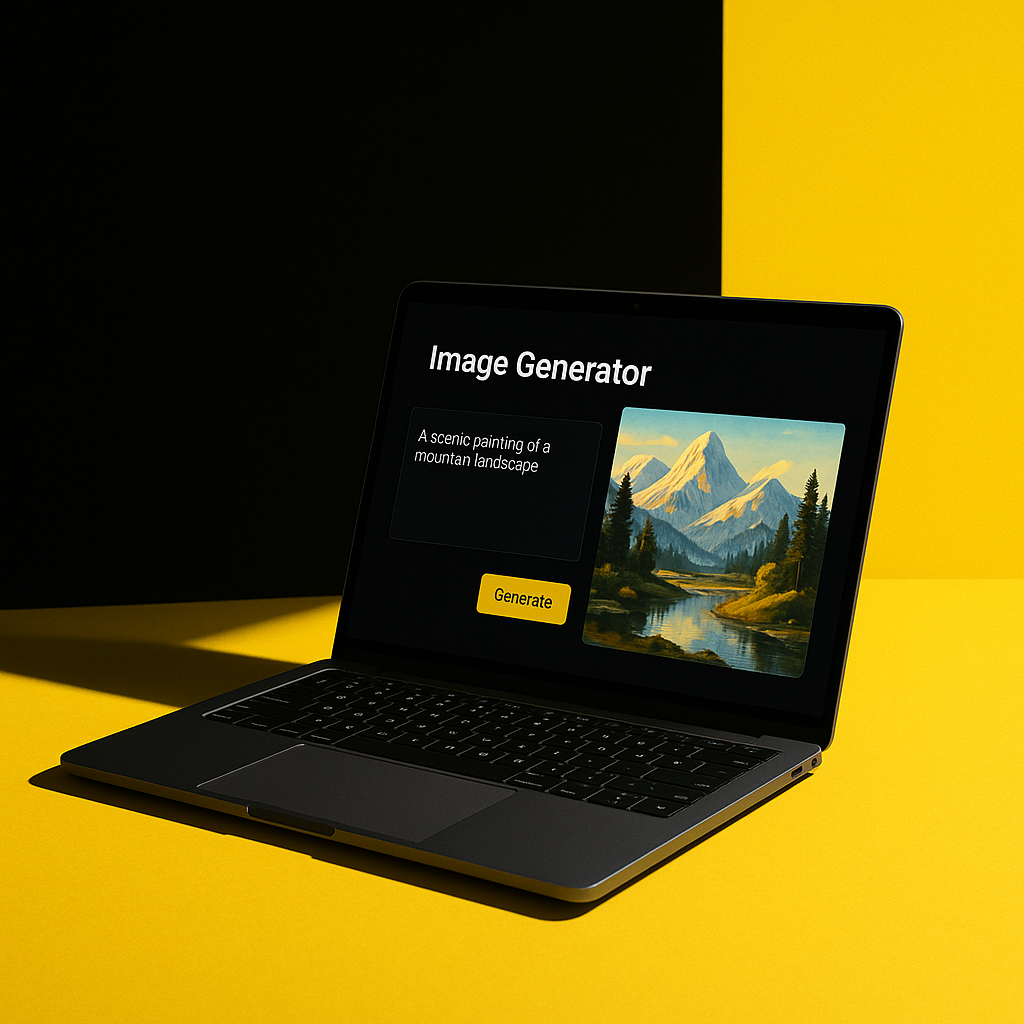
Image Generators
In recent years, image generators have rapidly advanced, becoming a transformative tool in various industries. Businesses and creators are increasingly utilizing artificial intelligence to streamline processes, enhance creativity, and deliver personalized content. A notable case study that exemplifies this trend is the application of image generators in the fashion industry, specifically by a startup named 'StyleGen.' This company has harnessed AI capabilities to revolutionize how clothing designs are created and marketed.
The Challenge: Bridging Design with Market Demand
The fashion industry faces continuous pressure to innovate while maintaining relevance in an ever-changing consumer landscape. Designers often struggle to keep up with rapid trends, resulting in extended lead times and misaligned products that do not resonate with target audiences. StyleGen sought to address this challenge by developing an AI-powered image generator capable of producing clothing designs based on current market data and consumer preferences.
According to its founder, Emily Tran, "Our goal was not just to create pretty images but to marry technology with creativity in a way that reflects real-time consumer desires." The need for such innovation became apparent as traditional design methods often resulted in excess inventory and reduced profitability.
The Technology Behind StyleGen
At the core of StyleGen's operation lies an advanced generative adversarial network (GAN), a type of machine learning model designed to create images from textual descriptions or existing sketches. The GAN consists of two components: a generator that creates new images and a discriminator that evaluates them against authentic designs. Through iterative learning, the generator continuously improves its output until it produces realistic clothing visuals.
StyleGen's algorithm is trained on vast datasets containing millions of images spanning various styles, colors, patterns, and textures. This training enables the AI to understand aesthetic principles while also integrating insights gathered from social media trends, online shopping behavior, and fashion forecasts.
Real-World Application: From Concept to Consumer
To illustrate the impact of StyleGen's technology, consider its collaboration with an emerging streetwear brand named "Urban Vibes." Faced with limited resources yet high expectations from consumers eager for fresh designs, Urban Vibes partnered with StyleGen to streamline its design process.
- Phase 1: Trend Analysis - Using data analytics tools integrated within their platform, StyleGen monitored social media platforms like Instagram and TikTok for trending styles among Gen Z consumers. This analysis identified popular color palettes (neon hues) and specific motifs (graffiti art).
- Phase 2: Design Generation - Based on the trend analysis results, designers inputted keywords into StyleGen’s platform—such as “urban chic,” “vibrant,” or “minimalist.” In seconds, the AI produced over 100 unique clothing concepts ranging from t-shirts to hoodies.
- Phase 3: Market Testing - The generated designs were presented through virtual showrooms where potential customers could interactively provide feedback via polls and preferences before any physical samples were created. This approach drastically reduced time spent on traditional focus groups.
- Phase 4: Production Preparation - Following favorable market testing results—where certain designs received upwards of 80% approval—the clothing items moved swiftly into production phases without unnecessary delays.
This whole process allowed Urban Vibes not only to launch collections faster but also ensured that these collections aligned more closely with what consumers genuinely wanted. Subsequently, following their debut collection powered by StyleGen technology, Urban Vibes reported a remarkable sales increase of 300% within three months compared to previous launches.
The Broader Implications
The successful implementation at Urban Vibes serves as a testament not only for StyleGen but also for the broader fashion industry grappling with fast-paced societal shifts towards sustainability and personalization. As brands increasingly recognize their responsibility towards environmental stewardship amidst rising concerns about overproduction, using image generators can help curb waste by producing only those styles confirmed as desirable through consumer feedback loops.
This transformation has prompted discussions around possible disruptions within traditional design roles. While there may be apprehension around job security among designers fearing they will be replaced by machines capable of producing better designs at rapid speeds; experts argue instead that these tools should act as complements rather than replacements—liberating designers from mundane tasks so they can focus on higher-level creativity and innovation.
The Future Landscape of Fashion Design
As AI technology continues evolving alongside consumer preferences shifting towards seamless e-commerce experiences enriched by personalized recommendations powered by visual search engines; it becomes evident that companies like StyleGen have carved out essential niches within their industries. These advancements promise not only enhanced efficiency but also improved outcomes for consumers who seek unique yet trendy apparel tailored explicitly for them.
This case study underscores how leveraging image generators can redefine creative processes across multiple sectors—encouraging more agility in responding swiftly to market demands while fostering innovative collaborations between technology-driven approaches combined with human artistry. As industry players explore further applications beyond fashion—from gaming graphics creation through advertising content production—the implications remain profound:
- Creating assets becomes less time-consuming as iterations take place almost instantaneously rather than spanning weeks or months.
- A single designer can now oversee multiple projects simultaneously without compromising quality or originality due to enhanced productivity capabilities offered through AI assistance.
- The potential impact stretches far beyond tangible products; it reshapes our understanding altogether about creativity itself; posing questions around authorship rights when designs generate autonomously through algorithms fueled by public data sources.
In conclusion, the rise of image generators marks a significant turning point in several industries' creative landscapes—including fashion—enhancing capabilities while ensuring alignment between offerings delivered within competitive markets driven heavily by consumer demand dynamics. The case study surrounding StyleGen illustrates this shift’s validity while reinforcing hopefulness regarding future innovations awaiting exploration ahead!
Recent Posts

Discover the Latest Timeline of Neural Network Developments in AI Models
June 14, 2026
Expert Insights on Working with Neural Networks: Latest AI Model Trends Unveiled
June 14, 2026
Transforming Visions: How Image Generators Elevated a Brand's Marketing Strategy
June 14, 2026

Maximum Potential
Get the full experience with Pro Plan
INFORMATION