червень 4, 2026
Unfolding the Revolution: Key Milestones in the Rise of Image Generators
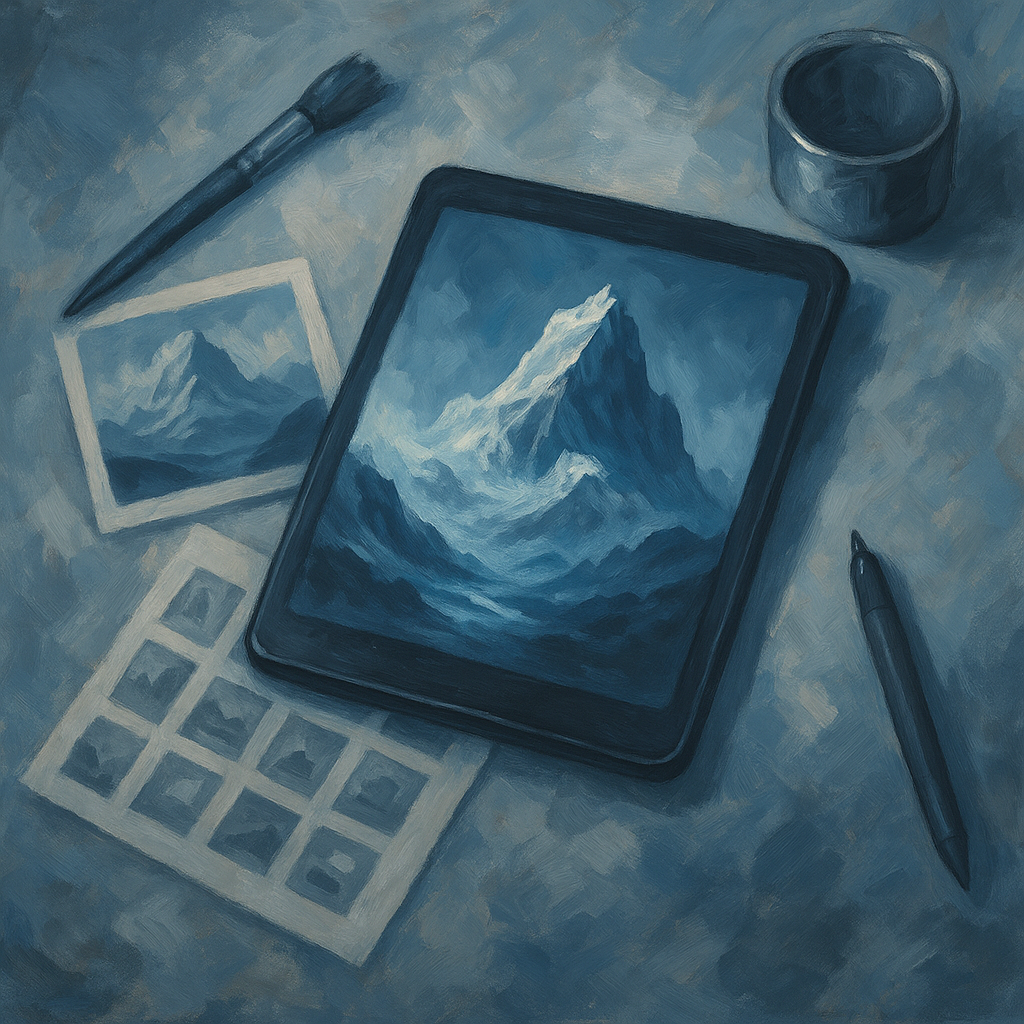
Image Generators
The evolution of image generators has accelerated rapidly in recent years, transforming how art is created and consumed. These digital tools harness artificial intelligence to produce images from text prompts, giving rise to new possibilities in the creative landscape. Below is a timeline of significant developments in the field of image generation technology, highlighting key players and innovations that have shaped its trajectory.
2014-2015: The Dawn of Generative Adversarial Networks (GANs)
The concept of generative adversarial networks, or GANs, emerged in 2014 thanks to the pioneering work of Ian Goodfellow and his colleagues. This groundbreaking framework involved two neural networks—a generator and a discriminator—working against each other. The generator creates images while the discriminator evaluates them for authenticity. This mutual competition led to the development of more realistic synthetic images. By 2015, researchers began applying GANs extensively within various applications, including fashion design and animation.
2016: Progress in Image Synthesis
In 2016, advancements continued with techniques such as Deep Convolutional GANs (DCGAN), which improved image quality significantly. Researchers from Facebook AI Research published results showcasing how these models could create coherent and high-resolution images, marking a step forward in visual fidelity. The artwork generated during this period began gaining traction online, with artists and technologists experimenting with the capabilities of GANs.
2017: Style Transfer Takes Centre Stage
The introduction of neural style transfer brought a new dimension to image generation. This technique enabled users to apply artistic styles—such as those from famous painters—to their photographs or other images seamlessly. By using convolutional neural networks (CNNs), this method effectively separated content from style, allowing for innovative reinterpretations of traditional artworks. Tools like Prisma emerged that widely popularised this concept among casual users.
2020: The Introduction of DALL-E
A watershed moment occurred in January 2021 when OpenAI unveiled DALL-E, an AI model capable of generating unique images from textual descriptions. This marked a significant leap by merging natural language processing with image synthesis. Users were astonished by DALL-E’s ability to produce detailed images based solely on imaginative prompts—from “an armchair shaped like an avocado” to “a cat dressed as a wizard.” The public response highlighted both excitement and concern regarding copyright implications and ethical considerations around AI-generated content.
2021: Advancements with CLIP
In conjunction with DALL-E's introduction was another OpenAI project known as CLIP (Contrastive Language–Image Pretraining). CLIP allowed models to understand text descriptions better by associating them with images across various datasets. Its integration enabled more coherent associations between themes and visuals, leading to improvements in how AI interpreted user inputs for generating corresponding imagery.
2021-2022: Mainstream Adoption
The capabilities demonstrated by DALL-E sparked widespread interest across multiple sectors—from advertising agencies looking for quick visual prototypes to independent artists utilising these tools for inspiration or collaboration purposes. During this period, several startups launched platforms enabling users to experiment with image generation without needing extensive technical knowledge.
- Midjourney: Launched in mid-2022, Midjourney gained popularity for its ability to create stunning art through prompts delivered via Discord channels—making it accessible for interactive community engagement.
- Stable Diffusion: Released late in 2022 by Stability AI, Stable Diffusion became notable for its open-source approach that encouraged developers worldwide to contribute enhancements and share modifications freely.
The rapid proliferation of these platforms ignited discussions around copyright issues as creators navigated ownership rights concerning generated works that often riffed on existing styles or imagery.
2023: New Frontiers
- Aesthetic Filters & Personalisation: Users can manipulate outputs based on personal preferences or stylistic indicators tailored specifically toward niche audiences or individual tastes.
- Integration into Creative Workflows: Companies such as Adobe began integrating AI-driven tools directly into their software ecosystems (e.g., Photoshop), allowing designers instant access to potential concepts without disrupting traditional workflows.
- Ecosystem Building: Collaborations between tech companies aimed at enhancing interoperability among diverse platforms promote creativity across different mediums such as animation or gaming industries—cultivating collaborative opportunities between human artists and AI systems alike!
Toward the end of 2023 many organisations started incorporating ethical frameworks alongside technological advancements; addressing concerns about bias inherent within training datasets used during model creation processes will remain central debates surrounding future iterations in practice fields where integrity matters significantly!
The Future: An Uncertain Yet Promising Landscape
The landscape surrounding image generators continues evolving rapidly; while breakthrough technologies have democratised artistic expression previously reserved only for skilled professionals equipped elaborate training methods—questions linger regarding ownership rights attached creations produced through these tools especially considering potential misuse intended harm such misinformation campaigns augmenting disinformation initiatives playing off fears associated globalization modern-day society face today challenges ahead will undoubtedly shape subsequent developments seen future years upcoming months!
This timeline illustrates just how quickly innovation within artificial intelligence has reshaped creative domains—the possibilities are virtually limitless! As boundaries blur between human artistry digital intervention individuals must grapple responsibly navigating terrains enhanced technologies facilitate inspiring collective imaginations powerfully blended lives together fostering collaboration standing forefront transformations await discovery!
Recent Posts
Expert Opinions Unveiled: Navigating Работа с Нейросетями and AI Models Today
червень 4, 2026
Key Milestones in Работа с Нейросетями: A Journey Through AI Models Innovations
червень 4, 2026

Image Generators Spark Heated Debate: Exploring Ethical Dilemmas and Benefits
червень 4, 2026
Maximum Potential
Отримайте повний досвід із планом Pro
ІНФОРМАЦІЯ