квітень 12, 2026
Unleashing Creativity: How Image Generators are Revolutionising Digital Art
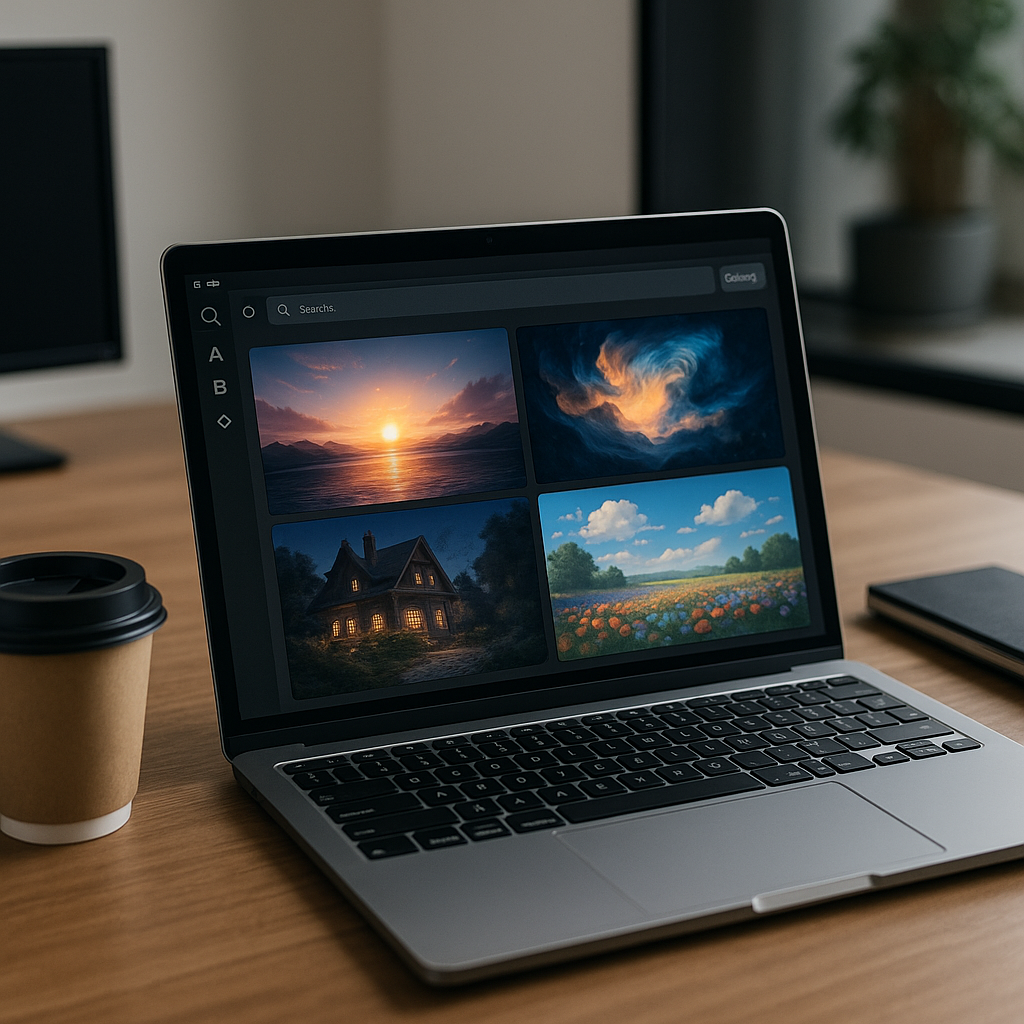
Image Generators
The advent of image generators has revolutionised the way we think about art, design, and content creation. These sophisticated tools harness the power of artificial intelligence (AI) to produce images based on textual descriptions, allowing users to generate visuals that range from realistic portraits to fantastical landscapes, all tailored to their specific needs. As this technology continues to evolve, it is reshaping industries, empowering creators, and sparking debates about the implications of AI in the creative process.
At the heart of image generation lies a technology known as Generative Adversarial Networks (GANs). GANs consist of two neural networks: the generator, which creates images, and the discriminator, which evaluates their authenticity. Through a process of trial and error, these networks learn to produce increasingly sophisticated images until the generator can create visuals that are indistinguishable from real photographs. This innovative approach has been adopted by various platforms and applications, with notable examples including DALL-E, Midjourney, and Stable Diffusion.
One of the most significant aspects of image generators is their accessibility. Traditionally, creating high-quality images required a combination of artistic talent and technical skill, often limiting the ability to produce professional-looking visuals to a select group of individuals. However, with the rise of image generators, anyone with a basic understanding of how to input text can create stunning images in a matter of seconds. This democratization of creativity has opened new avenues for individuals and businesses alike, allowing for rapid prototyping and experimentation in visual storytelling.
For businesses, the implications are profound. Marketing teams can now produce bespoke images for campaigns without the need for extensive graphic design resources. E-commerce platforms can enhance their product listings with high-quality visuals generated on demand. Furthermore, content creators on platforms like Instagram and TikTok can generate eye-catching images that capture the attention of their audiences, all while staying on brand and aligned with their marketing strategies. This shift towards automation in the creative process raises questions about the future of traditional roles in the creative industry, as AI takes over tasks that were once the domain of human artists and designers.
Despite the myriad benefits, the rise of image generators has also sparked a heated debate around copyright and ownership. As these AI systems are trained on vast datasets of existing images, the question of whether the outputs are original or derivative remains contentious. Artists have raised concerns about the potential for their work to be used without permission in the training of these models, leading to calls for clearer regulations and ethical guidelines in the AI space. Several platforms have begun to address these concerns by implementing systems that allow artists to opt out of having their work included in training datasets, but the conversation is far from settled.
Moreover, the quality and authenticity of AI-generated images present both opportunities and challenges. While some images can achieve an astonishing level of realism, others may inadvertently reflect biases present in the training data. This can result in stereotypical or inaccurate depictions of certain groups, raising ethical concerns about representation and inclusion in the digital landscape. Developers are increasingly aware of these issues and are working to mitigate biases through diverse training sets and improved algorithms. However, the responsibility also lies with users to engage critically with the images they create and share.
As the technology develops, image generators are being integrated into creative workflows in innovative ways. For instance, artists are using AI-generated images as a springboard for their own work, blending digital creations with traditional techniques. This hybrid approach not only enhances artistic expression but also encourages collaboration between humans and machines, leading to new forms of art that challenge our understanding of creativity itself. Similarly, educators are exploring the use of these tools in classrooms, offering students the chance to engage with technology while honing their artistic skills.
Looking ahead, the future of image generators is undoubtedly bright. As advancements in AI continue, we can expect even greater enhancements in the quality, variety, and usability of generated images. This will likely lead to the emergence of new applications in fields such as gaming, virtual reality, and film production, where visuals play a crucial role in storytelling. Furthermore, as more people become familiar with these tools, they will likely inspire a new wave of creativity, pushing the boundaries of what is possible in the realm of digital art.
In conclusion, image generators represent a significant leap forward in the intersection of technology and creativity. They offer unprecedented opportunities for individuals and businesses to create visually stunning content with ease. However, as we embrace this new frontier, it is essential to navigate the accompanying challenges thoughtfully. By fostering open conversations about copyright, representation, and ethical use, we can harness the power of image generators while ensuring that the creative industry remains a vibrant and inclusive space for all.
Recent Posts
Head-to-Head: Comparing Top AI Models in Работа с Нейросетями and Their Impact
червень 16, 2026
Debunking Myths: The Realities of Работа с Нейросетями and AI Models Today
червень 16, 2026
Unlocking Creativity: A Simple Guide to Using Image Generators for Beginners
червень 16, 2026
Maximum Potential
Отримайте повний досвід із планом Pro
ІНФОРМАЦІЯ