March 16, 2026
Unleashing Creativity: How Image Generators Are Revolutionizing Digital Art
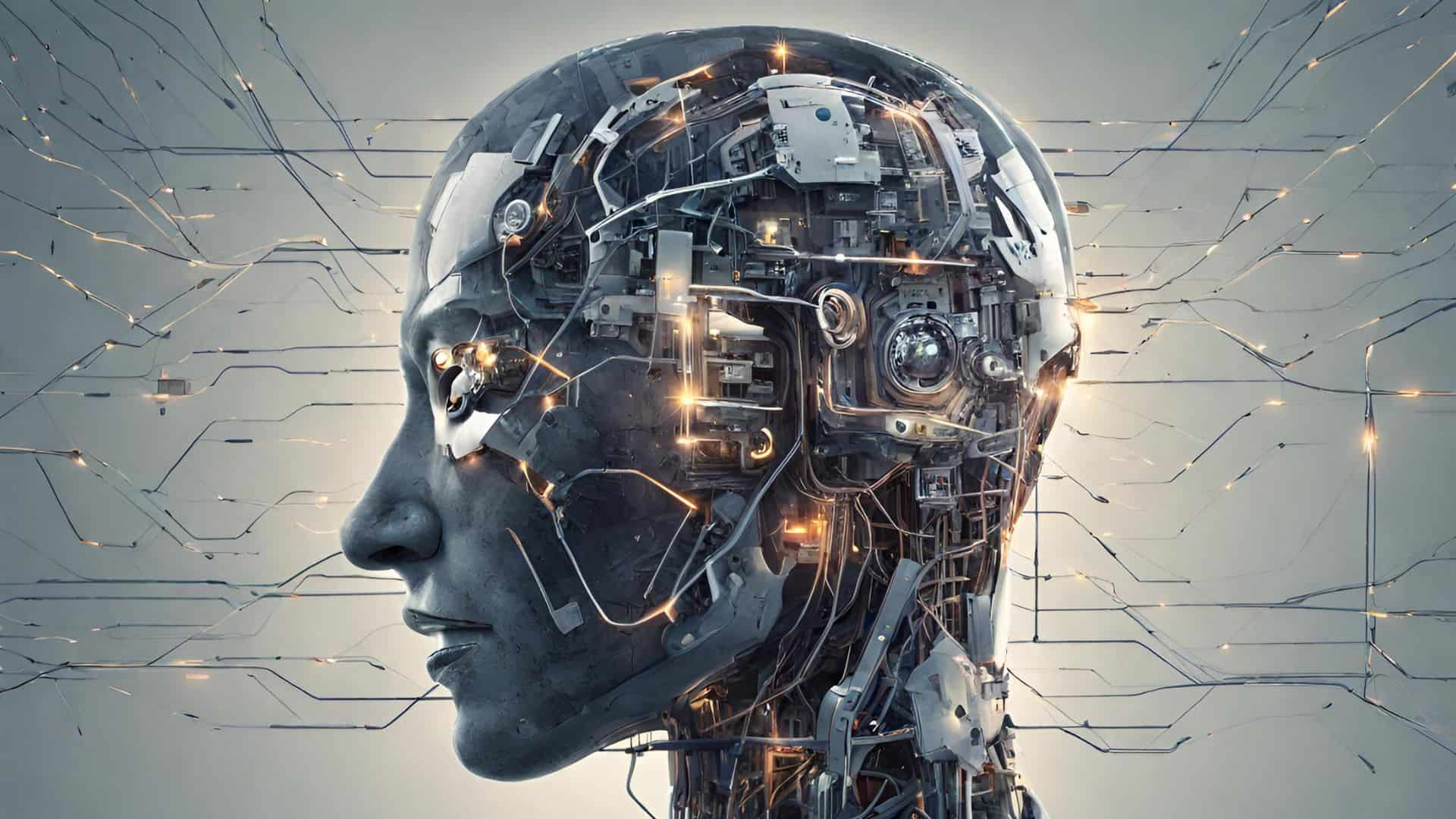
Image Generators
In recent years, image generators have revolutionized the way art, design, and media are created, challenging traditional notions of creativity and authorship. These advanced algorithms, powered by artificial intelligence (AI) and machine learning, can produce stunning visuals based on textual descriptions, allowing users to generate illustrations, photographs, and even complex scenes with just a few clicks. The emergence of these technologies has sparked conversations across various sectors, raising questions about their implications for artists, industries, and society at large.
Image generators, such as OpenAI's DALL-E, Midjourney, and Stable Diffusion, utilize deep learning techniques to analyze vast datasets of images and associated text. By understanding the relationships between words and visual elements, these systems can create entirely new images that match the descriptions provided by users. For instance, one could input a phrase like "a futuristic cityscape at sunset" and receive a series of unique images that visualize this concept in various styles and interpretations.
The accessibility of these tools is one of their most significant impacts. Traditionally, creating high-quality images required a certain level of artistic skill or technical proficiency. Now, anyone with a basic understanding of how to interact with these platforms can produce professional-looking visuals. This democratization of creativity has opened doors for individuals and businesses alike, enabling marketers, content creators, and hobbyists to generate unique visuals without the need for expensive software or extensive training.
However, the rise of image generators has not come without controversy. One of the most pressing issues is the question of copyright and intellectual property. As these AI systems generate images based on existing works, concerns arise about the ownership of the generated content. If an artist's style is mimicked or if their work is used as part of the training dataset without permission, who holds the rights to the resulting images? Legal frameworks are struggling to keep pace with technological advancements, leaving many artists feeling vulnerable and unprotected.
Additionally, the potential for misuse of image generators raises ethical concerns. The ability to create photorealistic images can be leveraged for disinformation, fraud, or other malicious purposes. Deepfakes, which use similar technology to manipulate images and videos, have already demonstrated how easily visual media can be distorted to mislead audiences. As image generators become more sophisticated, the risk of creating misleading or harmful content increases, prompting calls for regulation and ethical guidelines within the industry.
In response to these challenges, some developers and organizations are working to implement safeguards and responsible usage policies. For instance, platforms may require users to agree to terms that prohibit the generation of harmful or misleading content. Additionally, there are discussions about creating watermarking systems that can identify AI-generated images to help mitigate the risk of misuse. Transparency about the sources of training data and the mechanisms behind image generation could also play a crucial role in addressing copyright concerns.
The impact of image generators extends beyond the realm of artistic creation. In industries such as advertising, gaming, and film, these tools are becoming invaluable assets. Marketers can quickly generate tailored visuals for campaigns, game developers can prototype assets more efficiently, and filmmakers can visualize scenes during pre-production. This efficiency not only saves time and resources but also allows for greater experimentation and creativity within these fields.
Furthermore, the educational sector is beginning to explore the potential of image generators as teaching aids. Art instructors can use these tools to demonstrate concepts of composition, color theory, and style. Students can experiment with creating their own visuals, fostering a sense of creativity and innovation. However, educators are also tasked with instilling a sense of responsibility and critical thinking regarding the use of AI-generated content.
Despite the challenges and controversies, the future of image generation technology appears promising. As AI continues to evolve, so too does the potential for more nuanced and sophisticated image creation. Upcoming iterations may allow for even greater control over the creative process, enabling users to adjust not just the content but also the style and mood of the generated images. This could lead to a new era of collaborative creativity, where human input and AI capability work hand in hand to produce outstanding visual art.
Moreover, the integration of image generators into various applications, from social media platforms to design software, is likely to become more seamless. Users may find themselves using these tools as a standard part of their creative workflow, enhancing productivity and enabling new forms of engagement with audiences. As these technologies become more embedded in our daily lives, they will undoubtedly shape our visual culture in profound ways.
In conclusion, image generators represent a fascinating intersection of art, technology, and ethics. While they offer unprecedented opportunities for creativity and efficiency, they also present challenges that society must address collectively. Navigating these waters will require collaboration between developers, artists, policymakers, and educators to ensure that the technology is used responsibly and ethically. As we continue to explore the capabilities of AI in generating images, we stand at the brink of a new frontier in visual media, one that holds the promise of innovation alongside the need for careful stewardship.
Recent Posts
Breakthrough in Neural Networks: How New AI Models Revolutionize Global Tech
June 16, 2026
Head-to-Head: Comparing Neural Network Models and Their Impact on AI Work Today
June 16, 2026
New Breakthrough in Image Generators Promises to Revolutionize Artistic Expressi...
June 16, 2026
Maximum Potential
Get the full experience with Pro Plan
INFORMATION