January 30, 2026
Unleashing Creativity: How Image Generators are Transforming Art and Design
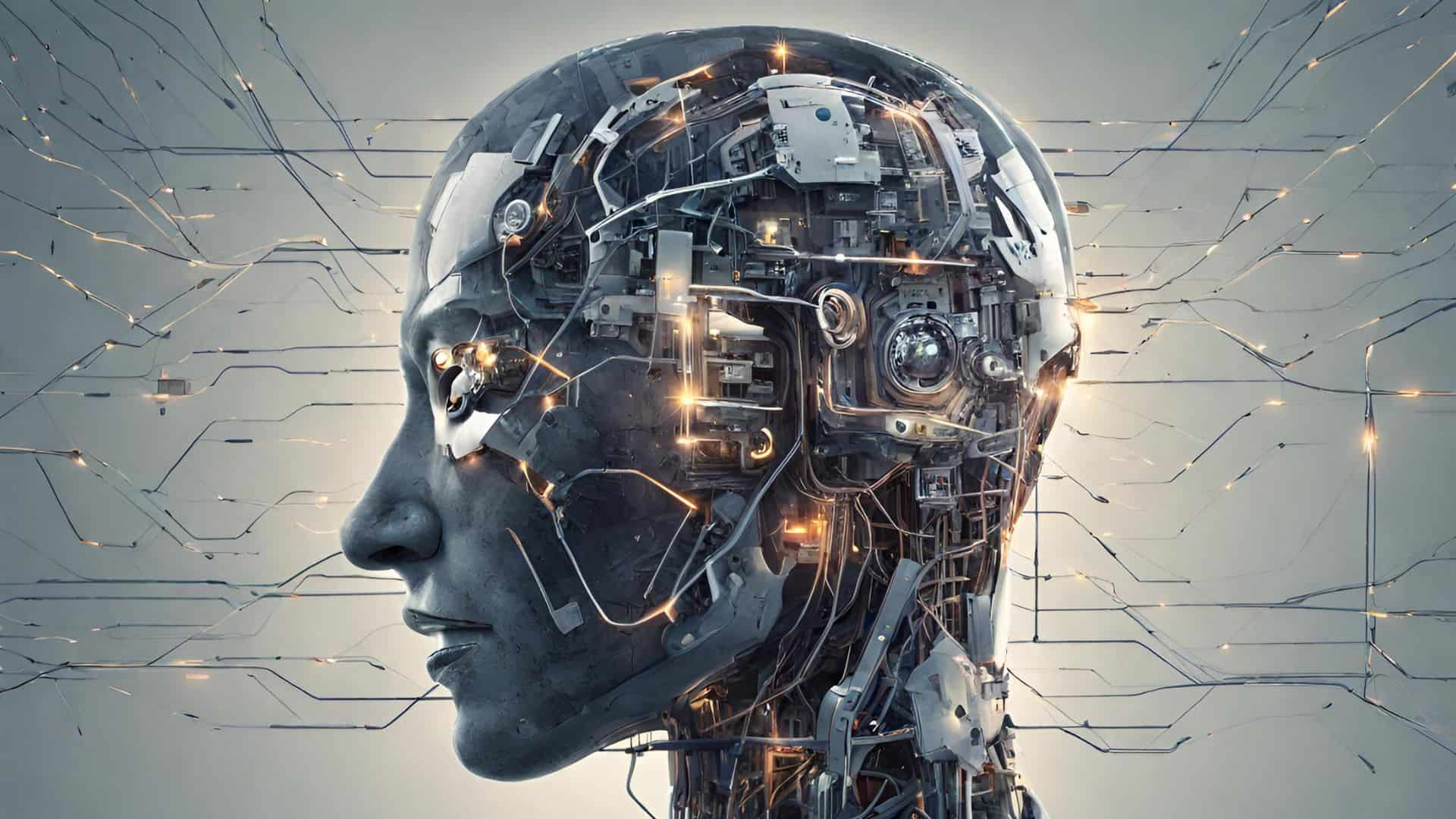
Image Generators
In recent years, the world of digital art has undergone a remarkable transformation, largely driven by advancements in artificial intelligence (AI). Among the most groundbreaking innovations are image generators, AI-powered tools that create unique visual content based on text prompts. These generators have captured the attention of artists, designers, and technology enthusiasts alike, revolutionizing the way we think about creativity and artistic expression.
Image generators work primarily through a method known as Generative Adversarial Networks (GANs). This technology involves two neural networks—the generator and the discriminator—working in tandem. The generator creates images from random noise, while the discriminator assesses these images against real examples, providing feedback to the generator. Over time, this feedback loop helps the generator produce increasingly realistic and coherent images. The process has been enhanced by vast datasets containing millions of images, enabling AI to learn styles, themes, and nuances across different artistic movements.
One of the most widely recognized image generators is OpenAI's DALL-E, which gained fame for its ability to create intricate images from simple text descriptions. Users can input phrases as straightforward as "a cat wearing a space suit" or "a futuristic city skyline," and DALL-E produces imaginative illustrations that align closely with the prompts. The versatility of such tools has sparked new conversations about the nature of creativity itself. Can a machine truly be creative? Or is it simply rehashing existing concepts in novel ways?
The rise of image generators has prompted a wave of excitement in various industries. Graphic designers are finding new ways to enhance their creative process, using these tools as sources of inspiration or as starting points for their artwork. Advertising agencies are leveraging image generators to create unique visuals for campaigns, cutting down on time and costs associated with traditional methods of image creation. In the gaming industry, developers are experimenting with AI-generated assets to populate expansive virtual worlds, leading to richer and more immersive experiences for players.
However, the proliferation of image generators has also raised significant ethical questions. One major concern is the potential for misuse. With the ability to generate hyper-realistic images, there is a growing fear that these tools could be employed to create deepfakes or misleading visuals that could deceive audiences or manipulate public opinion. The implications for misinformation are profound, as the line between reality and fabrication becomes increasingly blurred. As a result, many experts are calling for the development of ethical guidelines and regulatory frameworks to govern the use of AI in creative processes.
Another critical issue is the question of copyright and ownership. If an image is generated by an AI based on a user's prompt, who holds the rights to that image? This dilemma is further complicated by the fact that AI systems often learn from existing works, raising concerns about originality and potential infringement on the rights of human artists. As the legal landscape struggles to keep pace with technological advancements, artists and creators are left navigating a complex web of intellectual property rights.
In response to these challenges, some creators are adopting a collaborative approach, using image generators as tools rather than replacements. This hybrid model allows artists to incorporate AI-generated elements into their work while maintaining their unique style and human touch. By embracing these technologies, artists can push the boundaries of their creativity and explore new frontiers in their artistic journeys. For instance, they may use generated images as backgrounds or textures, adding layers of complexity to their traditional artworks.
Moreover, the accessibility of image generators has democratized artistic creation, allowing individuals without formal training to produce visually stunning pieces. Platforms like Midjourney and Artbreeder have made it easier for anyone with an internet connection to experiment with digital art. This surge in accessibility has led to a proliferation of creativity, as diverse voices and perspectives emerge in the digital art space. The ability to create art without the constraints of traditional mediums can empower people from various backgrounds to express themselves and contribute to the cultural conversation.
As image generators continue to evolve, so too do the user interfaces and experiences associated with them. Recent advancements have focused on improving the user experience, making it easier for non-technical individuals to engage with these tools. Enhanced features such as inpainting, where users can modify specific areas of an image, have opened up new avenues for creative expression. The integration of user-friendly interfaces allows individuals to manipulate and refine their generated images, fostering a sense of ownership and personal connection to the artwork.
Looking forward, the future of image generators seems bright but complex. As technology evolves, we can expect further advancements in the realism and creativity of AI-generated art. Researchers are exploring ways to make AI more intuitive, allowing it to understand context and emotional nuance better. Additionally, the dialogue around ethical implications will likely intensify, leading to the establishment of clearer guidelines for the responsible use of these technologies.
In conclusion, image generators represent a significant leap forward in the intersection of technology and creativity. They have the potential to revolutionize artistic expression, democratize access to art creation, and inspire new forms of collaboration. However, with this potential comes a responsibility to address ethical concerns and navigate the complexities of ownership and authenticity. As we continue to explore the capabilities of AI in the realm of art, it is crucial to strike a balance between embracing innovation and safeguarding the integrity of human creativity. The journey ahead is sure to be fascinating, as image generators become an integral part of our creative landscape.
Recent Posts
Breakthrough in Neural Networks: How New AI Models Revolutionize Global Tech
June 16, 2026
Head-to-Head: Comparing Neural Network Models and Their Impact on AI Work Today
June 16, 2026
New Breakthrough in Image Generators Promises to Revolutionize Artistic Expressi...
June 16, 2026
Maximum Potential
Get the full experience with Pro Plan
INFORMATION