січень 29, 2026
Unleashing Creativity: How Image Generators Are Transforming Digital Art in 2023
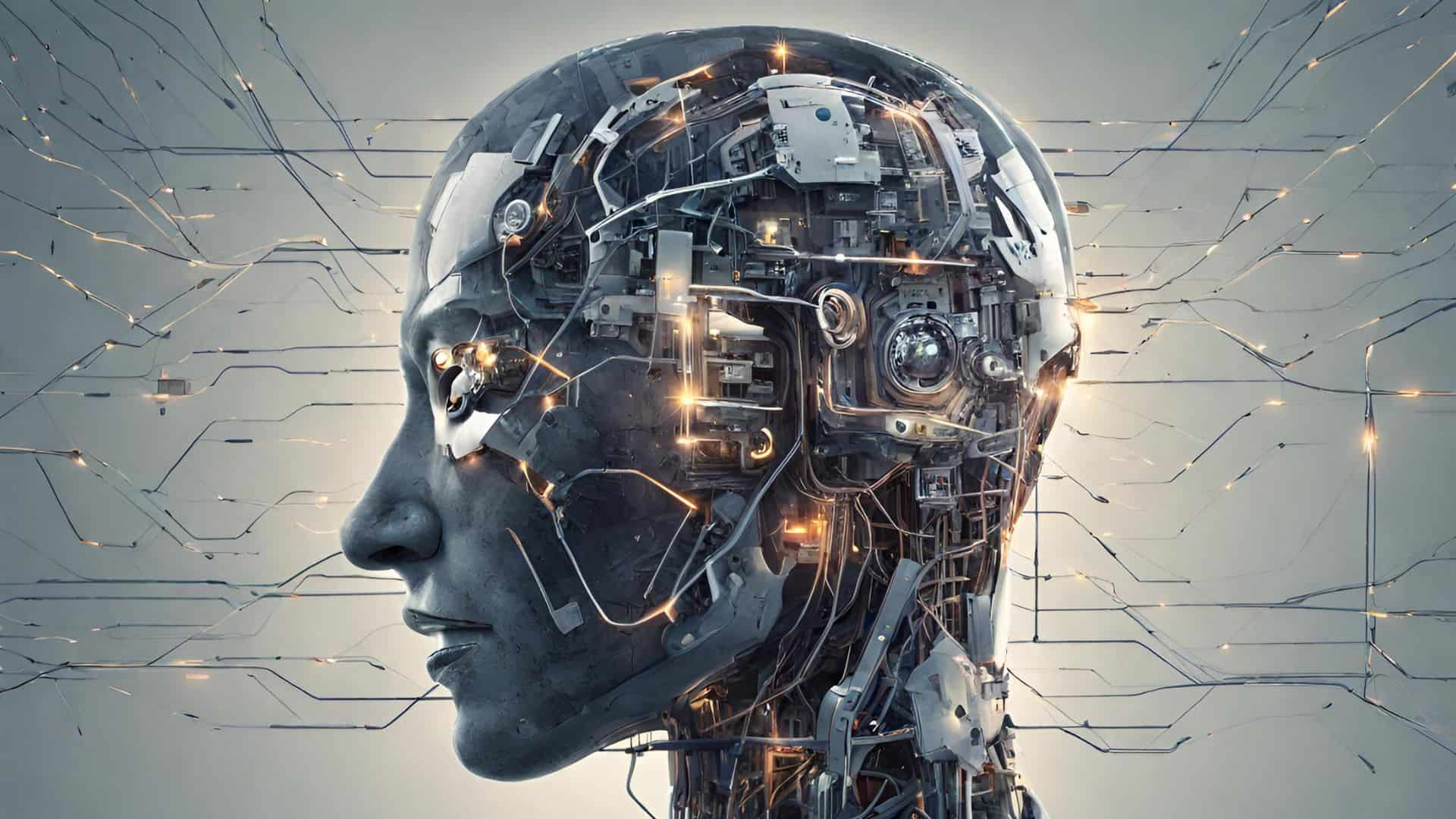
Image Generators
In recent years, the landscape of digital creativity has been dramatically transformed by the advent of image generators. These sophisticated tools, powered by artificial intelligence (AI), have gained traction among artists, designers, and content creators, providing them with the ability to produce stunning visuals with unprecedented speed and ease. While traditional methods of image creation often demand extensive training and experience, image generators have democratized the creative process, allowing anyone with an idea to bring their vision to life.
At the heart of these image generators lies complex algorithms, often based on deep learning models like Generative Adversarial Networks (GANs). These systems are designed to learn from vast datasets, enabling them to generate new, high-quality images that mimic the styles and features of the training data. For example, an image generator trained on thousands of paintings can create original artworks that reflect similar techniques and aesthetics. This capability has not only sparked excitement within the creative community but has also raised important questions about authorship, originality, and the very nature of creativity.
The most prominent image generators currently available include DALL-E, Midjourney, and Stable Diffusion, each offering unique features and approaches to image creation. DALL-E, developed by OpenAI, allows users to generate images from textual descriptions, giving rise to a new form of digital art that blends language with visuals. Midjourney, on the other hand, has emerged as a favourite among designers and artists for its ability to create highly stylised images that often appear dreamlike and surreal. Stable Diffusion, celebrated for its accessibility, has been embraced by hobbyists and professionals alike, facilitating a community-driven approach to image generation.
The applications of image generators are vast and varied. In the realm of marketing and advertising, brands are leveraging these tools to create eye-catching visuals that capture consumer attention. For instance, companies can quickly generate multiple versions of a campaign image to test which resonates best with their audience. In the field of entertainment, filmmakers and game developers are utilising these technologies to visualise concepts, characters, and settings, expediting the creative process and enhancing storytelling.
Moreover, image generators have found a place in the world of social media, where users are eager to create distinctive content that stands out in a crowded digital landscape. Influencers and content creators are increasingly harnessing the power of these tools to produce unique visuals that reflect their personal brand and engage their followers. This trend has prompted a wave of tutorials and online courses, as more individuals seek to master the art of image generation.
However, the rise of image generators is not without controversy. As these tools become more sophisticated, concerns about copyright and intellectual property have come to the forefront. The question of who owns an image created by an AI generator is a complex one. Artists worry that their styles and techniques could be replicated without consent, leading to potential infringement. Legal frameworks around copyright are struggling to keep pace with technological advancements, and debates continue regarding the ethical implications of using AI-generated art.
Another significant issue is the potential for misuse. Image generators can create hyper-realistic images that can be used to spread misinformation or create misleading content. Deepfake technology, which uses similar principles, has already demonstrated how easily visual media can be manipulated. As a result, experts are calling for the development of guidelines and regulations to ensure that these powerful tools are used responsibly and ethically.
Despite these challenges, the future of image generation appears bright. As technology continues to evolve, we can expect improvements in the quality and capabilities of these systems. Newer models are being developed that not only generate images but also allow for greater customisation and control, enabling users to fine-tune the output to suit their specific needs. This evolution will likely lead to even broader applications across various industries, from fashion to architecture.
Moreover, the integration of image generators with other AI technologies, such as natural language processing and virtual reality, presents exciting possibilities. Imagine a virtual environment where users can describe a scene in words, and an AI generates a fully immersive experience in real-time. This convergence of technologies could redefine how we interact with digital content, pushing the boundaries of creativity and innovation.
As image generators continue to permeate various sectors, education will also play a crucial role in shaping the next generation of creators. Schools and universities are beginning to incorporate AI and image generation into their curricula, equipping students with the skills needed to navigate this new creative landscape. By fostering a deeper understanding of these tools, educators can empower students to use them responsibly and creatively, ensuring that the art of image-making evolves alongside technological advancements.
In conclusion, image generators represent a significant shift in the way we approach digital art and creativity. With their ability to produce high-quality visuals quickly and efficiently, they are revolutionising industries and enabling individuals to express their creativity in unprecedented ways. While challenges around copyright and ethical use remain, the potential for innovation is vast. As we continue to explore the capabilities of AI in image generation, it is crucial to strike a balance between harnessing this technology for creativity and ensuring that it is used responsibly. The future of image generation is not just about what we can create, but also about how we choose to engage with these powerful tools in a rapidly changing digital landscape.
Recent Posts
Unlocking Creativity: How Image Generators are Revolutionising Digital Art in 20...
січень 27, 2026
Transform Your Creativity: The Rise of Image Generators in Digital Artistry
січень 28, 2026
Unlocking Creativity: How Image Generators are Transforming Digital Art in 2023
січень 30, 2026
Maximum Potential
Отримайте повний досвід із планом Pro
ІНФОРМАЦІЯ