січень 27, 2026
Unlocking Creativity: How Image Generators are Revolutionising Digital Art in 2023
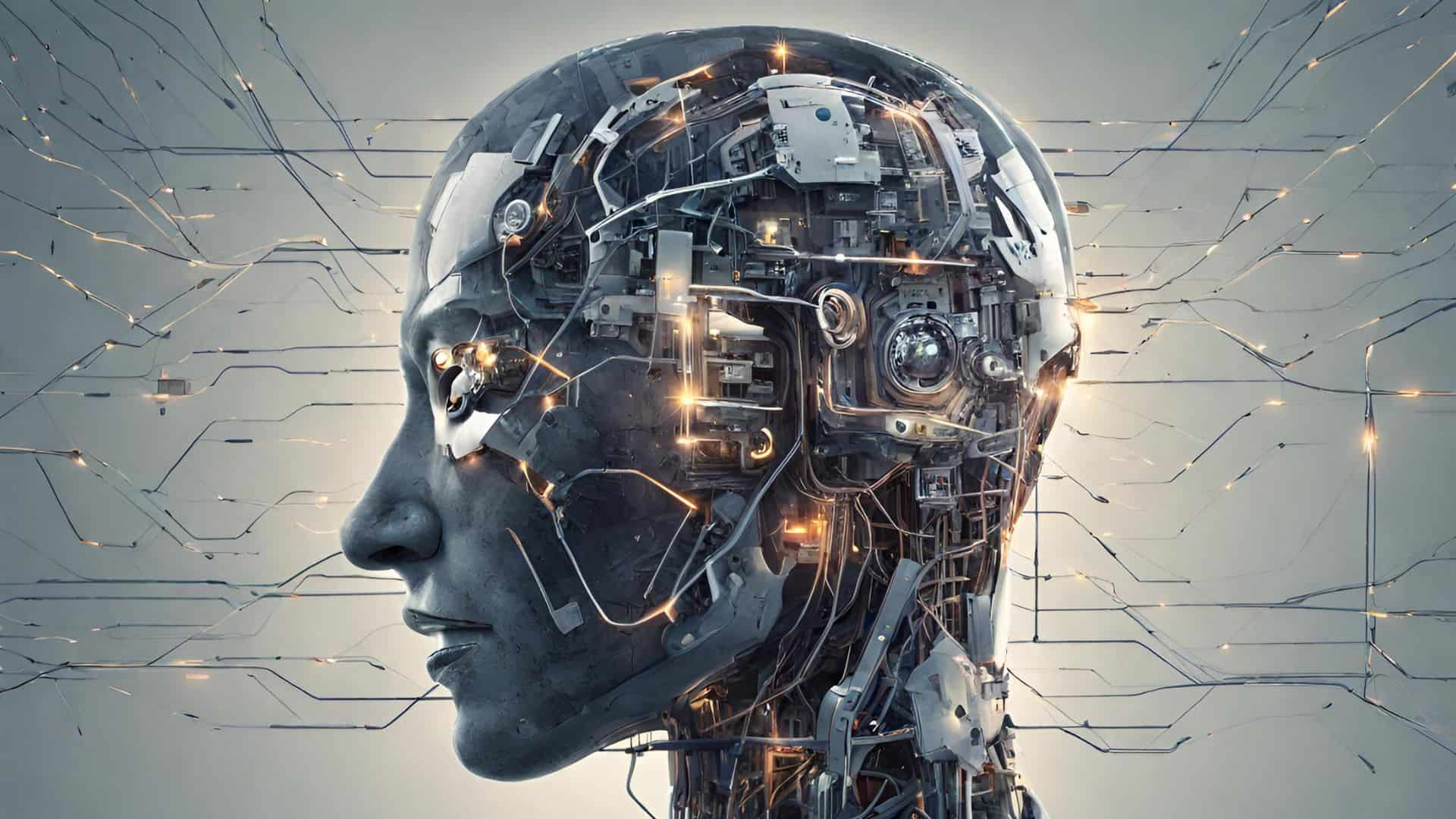
Image Generators
In recent years, the rise of image generators has transformed the landscape of digital creativity, enabling individuals and businesses to produce visually stunning content in a matter of moments. From art and marketing to gaming and education, these advanced tools are reshaping how we think about visual expression, allowing for unprecedented levels of creativity and accessibility.
At the core of this revolution are sophisticated algorithms powered by artificial intelligence (AI), specifically through a branch of machine learning known as generative adversarial networks (GANs). These networks consist of two neural networks—the generator and the discriminator—that work in tandem to create images that are strikingly realistic. The generator creates images from random noise, while the discriminator evaluates them against real images, providing feedback that helps the generator improve over time. This iterative process results in images that can often be indistinguishable from those created by human artists.
The surge in popularity of image generators can be attributed to several key factors. Firstly, the accessibility of these tools has dramatically increased. Platforms such as DALL-E, Midjourney, and Stable Diffusion have made it easier for users without any artistic training to generate high-quality images simply by entering text prompts. This democratization of creativity has allowed individuals and small businesses to harness the power of professional-level graphics without the need for hefty budgets or extensive design skills.
Moreover, the applications of image generators are vast. In the realm of marketing, businesses are using AI-generated images to create eye-catching advertisements and social media content, helping them stand out in a crowded digital landscape. For instance, a small clothing brand can generate lifestyle images featuring their merchandise without investing in elaborate photoshoots. This not only saves time and resources but also allows for rapid experimentation with different marketing visuals.
In the field of gaming, image generators are being employed to create immersive environments and characters, enhancing the overall player experience. Game developers can use these tools to quickly prototype assets, allowing for greater flexibility and creativity during the development process. The result is a more dynamic gaming experience, as developers can iterate on visual elements in real time, responding to player feedback and trends.
Furthermore, the education sector is also beginning to explore the potential of image generators. Educators are harnessing these technologies to create engaging visual materials for their students, aiding in the explanation of complex concepts through illustrations tailored to their curriculum. This can be particularly beneficial in subjects like science and history, where visual aids can significantly enhance understanding and retention of information.
However, the rise of image generators has not been without controversy. One significant concern revolves around copyright and intellectual property issues. As these tools become more capable of producing images that closely resemble the works of human artists, questions arise regarding ownership and originality. Who owns the rights to an image generated by AI? Is it the user who inputted the prompt, the developers of the AI, or does the image exist in a legal grey area? These questions have sparked much debate within the creative community and may necessitate new legal frameworks to protect artists’ rights in the age of AI.
Another critical issue is the potential for misuse. Image generators can produce highly convincing fake images, leading to ethical considerations about misinformation and deepfakes. The ability to create realistic images of events that never occurred poses significant challenges for media integrity and public trust. As a result, there is a growing call for transparency in the use of AI-generated content, with advocates urging for clear labelling to distinguish between human-created and AI-generated images.
Moreover, the environmental impact of training these extensive AI models cannot be overlooked. The computational power required to train such systems consumes vast amounts of energy, raising concerns about the carbon footprint associated with their development. As the demand for more sophisticated image generators grows, so too does the need for sustainable practices within the tech industry to mitigate their environmental impact.
Despite these challenges, the future of image generators appears bright. Advances in AI technology continue to push the boundaries of what is possible, with ongoing research focused on improving the quality and diversity of generated images. Innovations such as style transfer, which allows users to apply the visual style of one image to another, are expanding the creative possibilities even further.
As we move forward, it is essential for creators, technologists, and policymakers to engage in a dialogue about the implications of these technologies. Striking a balance between fostering innovation and addressing ethical concerns will be crucial in shaping a future where image generators can be used responsibly and creatively. The potential for these tools to enhance artistic expression and streamline content creation is immense, but it must be accompanied by a commitment to ethical standards and sustainability.
In conclusion, image generators are not merely technological novelties; they represent a significant shift in how we create and consume visual content. Their rise has empowered individuals and businesses alike, fostering a new era of creativity while simultaneously presenting challenges that need to be addressed. As society navigates this rapidly evolving landscape, the possibilities offered by AI-generated imagery will undoubtedly continue to inspire and provoke thought across various fields, paving the way for a future where technology and creativity coexist harmoniously.
Recent Posts
Transform Your Creativity: The Rise of Image Generators in Digital Artistry
січень 28, 2026
Unleashing Creativity: How Image Generators Are Transforming Digital Art in 2023
січень 29, 2026
Unlocking Creativity: How Image Generators are Transforming Digital Art in 2023
січень 30, 2026
Maximum Potential
Отримайте повний досвід із планом Pro
ІНФОРМАЦІЯ