травень 8, 2026
Unleashing Creativity: How Image Generators Are Transforming Digital Art in 2023
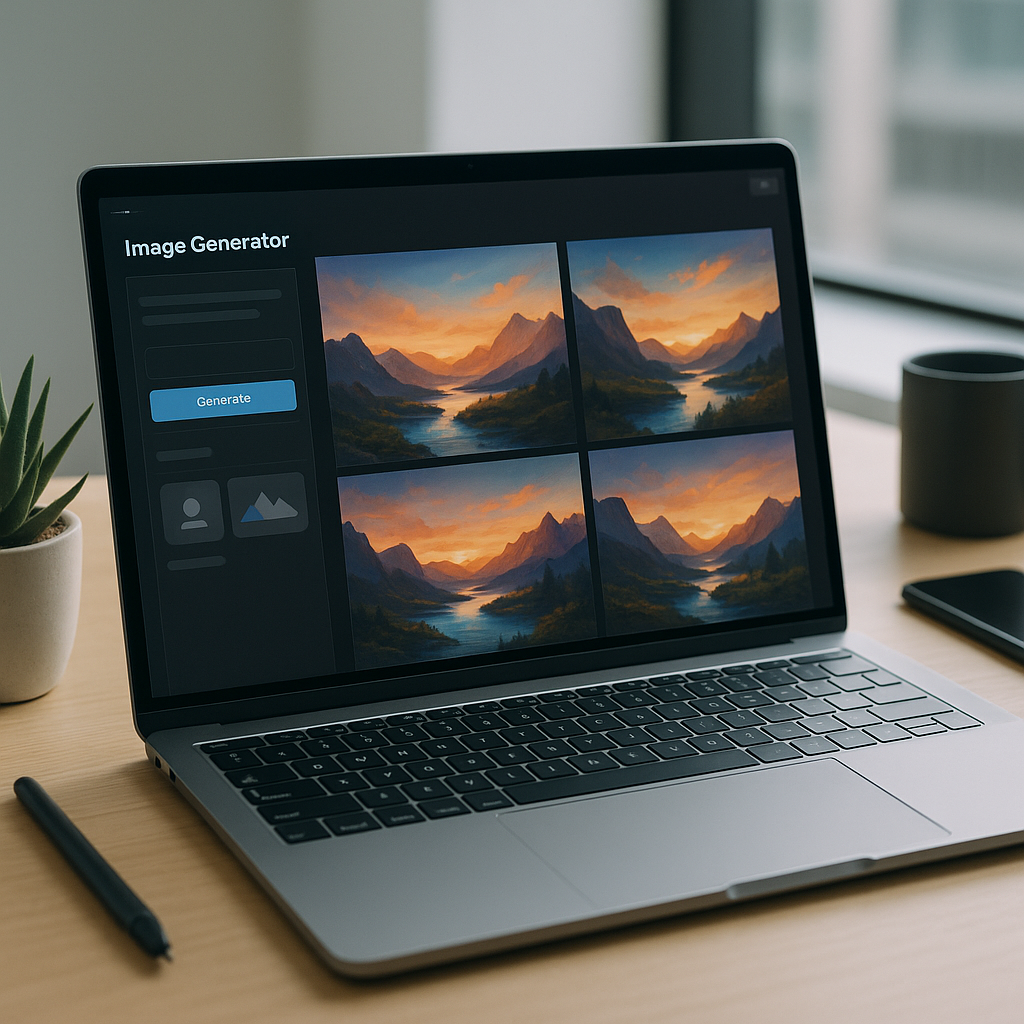
Image Generators
In recent years, image generators have captured the imagination of both the tech community and the general public, ushering in a new era of creativity and artistic expression. These sophisticated tools, powered by artificial intelligence (AI) and machine learning, allow users to create stunning images from simple text prompts. As these technologies continue to evolve, they are reshaping industries ranging from advertising to gaming, while also raising significant ethical and creative questions.
At the heart of the image generation phenomenon are algorithms that learn from vast datasets of images and their corresponding descriptions. These algorithms, often based on Generative Adversarial Networks (GANs) or diffusion models, are designed to generate visually coherent and contextually relevant images. By inputting a few keywords or phrases, users can craft unique visuals that may range from photorealistic portraits to fantastical landscapes, all tailored to their specifications.
Prominent examples of these image generators include OpenAI's DALL-E, Midjourney, and Stability AI's Stable Diffusion. Each platform offers its own unique features and capabilities, attracting artists, designers, and casual users alike. DALL-E, for instance, has gained notoriety for its ability to create images that blend disparate concepts in imaginative ways, producing results that often feel like a whimsical dream. Midjourney, available via Discord, has developed a strong community of users who share their creations, pushing the boundaries of what is achievable with AI-generated art.
The impact of image generators extends beyond mere novelty; they are becoming essential tools in various fields. In advertising, companies are utilising these technologies to produce eye-catching visuals that capture audience attention without the need for costly photoshoots. Graphic designers are finding that image generators can serve as a valuable source of inspiration, offering new ideas or elements that can be integrated into larger projects. Additionally, the gaming industry is leveraging AI-generated art to create immersive environments and characters, reducing development time while enhancing creativity.
However, the rise of image generators is not without its controversies. One of the most pressing concerns revolves around copyright and ownership. As these tools learn from existing artworks, they often produce images that bear a striking resemblance to the work of human artists. This raises questions about the legality of using AI-generated images in commercial settings and the potential for infringing on the rights of original creators. Copyright laws, which have not yet fully adapted to the digital age, struggle to address the complexities introduced by AI.
Moreover, the potential for misuse is significant. The ease with which anyone can create realistic images can lead to the proliferation of misinformation and deepfakes. In a world where visual evidence is often taken at face value, the ability to generate convincing images with little effort poses a challenge for information integrity. As a result, experts are calling for clearer guidelines and regulations to govern the use of AI-generated content, ensuring that it is used ethically and responsibly.
Another critical aspect of image generators is their impact on the creative process. For many artists, the advent of AI tools can be both exciting and intimidating. Some embrace these technologies as collaborators, using them to enhance their workflows and explore new creative avenues. Others, however, express concern that reliance on AI may dilute the essence of human creativity. The debate continues as artists navigate the balance between utilising AI as a tool and maintaining their unique artistic voices.
Education and awareness are essential as the landscape of image generation evolves. Initiatives aimed at teaching users about the ethical implications of AI art are emerging, with a focus on fostering a sense of responsibility among creators. Workshops, online courses, and community forums are beginning to address these themes, encouraging users to think critically about the images they generate and share.
As technology continues to advance, the future of image generators looks promising yet complex. Innovations in AI are likely to yield even more sophisticated tools, enabling users to create images with unprecedented detail and depth. As these developments unfold, the conversation surrounding copyright, ethics, and the role of creativity in the digital age will undoubtedly grow more nuanced.
In conclusion, image generators represent a significant leap forward in the intersection of technology and creativity. They open up new possibilities for artistic expression and commercial application, while also prompting essential discussions about ethics and ownership. As we embrace these advancements, it is crucial to remain vigilant, fostering a culture of responsible use that celebrates innovation while protecting the rights of creators. The future of image generation is bright, but it is one that must be navigated with care and consideration.
Recent Posts
Head-to-Head: Comparing Top AI Models in Работа с Нейросетями and Their Impact
червень 16, 2026
Debunking Myths: The Realities of Работа с Нейросетями and AI Models Today
червень 16, 2026
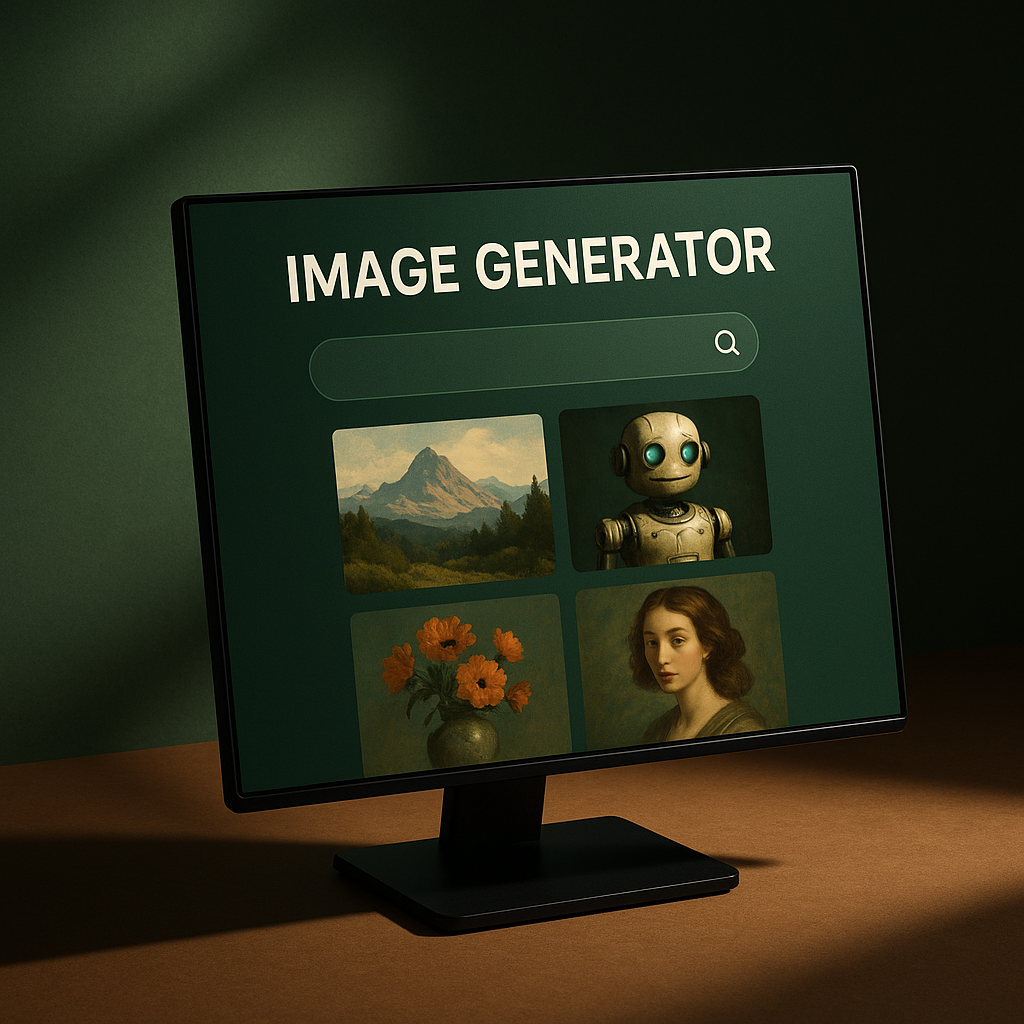
Unlocking Creativity: A Simple Guide to Using Image Generators for Beginners
червень 16, 2026
Maximum Potential
Отримайте повний досвід із планом Pro
ІНФОРМАЦІЯ