травень 11, 2026
Unleashing Creativity: How Image Generators are Transforming Digital Art in 2023
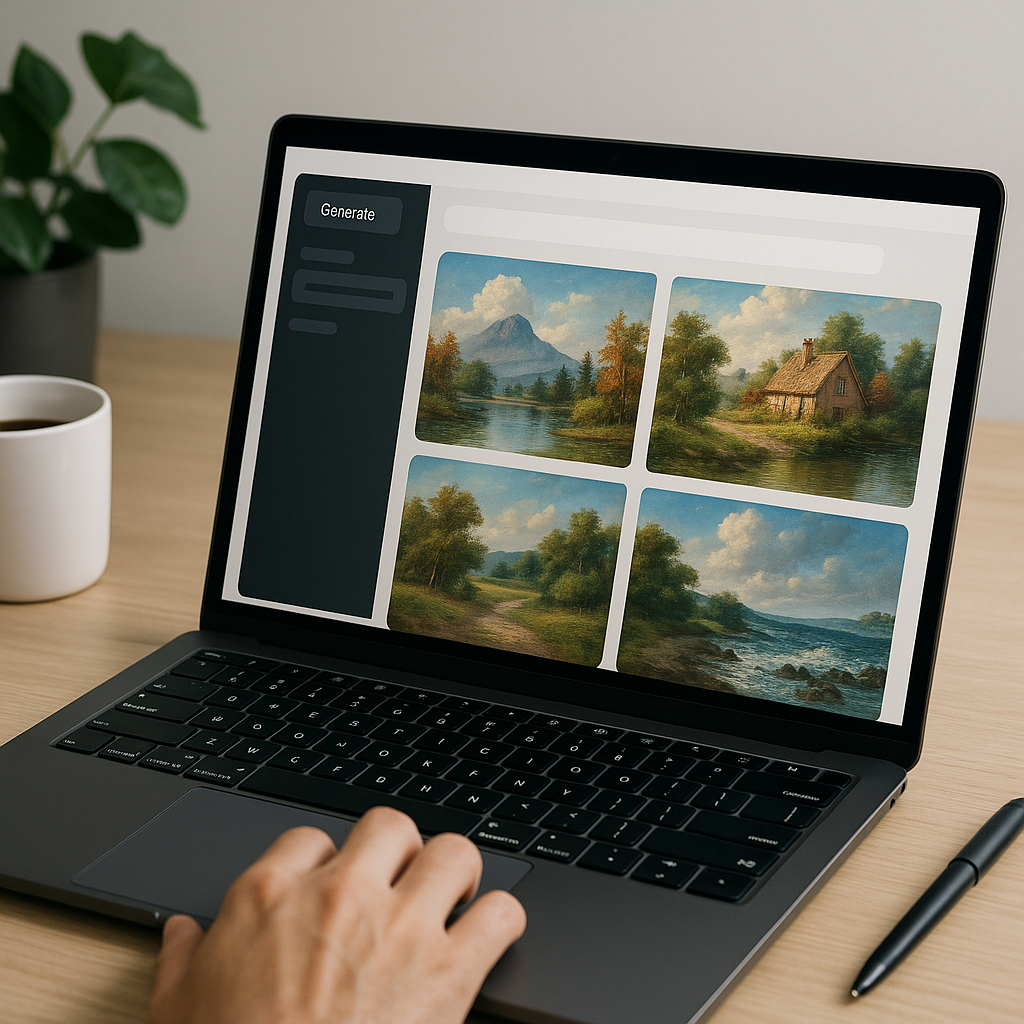
Image Generators
In recent years, image generators have surged in popularity, transforming the landscape of digital art, design, and content creation. These sophisticated tools, powered by artificial intelligence (AI), are capable of producing high-quality images from textual descriptions, enabling users to create visual content with remarkable ease and speed. As technology continues to evolve, the implications of these tools are both profound and multifaceted, influencing various industries and artistic communities.
At the heart of these image generators is a technology known as Generative Adversarial Networks (GANs). GANs consist of two neural networks — a generator and a discriminator — that work in tandem to create images. The generator produces images based on input data, while the discriminator evaluates their authenticity. This iterative process allows the generator to improve over time, ultimately producing images that can be indistinguishable from those created by human artists. Other models, such as DALL-E and Midjourney, leverage vast datasets and advanced algorithms to enable users to create unique artwork simply by entering descriptive prompts.
The accessibility of these tools has sparked a revolution in creative expression. Artists, designers, and hobbyists alike are now able to generate stunning visuals without requiring extensive technical skills or artistic training. This democratisation of creativity has led to an explosion of diverse content, as users experiment with different styles, themes, and ideas. For instance, a user can input a phrase like "a serene mountain landscape at sunset" and receive a variety of interpretations, each with its unique flair and aesthetic.
Moreover, these image generators are not just limited to artistic outputs; they have practical applications in fields such as marketing, advertising, and game development. Businesses are increasingly utilising these tools to create eye-catching visuals for their campaigns, saving both time and resources. With the ability to generate multiple variations of an image in minutes, marketers can rapidly test different concepts and find the most effective visuals to engage their target audience.
In the realm of game development, image generators are being used to create assets such as characters, environments, and textures, streamlining the design process and allowing developers to focus on gameplay mechanics. This innovation not only accelerates production timelines but also enhances creativity, as developers can quickly experiment with various visual styles without being constrained by traditional artistic methods.
However, the rise of image generators has not been without controversy. One of the primary concerns revolves around copyright and intellectual property rights. As these tools generate images based on existing data, questions arise regarding the ownership of the final product. If an AI-generated image closely resembles a piece of art created by a human artist, who holds the rights to that image? The ongoing debates surrounding copyright law and AI-generated content highlight the need for updated regulations that can address these new challenges.
Additionally, the potential for misuse of these technologies raises ethical concerns. Image generators can create hyper-realistic images that may be used to manipulate information or spread misinformation. For example, deepfake technology, which employs similar principles, has been linked to the creation of misleading videos that can deceive viewers. As image generation becomes more advanced, the line between reality and fabrication continues to blur, prompting discussions about the responsibility of developers and users in ensuring ethical use of AI-generated content.
Despite these challenges, the future of image generators appears promising. Researchers and developers are continuously refining these models, improving their capabilities and expanding their applications. Emerging trends include the integration of image generators with other AI technologies, such as natural language processing and virtual reality, creating immersive experiences that blend visual artistry with interactive storytelling.
Furthermore, as the technology matures, we may see the emergence of more personalised image generators that can learn individual user preferences, producing tailored content that resonates with specific audiences. This level of customisation could revolutionise how brands communicate visually, fostering deeper connections with consumers.
As we navigate this rapidly changing landscape, it is essential for both creators and consumers to engage in ongoing discussions about the implications of image generators. While these tools offer unprecedented opportunities for creativity and innovation, they also necessitate a thoughtful examination of ethical considerations and the evolution of intellectual property rights. By fostering a collaborative dialogue among artists, technologists, and policymakers, we can ensure that the benefits of image generators are harnessed responsibly and inclusively.
In conclusion, image generators represent a significant leap forward in the intersection of art and technology. They empower individuals to explore their creativity, streamline processes in various industries, and challenge our perceptions of authorship and authenticity. As we continue to embrace this evolving technology, it is crucial to balance innovation with ethical considerations to pave the way for a future where creativity knows no bounds.
Recent Posts
Head-to-Head: Comparing Top AI Models in Работа с Нейросетями and Their Impact
червень 16, 2026
Debunking Myths: The Realities of Работа с Нейросетями and AI Models Today
червень 16, 2026
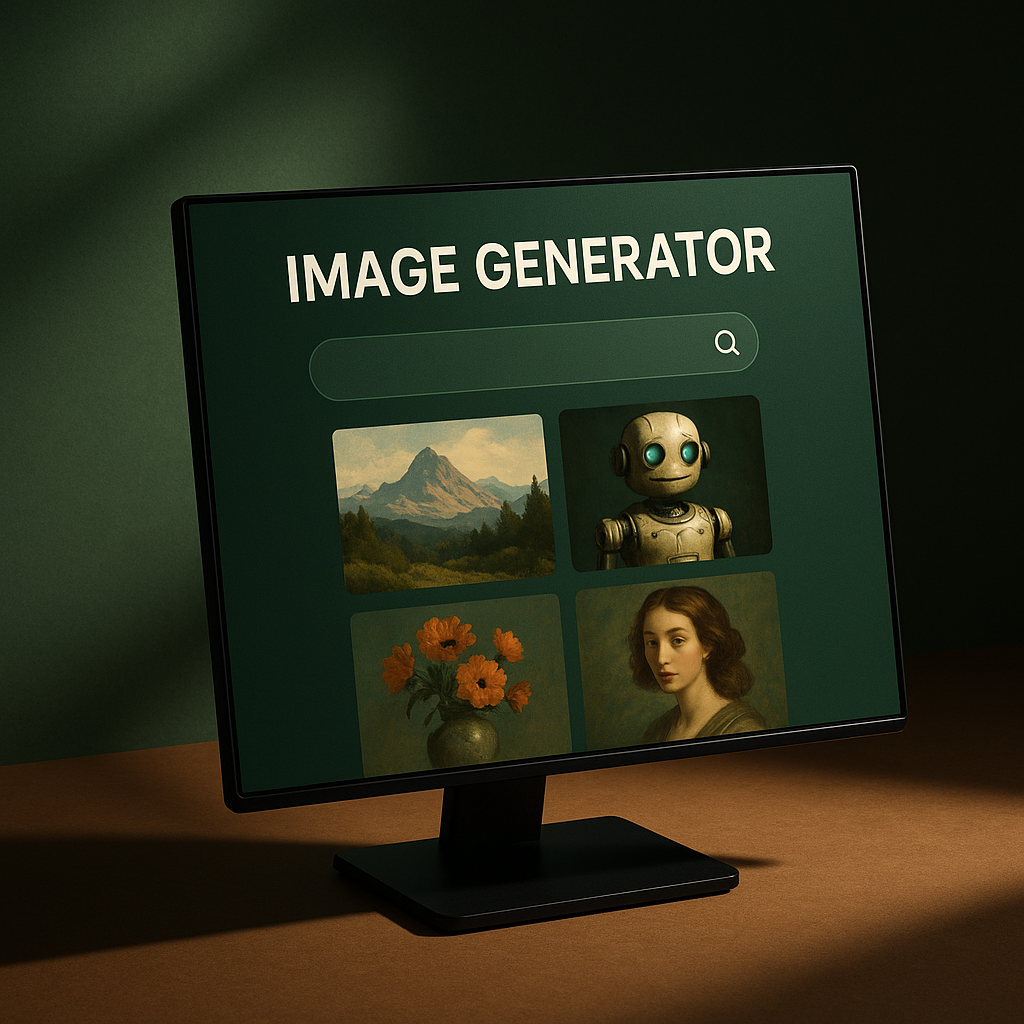
Unlocking Creativity: A Simple Guide to Using Image Generators for Beginners
червень 16, 2026
Maximum Potential
Отримайте повний досвід із планом Pro
ІНФОРМАЦІЯ