березень 31, 2026
Unleashing Creativity: How Image Generators Are Transforming Digital Art in 2023
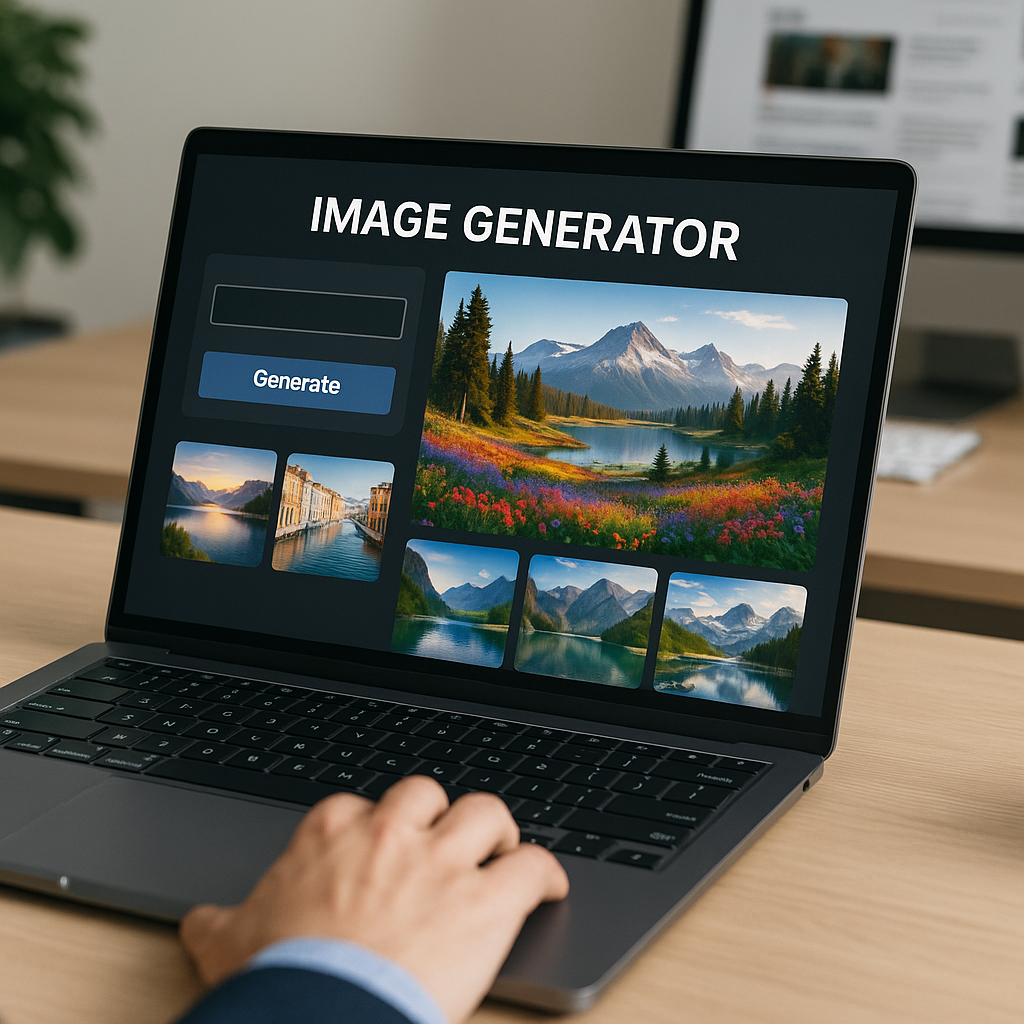
Image Generators
In recent years, image generators have emerged as a transformative technology, reshaping the landscape of digital art, design, and content creation. These systems, powered by artificial intelligence (AI), are capable of producing high-quality images based on textual descriptions or input data. As the technology continues to evolve, it raises intriguing questions about creativity, ownership, and the future of artistic expression.
At the heart of these image generators are sophisticated algorithms known as Generative Adversarial Networks (GANs) and diffusion models. GANs operate through a two-part system: a generator that creates images and a discriminator that evaluates them. This dynamic duo works in tandem, with the generator striving to create images indistinguishable from real ones while the discriminator becomes better at identifying artificial creations. Over time, this leads to the generation of increasingly realistic images. On the other hand, diffusion models generate images by gradually transforming noise into coherent visuals, offering a different approach with impressive results.
Notable players in the image generation field include OpenAI's DALL-E, Midjourney, and Stability AI's Stable Diffusion. Each of these platforms has carved out its niche, allowing users to input text prompts that the AI then interprets to generate corresponding images. DALL-E, for instance, gained significant attention for its ability to create imaginative and surreal images from simple phrases, showcasing the potential for creativity that AI can unlock.
The applications of image generators are vast and varied. In the realm of marketing and advertising, businesses are leveraging these tools to create unique visuals quickly, saving time and resources. Graphic designers can use image generators as a source of inspiration or even as a foundational element in their projects, merging human creativity with AI's expansive capabilities. Additionally, the technology is finding its way into gaming, film, and virtual reality, where it can assist in creating intricate environments and characters.
Moreover, the educational sector is beginning to harness the power of image generators. Teachers and students can create custom illustrations for presentations or educational content, enhancing learning experiences through engaging visuals. This capability not only enriches educational materials but also encourages creativity among students, allowing them to explore their ideas in new ways.
However, the rise of image generators is not without its controversies and ethical concerns. One of the most pressing issues revolves around copyright and ownership. As these AI systems generate images based on vast datasets of existing artwork, questions arise about the originality of the content produced. Who owns the rights to an image generated by an AI? Is it the user who inputted the text prompt, the developers of the algorithm, or the artists whose work informed the training data? These questions are currently at the forefront of legal discussions as copyright laws struggle to keep pace with technological advancements.
Furthermore, the potential for misuse of image generators has sparked debates about misinformation and deepfakes. The ability to create hyper-realistic images can lead to the spread of false information, as manipulated visuals can easily be mistaken for reality. This concern is particularly relevant in the context of social media, where sensational images can go viral within minutes, often without thorough verification. As a response, some platforms are implementing measures to identify and label AI-generated content to mitigate the risks associated with misinformation.
Another critical aspect to consider is the impact of image generators on traditional artists and designers. While some view the technology as a tool that can enhance their creative process, others fear that it could undermine their livelihoods. The ability of AI to produce art quickly and at scale may lead companies to opt for cheaper, AI-generated alternatives over human-created work. This potential displacement raises important discussions about the value of human artistry and the role of technology in creative fields.
In response to these challenges, the art community is beginning to adapt. Many artists are embracing the technology, incorporating it into their workflows as a means to expand their creative horizons. Collaborative projects between humans and AI are emerging, where artists use image generators to explore new styles and concepts, ultimately leading to innovative works that blend traditional techniques with modern technology.
As we look toward the future, the evolution of image generators is likely to continue at a rapid pace. Advancements in AI will enable even more sophisticated image creation, further blurring the lines between human-made and machine-generated art. This evolution will undoubtedly spur ongoing discussions about ethics, creativity, and the nature of art itself.
The intersection of technology and creativity presents both opportunities and challenges. As image generators become more integrated into various industries, it is essential for creators, technologists, and policymakers to engage in meaningful conversations about the implications of this technology. Striking a balance between harnessing the benefits of AI and addressing the ethical concerns it raises will be crucial in shaping the future of image generation.
In conclusion, image generators represent a remarkable leap forward in the capabilities of artificial intelligence, offering new avenues for creativity and innovation. While the technology has the potential to revolutionise the way we create and consume visual content, it also necessitates a thoughtful examination of the ethical considerations it brings to the forefront. As we navigate this brave new world, the dialogue surrounding image generators will continue to evolve, shaping our understanding of art and creativity in the digital age.
Recent Posts
Head-to-Head: Comparing Top AI Models in Работа с Нейросетями and Their Impact
червень 16, 2026
Debunking Myths: The Realities of Работа с Нейросетями and AI Models Today
червень 16, 2026
Unlocking Creativity: A Simple Guide to Using Image Generators for Beginners
червень 16, 2026
Maximum Potential
Отримайте повний досвід із планом Pro
ІНФОРМАЦІЯ