квітень 8, 2026
Unleashing Creativity: How Image Generators are Transforming Digital Art in 2023
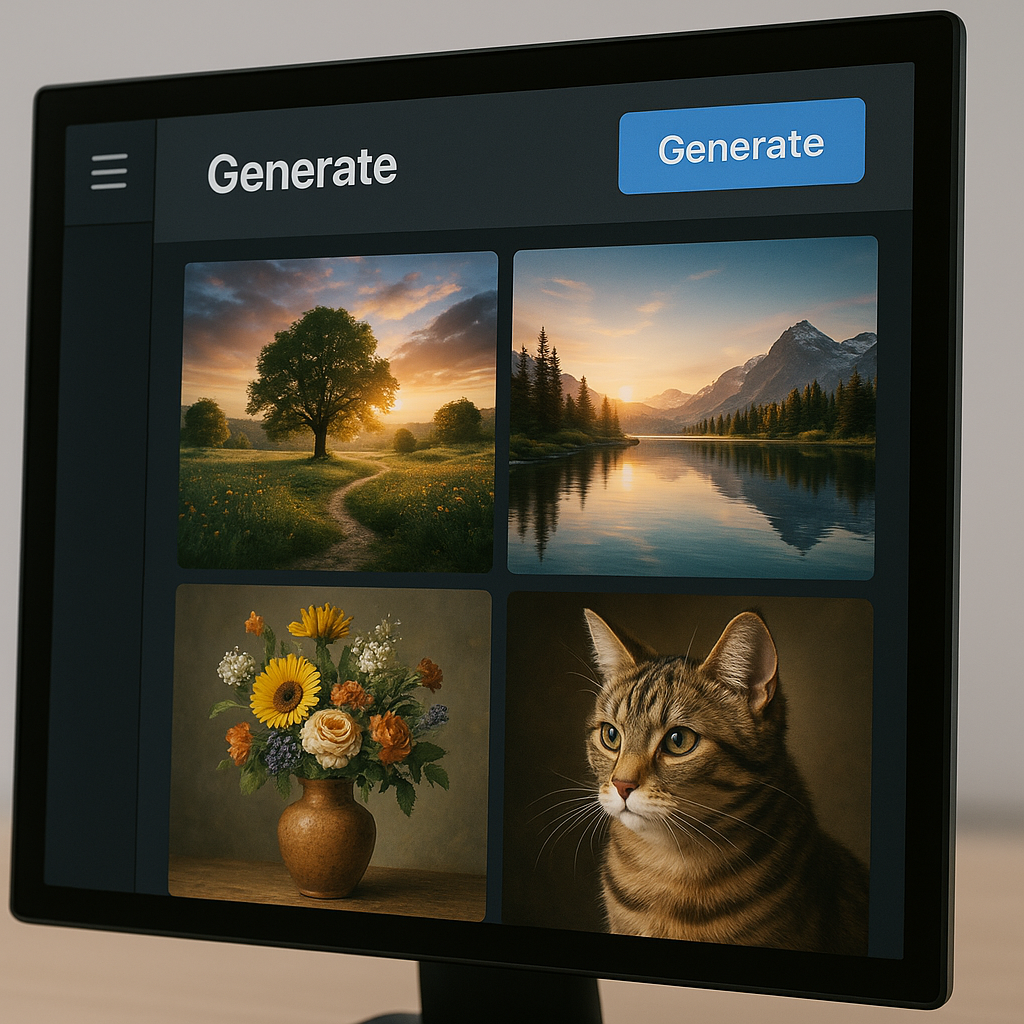
Image Generators
The rise of image generators has markedly transformed the landscape of digital art, design, and media production. These innovative tools, powered by artificial intelligence (AI), allow users to create stunning visuals with just a few clicks, eliminating the need for extensive artistic skills or software proficiency. As their popularity continues to soar, it is essential to explore the implications, applications, and ethical considerations surrounding this technology.
Image generators, often based on generative adversarial networks (GANs) or diffusion models, are designed to produce images from textual descriptions or to manipulate existing images in unique ways. This technology has evolved significantly in recent years, driven by advancements in machine learning and neural networks. The result is a new wave of creativity that is accessible to both professionals and amateurs alike.
One of the most significant developments in this field is the emergence of platforms like DALL-E, Midjourney, and Stable Diffusion. These tools allow users to input prompts that describe the type of image they envision. For instance, a user might type “a serene landscape at sunset with a mountain range in the background,” and within seconds, the AI generates a corresponding image. Such capabilities have unlocked vast possibilities for artists, marketers, and content creators, enabling them to visualise ideas that would otherwise require extensive time and resources.
In the realm of marketing and advertising, image generators have proven to be invaluable. Brands can rapidly create tailored visuals for campaigns, reducing the time spent on traditional design processes. This agility not only enhances productivity but also allows for greater experimentation with visual content. For instance, a marketing team can generate multiple variations of an ad to see which resonates best with their audience, all without the need for a dedicated graphic designer. This has led to more dynamic and engaging advertising strategies that can adapt to shifting consumer preferences.
Moreover, image generators are making waves in the gaming and entertainment industries. Game developers can use these tools to create concept art, character designs, and even entire environments, streamlining the pre-production process. This not only speeds up development but also encourages creativity, as designers can explore countless variations without the constraints of traditional art production. Similarly, filmmakers are beginning to experiment with AI-generated imagery for storyboarding and visual effects, pushing the boundaries of what is possible in cinematic storytelling.
However, the proliferation of image generators raises important ethical questions that cannot be overlooked. One of the primary concerns is the potential for misuse. As these tools become more sophisticated, the risk of creating misleading or harmful content increases significantly. For example, generating realistic images of individuals in compromising positions or manipulating public figures’ likenesses could have far-reaching consequences, particularly in the age of misinformation. The ability to produce hyper-realistic fake images poses a challenge to the integrity of journalism and public discourse, necessitating a concerted effort to establish guidelines and regulations surrounding their use.
Another pressing issue is the question of copyright and ownership. The images produced by AI are often the result of vast datasets that include existing artworks, photographs, and designs. This raises concerns about whether the creators of these datasets hold any rights over the images generated by the AI. As artists and designers increasingly utilise these tools, the legal frameworks governing intellectual property need to evolve to address the complexities introduced by AI-generated content. There is a growing call for clearer guidelines that delineate the rights of human creators versus those of AI systems.
Furthermore, there is the potential for image generators to inadvertently perpetuate biases present in their training data. If the datasets used to train these models contain skewed representations of certain demographics or cultures, the resulting images may reflect and reinforce these biases. This could lead to the marginalisation of underrepresented groups within the realm of digital imagery. As such, developers of image generators must take proactive steps to ensure that their models are trained on diverse and representative datasets, fostering inclusivity and fairness in the visual content produced.
In response to these challenges, various stakeholders, including technologists, artists, and policymakers, are engaging in discussions about the future of image generation technology. Initiatives to promote ethical AI use are gaining traction, with organisations advocating for transparency in AI development and encouraging the implementation of ethical guidelines. Workshops and forums are being held to educate creators about the implications of using AI tools, ensuring that they are equipped to navigate the complexities of this evolving landscape.
Despite the challenges, the allure of image generators remains undeniable. They offer a unique blend of creativity and technology, empowering individuals to express their ideas in visually captivating ways. As these tools continue to advance and become more widely adopted, the potential for innovation in art and design is limitless. From personalised artwork to dynamic marketing campaigns, the applications of image generation are expanding rapidly, heralding a new era in visual culture.
In conclusion, image generators represent a fascinating intersection of art and technology, offering unprecedented opportunities for creativity while also posing significant ethical challenges. As the technology evolves, it is crucial for society to engage in meaningful conversations about its implications, ensuring that the benefits are maximised while minimising potential harms. The future of image generation undoubtedly holds great promise, but it will require thoughtful stewardship to navigate the complexities that lie ahead.
Recent Posts
Head-to-Head: Comparing Top AI Models in Работа с Нейросетями and Their Impact
червень 16, 2026
Debunking Myths: The Realities of Работа с Нейросетями and AI Models Today
червень 16, 2026
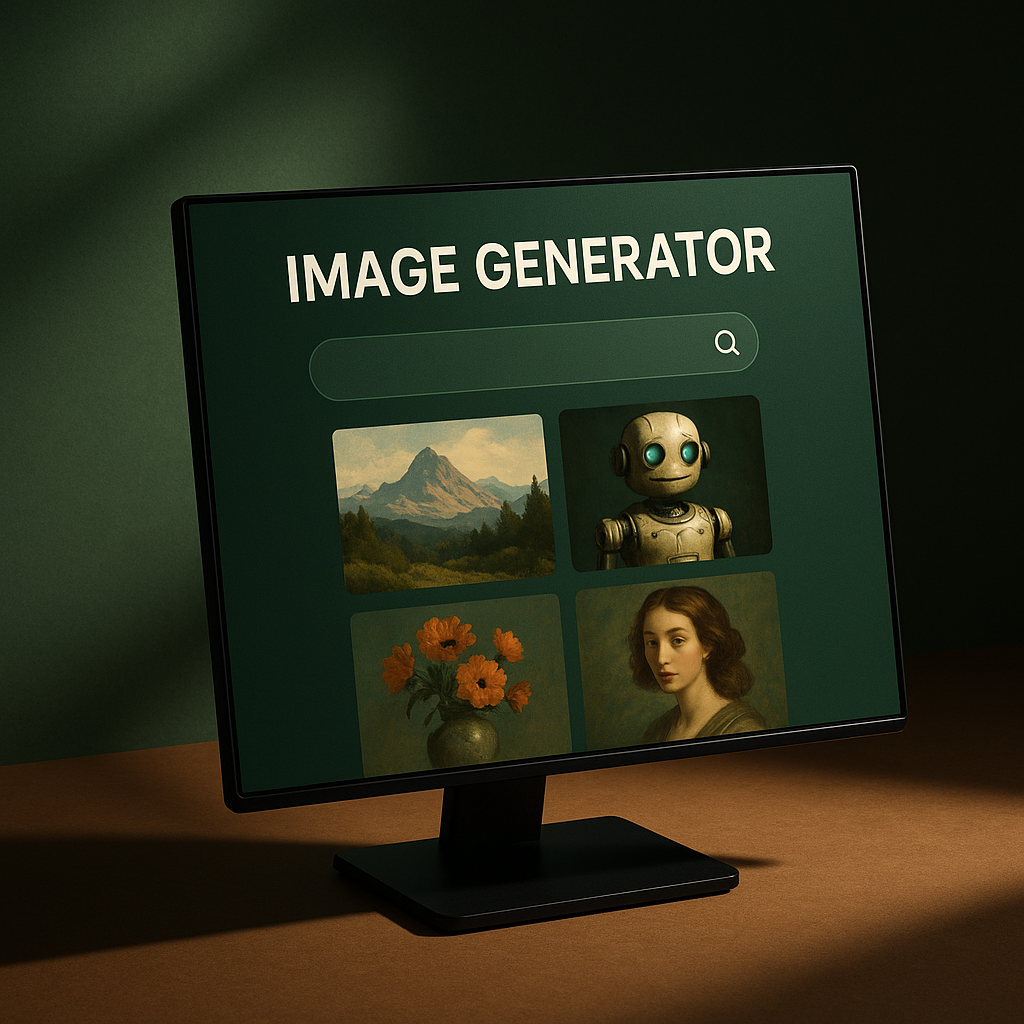
Unlocking Creativity: A Simple Guide to Using Image Generators for Beginners
червень 16, 2026
Maximum Potential
Отримайте повний досвід із планом Pro
ІНФОРМАЦІЯ