травень 6, 2026
Unleashing Creativity: How Image Generators are Transforming Digital Art in 2023
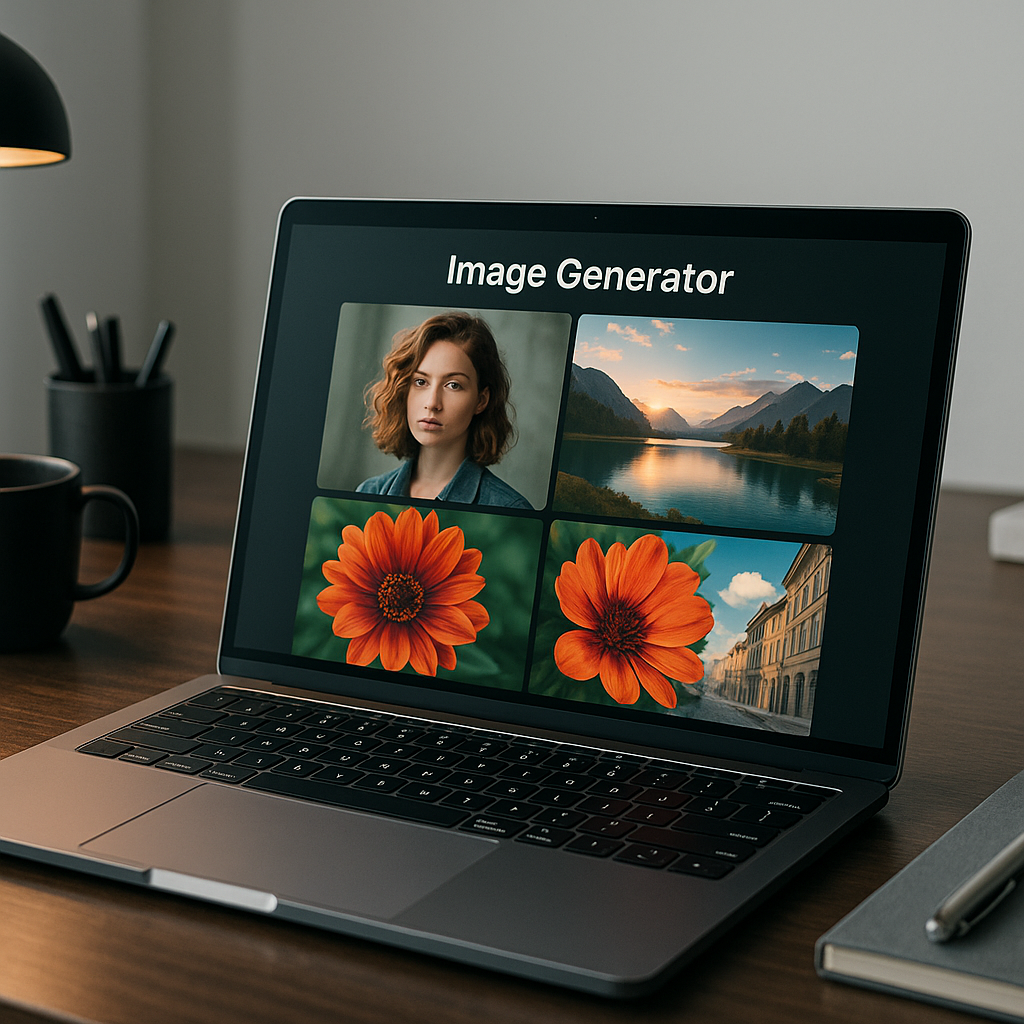
Image Generators
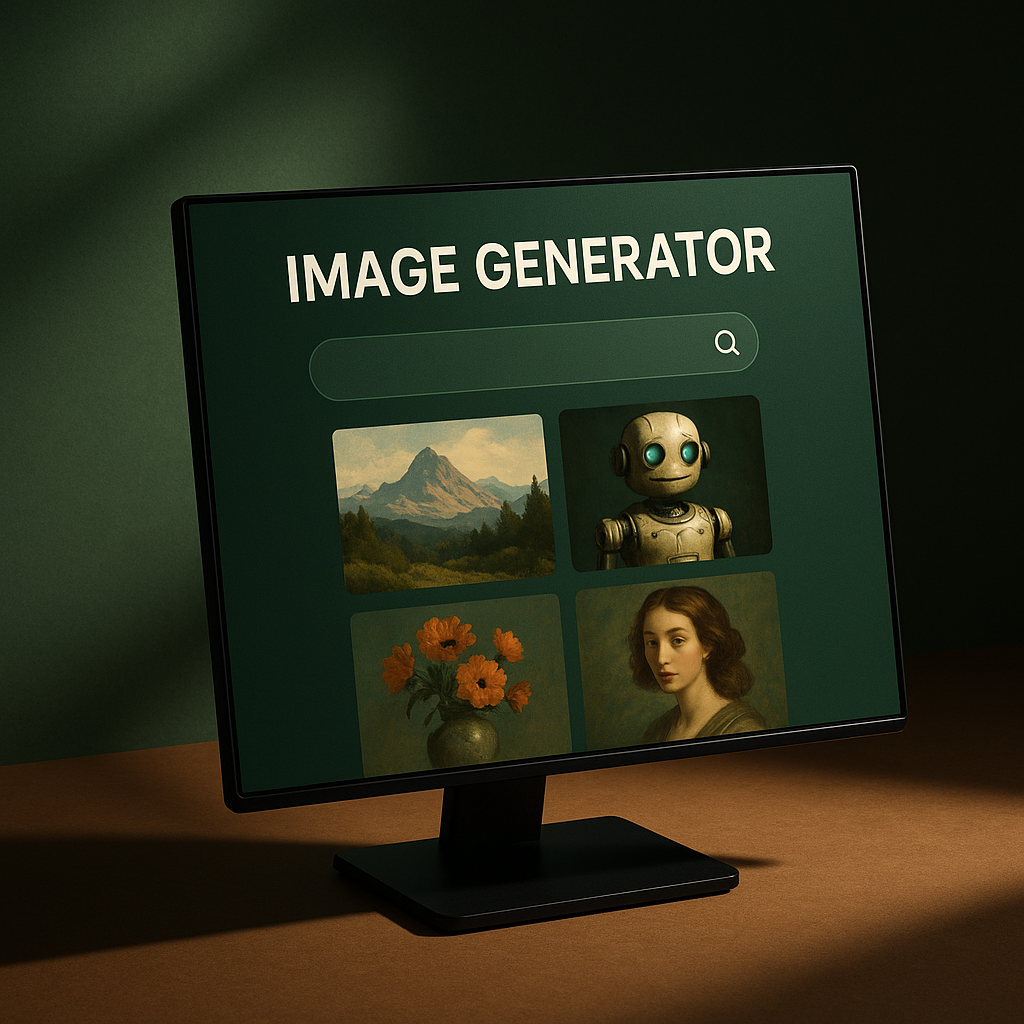
In recent years, image generators have emerged as a transformative force in the realms of art, design, and content creation. These advanced technologies, powered by artificial intelligence (AI), have captivated the imagination of artists, marketers, and everyday users alike. With the ability to produce stunning visuals from simple text prompts or existing images, image generators are reshaping how we think about creativity and digital expression.
At the core of these image generators lies a complex web of algorithms and machine learning techniques. Most notably, generative adversarial networks (GANs) and diffusion models have been pivotal in advancing the quality and realism of generated images. GANs work by employing two neural networks—a generator and a discriminator—that compete against each other. The generator creates images, while the discriminator evaluates them, providing feedback that helps the generator improve. This back-and-forth process results in highly sophisticated images that can often be indistinguishable from those created by human artists.
One of the most widely recognised image generators is OpenAI’s DALL-E, which gained significant attention for its ability to create highly detailed and contextually relevant images from textual descriptions. For example, users can input a phrase like “an astronaut riding a horse in a futuristic city,” and DALL-E will produce a unique image that embodies the prompt. This level of customisation has opened new avenues for creativity, allowing individuals to bring their ideas to life with unprecedented ease.
Another notable contender in this space is Midjourney, which focuses on artistic styles and often generates images that resemble traditional art forms. Users have reported a wide range of applications for Midjourney, from creating concept art for video games to producing unique illustrations for personal projects. The intuitive interface and community-driven approach have further propelled its popularity, encouraging users to share their creations and collaborate on new ideas.
The rise of image generators has sparked discussions around intellectual property and copyright. As these tools become more integrated into creative workflows, questions arise regarding the ownership of generated images. If an artist uses an image generator to create a piece, who holds the rights to that work? Some jurisdictions are beginning to establish guidelines, but the legal landscape remains murky. Artists and creators are urged to remain informed about the implications of using AI-generated content and to consider ethical practices in their work.
In addition to concerns about ownership, the impact of image generators on the creative industry has been met with both excitement and apprehension. On one hand, these tools democratise art creation, enabling individuals without formal training to produce visually appealing content. This accessibility can lead to a more diverse range of voices and ideas within the creative community. On the other hand, some artists fear that the proliferation of AI-generated images may devalue traditional artistic skills and lead to job displacement in creative fields.
Despite these concerns, many artists have embraced image generators as a complementary tool rather than a replacement for their craft. The integration of AI into the creative process allows for experimentation and rapid prototyping, enabling artists to explore new styles and concepts that they may not have considered otherwise. For instance, some designers are using image generators to brainstorm logos and branding materials, refining their ideas before investing time into detailed design work.
Furthermore, businesses are leveraging image generators to enhance their marketing efforts. With the ability to create bespoke visuals at scale, companies can produce tailored content for social media campaigns, advertisements, and websites without the lengthy turnaround times traditionally associated with custom photography or graphic design. This shift not only saves time but also reduces costs, making high-quality visuals more accessible to businesses of all sizes.
The education sector is also beginning to incorporate image generators into curricula, particularly in art and design courses. By teaching students how to effectively use these tools, educators are preparing the next generation of creators to harness the power of AI while also fostering critical thinking about the implications of technology in their work. This forward-thinking approach encourages students to blend traditional skills with modern techniques, ensuring they remain competitive in a rapidly evolving industry.
As the capabilities of image generators continue to expand, so too do the ethical considerations surrounding their use. Issues such as bias in training data, the potential for misinformation, and the environmental impact of running large-scale AI models are increasingly coming to the forefront of discussions. Developers and researchers are urged to prioritise transparency and accountability in their algorithms, ensuring that the technology is used responsibly and equitably.
Looking ahead, the future of image generators appears bright, with ongoing advancements promising even more exciting developments. Researchers are exploring ways to improve the realism and contextual understanding of generated images, while also working on reducing the computational resources required to run these models. As image generators become more refined, we can expect to see them integrated into a wider array of applications, from virtual reality experiences to personalised art installations.
In conclusion, image generators represent a significant shift in the landscape of creativity and content creation. As these technologies continue to evolve, they will undoubtedly bring new opportunities and challenges to artists, designers, and businesses alike. By embracing this innovative frontier while remaining mindful of ethical considerations, we can harness the full potential of image generators to enrich our creative expressions and redefine the boundaries of art in the digital age.
Recent Posts
Head-to-Head: Comparing Top AI Models in Работа с Нейросетями and Their Impact
червень 16, 2026
Debunking Myths: The Realities of Работа с Нейросетями and AI Models Today
червень 16, 2026
Unlocking Creativity: A Simple Guide to Using Image Generators for Beginners
червень 16, 2026
Maximum Potential
Отримайте повний досвід із планом Pro
ІНФОРМАЦІЯ