March 6, 2026
Unleashing Creativity: How Image Generators Are Transforming Digital Art Today
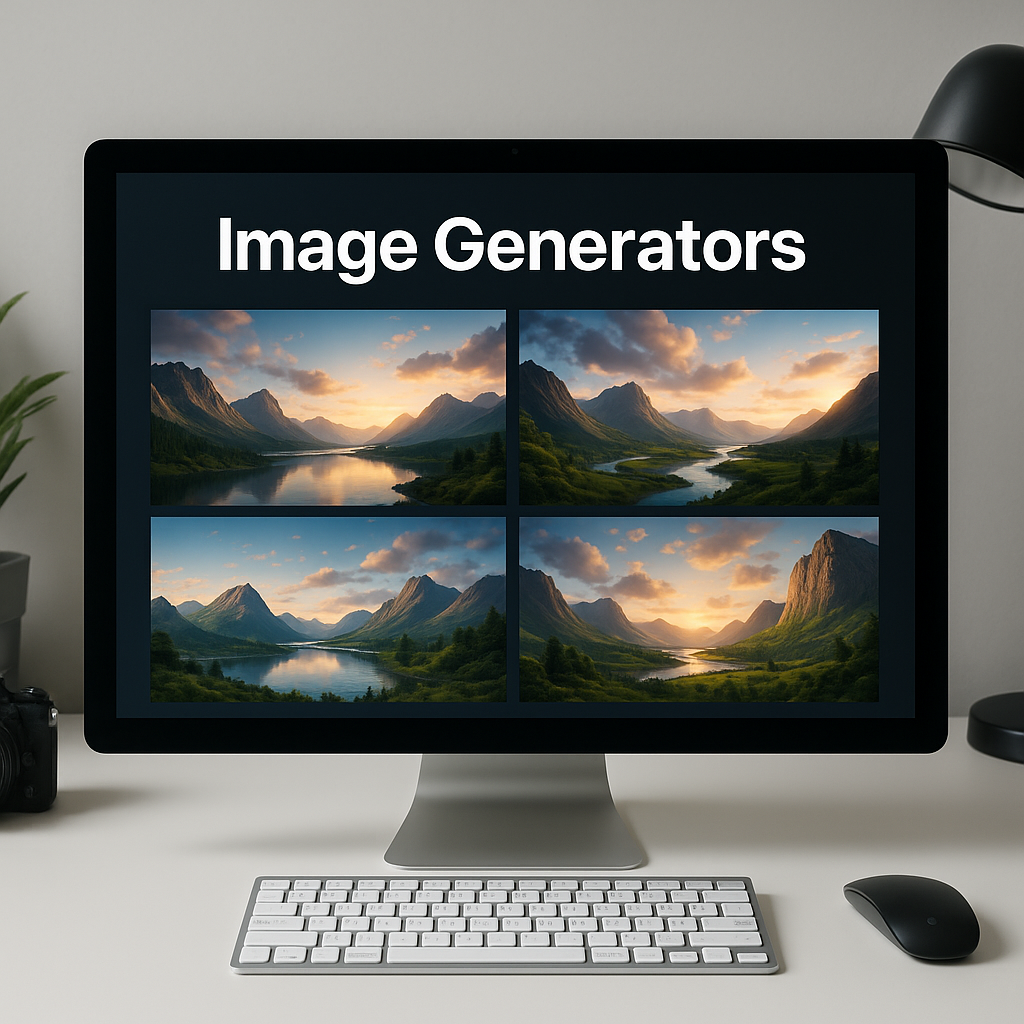
Image Generators
In recent years, image generators have surged in popularity, transforming the way we create and interact with visual content. These advanced tools, powered by artificial intelligence (AI) and machine learning, allow users to produce stunning images from simple text prompts or existing images. As industries ranging from advertising to gaming and social media harness their potential, the implications of this technology are profound, sparking conversations about creativity, copyright, and the future of digital art.
At the heart of image generation technology are sophisticated algorithms, particularly those based on Generative Adversarial Networks (GANs) and diffusion models. GANs work by pitting two neural networks against each other—the generator, which creates images, and the discriminator, which evaluates them. This back-and-forth process results in increasingly realistic images, as the generator learns to create visuals that can fool the discriminator. Diffusion models, on the other hand, gradually transform random noise into coherent images, producing high-quality results that can rival traditional artistic methods.
Notable examples of image generators include OpenAI's DALL-E, Stability AI's Stable Diffusion, and Midjourney. Each of these platforms has carved a niche in the digital landscape, offering unique features and capabilities. DALL-E, for instance, gained significant attention for its ability to create intricate images from descriptive text, allowing users to visualize concepts that previously existed only in their imagination. Stability AI's Stable Diffusion further democratizes access to high-quality image generation, making it available for a broader audience, while Midjourney has captivated users with its artistic style and community-driven approach.
The applications of image generators are vast and varied. In the realm of marketing, businesses can create compelling visuals for campaigns without the need for costly photoshoots or graphic design services. This technology accelerates the creative process, enabling brands to quickly iterate on visual concepts and enhance their marketing strategies. Additionally, in the gaming industry, developers can use image generators to design characters, landscapes, and other assets, streamlining the game development pipeline and allowing for more creative exploration.
Social media influencers and content creators have also embraced image generators, using them to enhance their online presence. By producing unique visuals tailored to their brand, creators can engage their audiences more effectively and stand out in a crowded digital space. This newfound ability to generate personalized content has empowered many individuals, fostering a sense of ownership and creativity that was previously limited by traditional artistic skills.
However, the rise of image generators has also ignited a complex debate surrounding copyright and intellectual property rights. As AI-generated images become increasingly indistinguishable from human-created art, questions arise about ownership and attribution. Who owns the rights to an image produced by an AI— the user who provided the prompt, the developers of the technology, or even the data that trained the model? These questions remain largely unanswered, prompting discussions among legal experts, artists, and technologists alike.
The potential for misuse of image generators cannot be overlooked either. With the ease of creating realistic images comes the risk of generating misleading or harmful content. Deepfakes, for instance, have become a growing concern, as they can be used to create deceptive videos or images that misrepresent individuals or events. This challenge underscores the need for ethical guidelines and responsible usage of image generation technology, calling for collaboration between developers, policymakers, and the broader community to establish standards that prevent misuse while promoting innovation.
In response to these challenges, some platforms have implemented measures to mitigate the risks associated with image generation. For example, OpenAI has incorporated content filters to prevent the creation of inappropriate or harmful images with DALL-E. Similarly, Stability AI encourages responsible usage by providing guidelines and promoting transparency in the creative process. These initiatives reflect a growing recognition of the need to balance innovation with ethical considerations, ensuring that technology serves to enhance creativity rather than undermine it.
The future of image generators is likely to be characterized by continued advancements in AI and machine learning, leading to even more sophisticated capabilities. As the technology evolves, we can expect to see improvements in image quality, speed of generation, and the ability to understand complex prompts. Furthermore, integration with other technologies, such as augmented reality (AR) and virtual reality (VR), could create entirely new avenues for creative expression, allowing users to interact with generated images in immersive environments.
As these tools become more accessible and affordable, we may witness a democratization of visual art, where individuals without formal training can produce high-quality images that reflect their ideas and visions. This shift could lead to a broader cultural movement, where creativity is no longer confined to a select few but is embraced by a diverse range of voices. Such a change could enrich our visual landscape and foster a more inclusive creative community.
In conclusion, image generators represent a significant leap forward in the intersection of technology and creativity. While they offer exciting possibilities for artistic expression and commercial application, they also pose important questions about ownership, ethics, and the future of art in a digital age. As we navigate this evolving landscape, it is crucial to foster dialogue among stakeholders, ensuring that the benefits of this technology are realized while minimizing its risks. The journey of image generation is just beginning, and its impact on our society and culture will continue to unfold in the years to come.
Recent Posts
Breakthrough in Neural Networks: How New AI Models Revolutionize Global Tech
June 16, 2026
Head-to-Head: Comparing Neural Network Models and Their Impact on AI Work Today
June 16, 2026
New Breakthrough in Image Generators Promises to Revolutionize Artistic Expressi...
June 16, 2026
Maximum Potential
Get the full experience with Pro Plan
INFORMATION