квітень 13, 2026
Unleashing Creativity: How Image Generators are Transforming the Art World
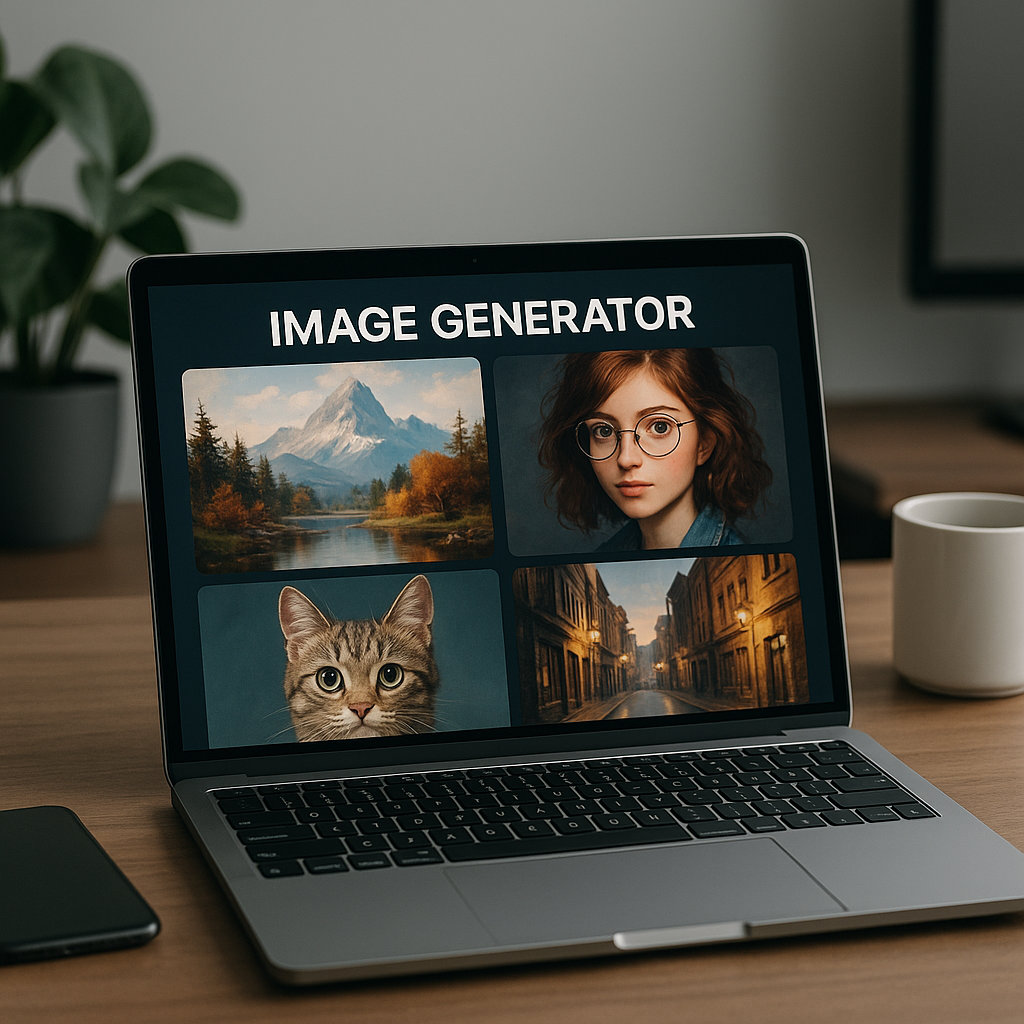
Image Generators
In recent years, image generators have emerged as a transformative force in the realm of digital creativity, revolutionising the way artists, designers, and content creators produce visual media. These sophisticated tools, powered by artificial intelligence and machine learning, have opened up new avenues for artistic expression, allowing users to generate stunning images from simple text prompts or existing images. As the technology advances, the implications for various industries, including advertising, gaming, and social media, are profound.
At the heart of this innovation is a technology known as Generative Adversarial Networks (GANs). GANs consist of two neural networks: a generator that creates new images and a discriminator that evaluates them. This dynamic duo works through a process of competition, with the generator striving to produce images that can fool the discriminator into believing they are real. Over time, this iterative process leads to the generation of highly realistic images that can be indistinguishable from those created by human artists.
One of the most notable examples of an image generator is OpenAI's DALL-E, which captures the imagination of users with its ability to create intricate and surreal images based on textual descriptions. With DALL-E, a user can input a phrase like "a two-headed flamingo wearing a top hat," and the model will generate a unique image that aligns with that description. This capability not only showcases the potential for creativity but also raises questions about originality and the role of the artist in an increasingly automated world.
The rise of these image generators has sparked a surge of interest across various sectors. In advertising, marketers are leveraging these tools to create bespoke visuals tailored to their campaigns. Instead of relying solely on stock images, brands can now generate exclusive content that resonates more authentically with their target audience. This shift not only enhances the creative process but also enables brands to save time and resources, allowing for faster turnarounds in their marketing strategies.
Moreover, the gaming industry is also experiencing a paradigm shift as game developers utilise image generators to create vast, immersive worlds. By generating textures, characters, and environments on-the-fly, developers can enhance the realism of their games while also reducing the time and effort required for asset creation. This approach allows for more dynamic gameplay experiences, where environments can change in real-time based on player interactions.
Social media platforms are not immune to the influence of image generators either. Users are increasingly turning to these tools to create engaging content that stands out in crowded feeds. With the ability to produce unique visuals effortlessly, influencers and everyday users alike are finding new ways to express themselves online. This trend has led to the rise of "AI art" as a category in its own right, where creators share their generated works, further blurring the lines between traditional artistry and algorithm-driven creativity.
However, the rapid development of image generators has also raised ethical concerns that merit consideration. One of the most pressing issues is copyright infringement. As these tools learn from vast datasets of existing artwork, questions arise regarding the ownership of the images they produce. If an image generator creates a piece that closely resembles an existing artwork, who holds the rights to that image? The legal framework surrounding intellectual property in the context of AI-generated content is still evolving, and it remains to be seen how courts will address these complex issues.
Additionally, the potential for misuse of image generators cannot be overlooked. The creation of deepfakes—manipulated images or videos that can mislead viewers—has already raised alarms about misinformation and the erosion of trust in visual media. As deepfake technology becomes more accessible, the risk of producing harmful or deceptive content increases. This has led to calls for regulations and ethical guidelines to govern the use of AI in image generation.
In response to these challenges, some companies are taking proactive steps to ensure responsible usage of image generators. OpenAI, for example, has implemented safety features and usage guidelines to mitigate the risks associated with their tools. By promoting ethical practices and encouraging users to consider the implications of their creations, the industry aims to harness the benefits of image generators while minimising potential harm.
The conversation surrounding image generators also touches on the future of creativity itself. As AI continues to evolve, the definition of an artist may shift, with machines playing an increasingly significant role in the creative process. This realignment raises questions about the value of human creativity and the unique qualities that define it. While AI can generate remarkable images, the emotional depth, cultural context, and personal experience that human artists bring to their work remain irreplaceable.
As we move forward, it is crucial for artists, technologists, and policymakers to engage in an ongoing dialogue about the implications of image generators. The potential for innovation is vast, but it must be balanced with a commitment to ethical practices and an understanding of the broader societal impacts. By fostering a collaborative approach, we can embrace the creative potential of these tools while ensuring that they are used responsibly and thoughtfully.
In conclusion, image generators represent a fascinating intersection of technology and creativity. Their ability to produce stunning visuals from simple prompts has significant implications for various industries, fostering innovation and expanding the horizons of artistic expression. However, as the technology continues to evolve, it is imperative that we navigate the accompanying ethical challenges with care, ensuring that the future of creativity remains vibrant and inclusive for all.
Recent Posts
Head-to-Head: Comparing Top AI Models in Работа с Нейросетями and Their Impact
червень 16, 2026
Debunking Myths: The Realities of Работа с Нейросетями and AI Models Today
червень 16, 2026
Unlocking Creativity: A Simple Guide to Using Image Generators for Beginners
червень 16, 2026
Maximum Potential
Отримайте повний досвід із планом Pro
ІНФОРМАЦІЯ