March 10, 2026
Unleashing Creativity: How Image Generators Are Transforming Visual Art in 2023
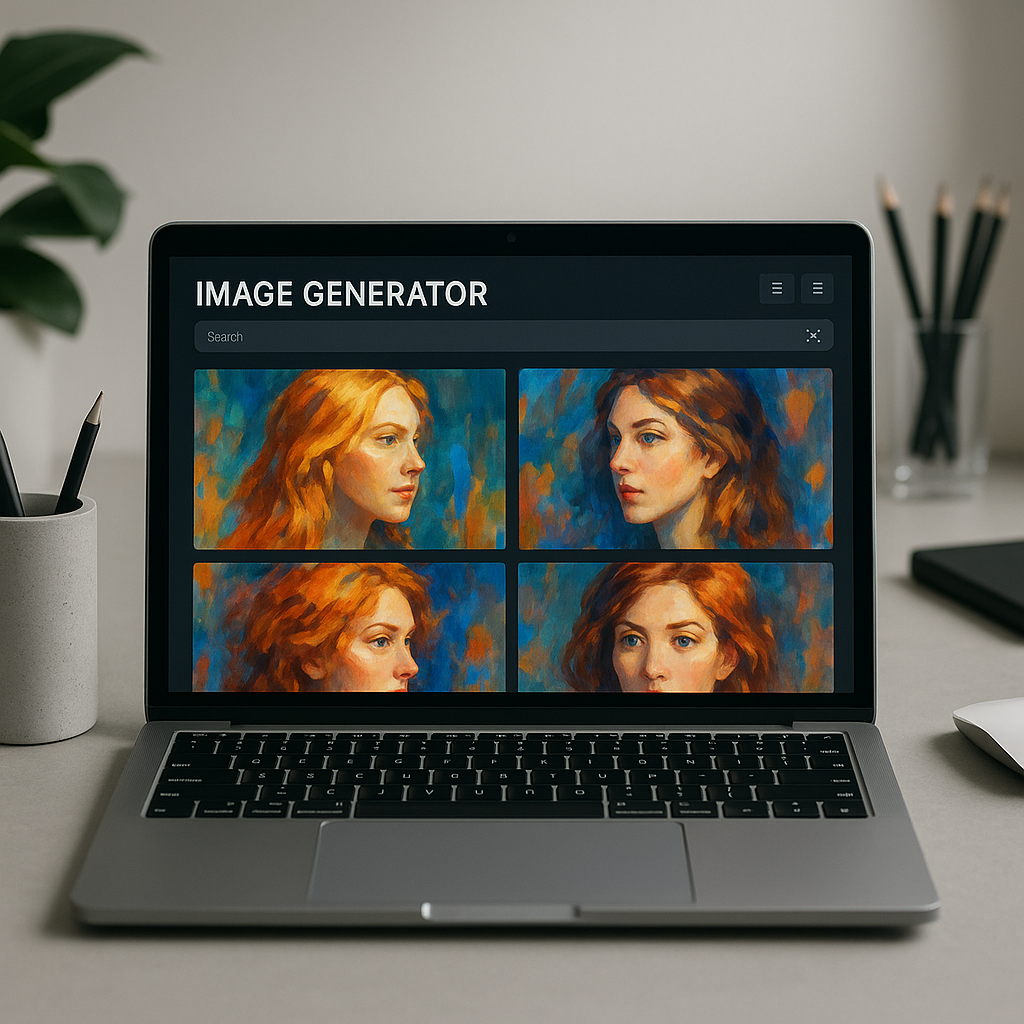
Image Generators
In recent years, the emergence of image generators has revolutionized the way we create and interact with visual content. These advanced technologies, powered by artificial intelligence, are capable of producing stunning images from simple text prompts, fundamentally changing the landscape of digital artistry, marketing, and even personal expression. As these tools continue to evolve, they raise significant questions about creativity, ownership, and the future of visual media.
At the core of image generators lies a sophisticated branch of AI known as generative adversarial networks (GANs). These networks consist of two components: a generator and a discriminator. The generator creates images based on the input it receives, while the discriminator evaluates those images against real-world counterparts. Through this iterative process, the generator learns to produce increasingly realistic images, effectively blurring the lines between human-created and machine-generated art.
Prominent platforms such as DALL-E, Midjourney, and Stable Diffusion have garnered significant attention for their ability to produce high-quality images that often defy the limits of human creativity. Users can input descriptive phrases, and within moments, the AI generates a range of images that capture the essence of the prompt. For instance, a request for "a futuristic cityscape at sunset" might yield dozens of unique interpretations, each showcasing the AI's understanding of color, composition, and thematic elements.
This capability has not only democratized art creation but also opened up new avenues for artists and designers. Traditional artists can leverage these tools to inspire their work, generate ideas, or even create elements for larger projects. Graphic designers can use image generators to produce quick mockups or unique backdrops for presentations, enhancing their workflow and creativity. The ease of generating visuals has led many professionals to incorporate these tools into their daily practices, resulting in a fusion of human intuition and machine efficiency.
Moreover, the impact of image generators extends beyond individual artistry. In the realm of marketing and advertising, businesses are beginning to harness these technologies to create eye-catching visuals that resonate with their target audiences. Custom graphics produced on-demand allow brands to tailor their marketing materials quickly, adapting to trends and consumer preferences almost in real-time. This agility not only enhances engagement but also reduces costs associated with traditional image sourcing, such as hiring photographers or licensing stock images.
However, the rise of image generators is not without controversy. As these technologies proliferate, concerns regarding copyright and ownership have surfaced. If an AI generates an image based on a user’s prompt, who holds the rights to that creation? The question is further complicated when considering that these models are often trained on vast datasets that include copyrighted material. This raises ethical dilemmas about the use of existing art and the potential for copyright infringement, as well as the implications for artists whose work may be imitated or borrowed without consent.
In response to these concerns, some companies are beginning to implement measures to ensure that generated images are used ethically. For instance, certain platforms require users to acknowledge the AI's role in the creation process and provide guidelines on how generated images can be used. However, the legal landscape surrounding AI-generated content remains largely uncharted, prompting calls for clearer regulations and frameworks to protect both creators and consumers.
The debate over ownership and ethics is further complicated by the notion of creativity itself. As image generators become more sophisticated, the line between human and machine creativity is increasingly blurred. Can a machine truly be considered creative if it relies on patterns and datasets curated by humans? Critics argue that while AI can produce visually stunning results, it lacks the emotional depth and intention that characterize human artistry. Proponents, on the other hand, suggest that these tools are simply new mediums through which creativity can be expressed, much like a camera or a paintbrush.
As the technology continues to advance, future iterations of image generators are likely to offer even more intricate capabilities. Researchers are exploring ways to enhance the contextual understanding of AI, enabling it to produce images that are not only visually appealing but also rich in narrative and emotion. This could lead to a new era of storytelling through imagery, where the distinction between human and machine-generated art becomes even less pronounced.
The potential applications of image generators extend far beyond art and advertising. In fields such as education and healthcare, these tools are being explored for their ability to create engaging visual content that can enhance learning experiences or aid in patient education. For example, educators could utilize AI-generated illustrations to explain complex concepts, while healthcare professionals might employ custom visuals to illustrate procedures for patients, making information more accessible and understandable.
As we stand on the precipice of this new era in visual content creation, it is essential to consider the broader implications of image generators. While they offer incredible opportunities for creativity and efficiency, they also challenge us to rethink our understanding of artistry, ownership, and ethical responsibility in a digital age. Moving forward, it will be crucial for stakeholders across industries—artists, technologists, policymakers, and consumers—to engage in meaningful dialogues about how to navigate this evolving landscape responsibly.
In conclusion, image generators represent a fascinating intersection of technology and creativity, offering unprecedented possibilities for individuals and industries alike. As these tools continue to develop and integrate into our lives, they will undoubtedly shape the future of visual media in ways we are only beginning to understand. Embracing the potential of these technologies while remaining vigilant about their ethical implications will be key to harnessing their benefits in a way that honors the rich tapestry of human creativity.
Recent Posts
Breakthrough in Neural Networks: How New AI Models Revolutionize Global Tech
June 16, 2026
Head-to-Head: Comparing Neural Network Models and Their Impact on AI Work Today
June 16, 2026
New Breakthrough in Image Generators Promises to Revolutionize Artistic Expressi...
June 16, 2026
Maximum Potential
Get the full experience with Pro Plan
INFORMATION