February 9, 2026
Unleashing Creativity: How Image Generators Are Transforming Visual Art in 2023
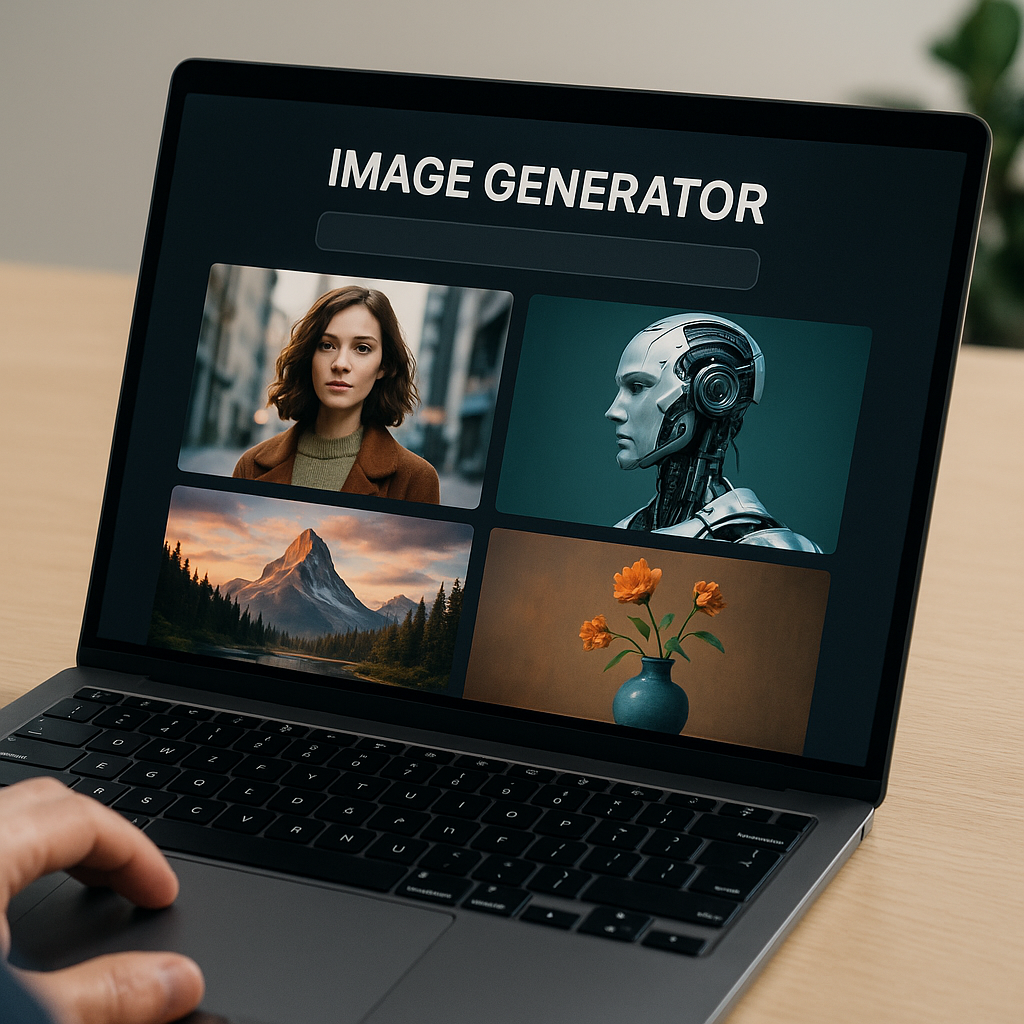
Image Generators
In recent years, the rise of image generators has transformed the landscape of digital creativity, leading to an unprecedented democratization of artistic expression. These innovative tools leverage the power of artificial intelligence to create stunning, high-quality images from simple text prompts, allowing users to explore their imagination in ways previously thought impossible. As these technologies continue to evolve, they are reshaping industries ranging from entertainment to marketing, while also raising important questions about authorship, ethics, and the future of creative work.
Image generators, powered by deep learning algorithms and neural networks, have gained significant attention due to their ability to produce visually striking artwork in a matter of seconds. Tools like OpenAI’s DALL-E and Midjourney are at the forefront of this movement, enabling users to input descriptive text that the AI then interprets to create images that match the input. This capability has opened the door for artists, designers, and even casual users to create original visuals without requiring traditional artistic skills.
The technology behind image generators is rooted in a process known as generative adversarial networks (GANs). In essence, a GAN consists of two neural networks: the generator, which creates images, and the discriminator, which evaluates them. The generator learns to produce images that look increasingly realistic, while the discriminator improves its ability to distinguish between real and generated images. This dynamic competition allows the system to refine its outputs over time, resulting in images that can be astonishingly lifelike or whimsically imaginative.
One of the most appealing aspects of image generators is their accessibility. Users can experiment with these tools through user-friendly interfaces, often requiring nothing more than a basic understanding of how to craft a descriptive prompt. This ease of use has attracted a diverse audience, from professional graphic designers seeking inspiration to hobbyists experimenting with visual storytelling. As a result, platforms hosting these AI tools have seen rapid user growth, with communities forming around shared interests in digital art and creative exploration.
In addition to individual creators, businesses are increasingly harnessing the power of image generators for commercial purposes. Marketing teams, for instance, can quickly generate unique visuals tailored to specific campaigns, saving time and resources while maintaining creative control. This shift allows companies to keep up with fast-paced market demands, producing custom graphics for social media, advertisements, and product packaging in record time. Furthermore, the ability to experiment with various styles and concepts without the need for extensive design resources offers a competitive edge in a crowded marketplace.
Despite the myriad advantages, the rise of image generators also brings forth a host of ethical and legal considerations. The question of authorship is particularly contentious; when an AI creates an image based on a user's prompt, who owns the resulting artwork? Current copyright laws are struggling to keep pace with technological advancements, leading to a legal gray area that is fraught with ambiguity. Artists and creators are concerned that their work could be inadvertently mimicked or appropriated by AI systems, raising fears about the potential devaluation of human creativity.
Moreover, there are concerns regarding the potential misuse of image generators. The ability to create realistic images can be exploited for malicious purposes, such as generating misleading or harmful content. Deepfakes, for instance, have already demonstrated the dangers of AI-generated imagery, leading to misinformation and erosion of trust in visual media. As these technologies become more sophisticated, the responsibility lies with developers and users alike to navigate the ethical minefield and ensure responsible usage.
In response to these challenges, developers of image generators are implementing measures to mitigate risks. Many platforms have adopted guidelines to restrict the creation of certain types of content, such as explicit imagery or images that could be used to deceive. Additionally, some companies are exploring watermarking techniques that would allow for the identification of AI-generated content, thereby helping to distinguish it from human-created works. Such initiatives are essential in fostering a responsible approach to AI in the creative space.
Looking forward, the future of image generators appears bright yet complex. As technology continues to advance, we can expect even more sophisticated tools that blur the lines between human creativity and artificial intelligence. Future iterations may not only generate images but also understand context, style, and emotion, further pushing the boundaries of artistic expression. This evolution could pave the way for collaborative efforts between human artists and AI, resulting in new forms of art that celebrate the interplay of human intuition and machine learning.
Educational institutions are also beginning to recognize the potential of image generators as teaching tools. By incorporating AI art creation into curricula, schools can inspire the next generation of artists to explore new mediums and techniques. This approach not only enhances students' digital skills but also encourages critical thinking about the implications of technology in the creative process.
In conclusion, image generators represent a fascinating intersection of technology and creativity, offering exciting opportunities for artistic exploration while simultaneously presenting significant ethical challenges. As society continues to grapple with the implications of AI-generated content, it is essential to promote responsible practices and foster a dialogue around authorship, ownership, and the future of creativity. The journey of integrating these powerful tools into the artistic landscape is just beginning, and the outcome remains to be seen. However, one thing is clear: the world of image generation is poised to change the way we create and perceive art forever.
Recent Posts
Breakthrough in Neural Networks: How New AI Models Revolutionize Global Tech
June 16, 2026
Head-to-Head: Comparing Neural Network Models and Their Impact on AI Work Today
June 16, 2026
New Breakthrough in Image Generators Promises to Revolutionize Artistic Expressi...
June 16, 2026
Maximum Potential
Get the full experience with Pro Plan
INFORMATION