березень 10, 2026
Unleashing Creativity: How Image Generators Revolutionise Visual Content Creation
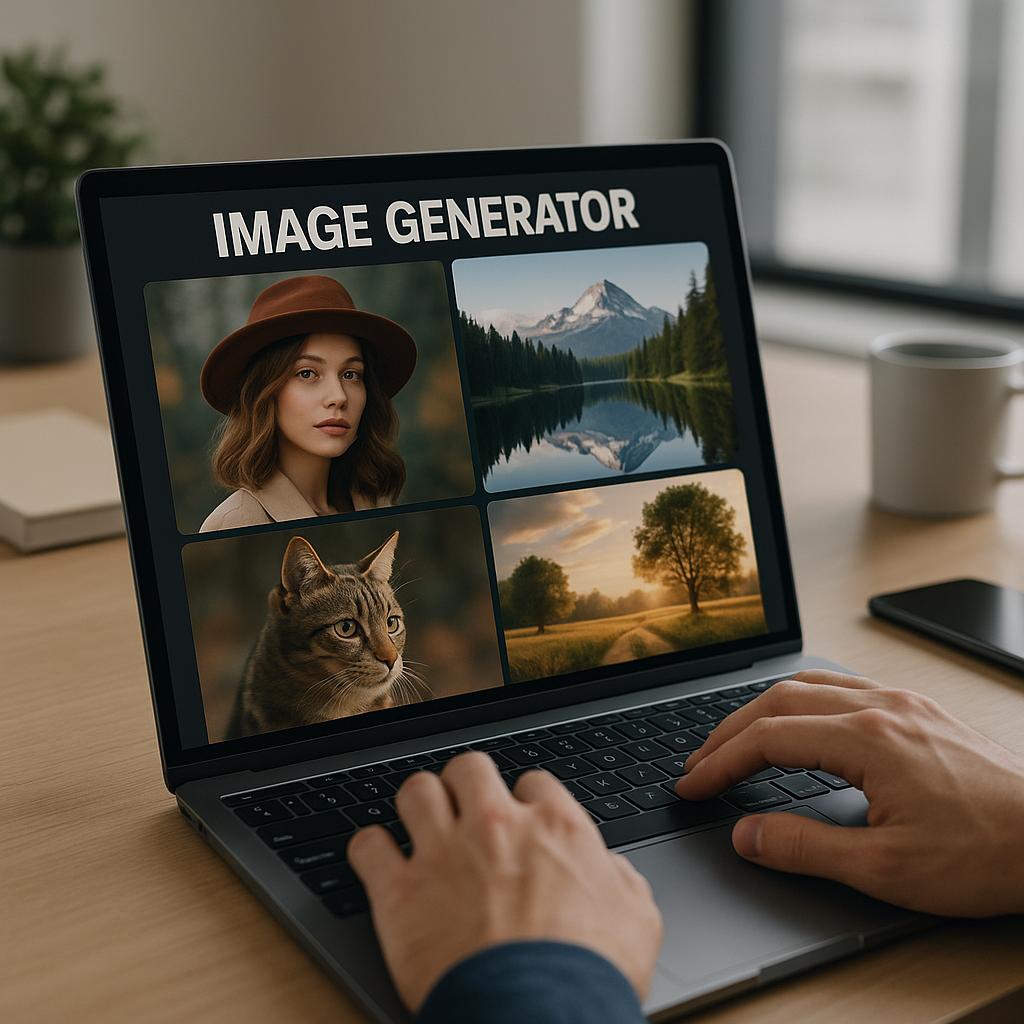
Image Generators
In recent years, the rise of image generators has transformed the landscape of digital art and creativity. These advanced tools, powered by artificial intelligence, have made it easier than ever for individuals and businesses to generate visuals that range from the breathtakingly beautiful to the utterly bizarre. As the technology continues to evolve, it raises important questions about the implications for artists, copyright, and the future of creative expression.
Image generators, often based on sophisticated machine learning models, can create images from scratch or modify existing images based on user inputs. One of the most notable advancements in this field has been the development of Generative Adversarial Networks (GANs), a type of AI that pits two neural networks against each other to produce high-quality images. The first network generates images, while the second evaluates them, providing feedback that allows the first to improve its outputs. This cyclical process has led to impressive strides in the realism and aesthetic appeal of generated images.
Among the most popular image generators available today are DALL-E, Midjourney, and Stable Diffusion. DALL-E, created by OpenAI, gained significant attention for its ability to generate detailed images from textual descriptions, allowing users to simply type a phrase and watch the AI bring it to life. Midjourney has carved out a niche for itself in the realm of artistic expression, allowing users to create visually striking art pieces that reflect various styles and themes. Meanwhile, Stable Diffusion has become a favourite among enthusiasts for its open-source nature, enabling users to experiment and tweak the model for personalised results.
The accessibility of these tools is a game changer. Not only can anyone with a computer and internet connection create stunning images, but these platforms often come with user-friendly interfaces that do not require any technical expertise. This democratization of art creation has led to a surge in content creation across social media platforms such as Instagram and TikTok, where users showcase their AI-generated artwork, often blurring the lines between traditional art and digital design.
However, the proliferation of image generators is not without its controversies. One of the most pressing concerns is the ethical implications surrounding copyright and ownership. As these AI models are trained on vast datasets that include existing artworks, questions arise about whether the creators of the original pieces have any claim to the images produced by these generators. In many cases, the algorithms learn from millions of images, leading to concerns about the potential for unintentional plagiarism or derivative works that could infringe on copyright laws.
In 2022, a landmark case emerged when an AI-generated artwork, created using a system called "Artbreeder," won a contest in the United States. The ruling sparked heated debates about the legal status of AI-generated art and whether machines can possess creativity in the same way humans do. This case has prompted artists and legal experts alike to call for updated copyright laws that address the unique challenges posed by AI-generated content.
The debate extends beyond legal issues, as many traditional artists express concern over the potential devaluation of their work. Some fear that the ease of generating images will lead to an oversupply of art, making it harder for individual artists to find their footing in a competitive marketplace. Critics argue that while AI can produce visually striking images, it lacks the emotional depth and human experience that underpin traditional artistry. This sentiment has sparked conversations about what it means to create art and the role of human intention in the artistic process.
Despite the challenges, image generators also offer exciting opportunities for collaboration and innovation. Many artists are embracing AI as a tool to enhance their creative practice rather than viewing it as a replacement. By using image generators, artists can explore new styles, generate ideas, and push the boundaries of their creative expression. The combination of human creativity and machine intelligence can lead to the creation of artworks that reflect a unique synergy between the two.
Furthermore, businesses are recognising the potential of image generators for marketing and branding purposes. Companies can quickly generate custom visuals for campaigns, social media, and product promotions, significantly reducing the time and costs associated with traditional graphic design. This shift towards automation in the creative industry is likely to continue, as AI technology becomes more refined and integrated into everyday business practices.
As image generators evolve, there are also discussions about the role of ethics and transparency in AI. Developers and companies are urged to implement guidelines that ensure responsible use of these technologies. This includes being transparent about the datasets used to train models, as well as ensuring that users understand the implications of using AI-generated content. Ethical considerations will play a crucial role in shaping the future of image generators and their impact on the creative landscape.
The future of image generators is undoubtedly bright, with ongoing advancements promising even more sophisticated and versatile tools. As these technologies continue to develop, the artistic community will likely adapt and redefine its relationship with AI. While challenges such as copyright concerns and the potential oversaturation of the market remain, the possibilities for creative exploration and innovation are vast.
In conclusion, image generators represent a fascinating intersection of art and technology, sparking both excitement and debate within the creative community. As society navigates the implications of AI-generated content, it will be essential to foster a dialogue that embraces innovation while also addressing the ethical and legal challenges that arise. Ultimately, the evolution of image generators may lead to a richer, more diverse artistic landscape, where human creativity and machine intelligence coexist harmoniously.
Recent Posts
Head-to-Head: Comparing Top AI Models in Работа с Нейросетями and Their Impact
червень 16, 2026
Debunking Myths: The Realities of Работа с Нейросетями and AI Models Today
червень 16, 2026
Unlocking Creativity: A Simple Guide to Using Image Generators for Beginners
червень 16, 2026
Maximum Potential
Отримайте повний досвід із планом Pro
ІНФОРМАЦІЯ