травень 10, 2026
Unleashing Creativity: How Image Generators Transform Digital Artistry in 2023
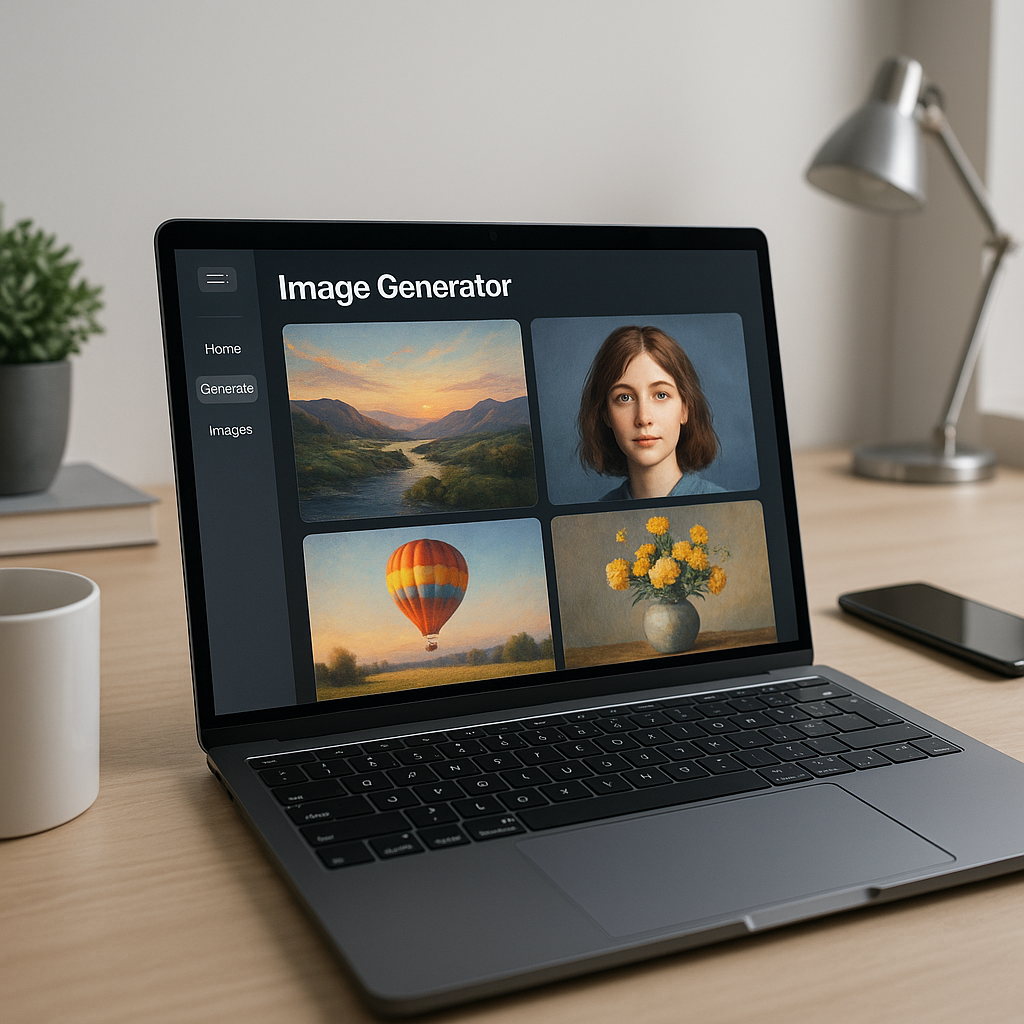
Image Generators
In recent years, image generators powered by artificial intelligence have emerged as a revolutionary force in the realm of digital art and content creation. These advanced tools utilise complex algorithms to produce visually stunning images based on textual prompts, and their popularity has surged among artists, marketers, and the general public alike. As technology continues to evolve, so too does the potential for image generators to reshape creative processes and redefine artistic boundaries.
At the heart of this digital transformation are generative adversarial networks (GANs), a class of machine learning frameworks that have gained traction for their ability to create new content from existing data. GANs operate by employing two neural networks: a generator that creates images and a discriminator that evaluates them. The generator learns to produce more convincing images over time, while the discriminator becomes better at distinguishing between real and generated images. This competitive process results in increasingly sophisticated outputs, allowing users to generate high-quality visuals with minimal input.
One of the most well-known image generators is OpenAI's DALL-E, which has captured the imagination of users worldwide since its debut. DALL-E enables users to create images from textual descriptions, producing unique and often surreal results. For instance, a user might input a phrase like "a cat in a spacesuit," and DALL-E will generate an original image that matches that description. Such capabilities have opened new horizons for creativity, making it easier for individuals and businesses to generate bespoke visuals without the need for extensive artistic skills.
Another notable player in the field is Midjourney, a platform that has gained a dedicated following for its ability to create intricate and aesthetically pleasing images. Midjourney operates through Discord, allowing users to engage with the generator in real-time and refine their inputs based on immediate feedback. This interactive approach has fostered a vibrant community of creatives who share their generated artwork, exchange tips, and inspire one another, further enhancing the appeal of the tool.
As these image generators become more accessible, their applications are expanding across various industries. In advertising, for instance, marketers are leveraging AI-generated images to create compelling visuals for campaigns. The speed and efficiency of image generation allow brands to experiment with multiple concepts quickly, ensuring that they can adapt to changing trends and consumer preferences. Furthermore, the ability to produce bespoke visuals tailored to specific audiences enhances engagement and connection, a vital aspect in today’s competitive market.
In the realm of social media, influencers and content creators are also capitalising on image generation technology. With platforms like Instagram and TikTok placing a premium on eye-catching visuals, having access to unique and creative imagery can significantly boost a user's online presence. By utilising image generators, creators can produce a steady stream of original content, keeping their feeds fresh and engaging without the need for professional photography or graphic design skills.
However, the rise of image generators is not without its challenges. As the technology becomes more sophisticated, questions surrounding copyright and ownership of generated images are increasingly coming to the forefront. When an AI creates an image based on a user's prompt, who owns the rights to that image? This ambiguity poses significant legal and ethical dilemmas, particularly as businesses begin to rely on AI-generated content for commercial purposes. Industry experts are calling for clearer guidelines and frameworks to address these concerns, ensuring that creators’ rights are protected while fostering innovation in the field.
Moreover, the potential for misuse of image generators raises further ethical considerations. The ability to create hyper-realistic images can be exploited for nefarious purposes, such as generating misleading information or deepfakes. This aspect has prompted calls for greater transparency and responsibility from developers and users of image generation technology. Implementing safeguards to prevent the spread of disinformation while still allowing for creative expression will be a crucial balancing act moving forward.
Despite these challenges, the positive implications of image generators cannot be understated. They are democratising art creation, allowing individuals from diverse backgrounds to express their creativity without the constraints of traditional artistic training. This shift towards inclusivity is particularly significant in an age where representation and diversity in the arts are paramount. By providing tools that empower everyone to create, image generators are fostering a richer, more varied digital landscape.
Looking ahead, the future of image generators appears bright. As advancements in AI technology continue to unfold, we can expect improvements in the quality and complexity of generated images. Moreover, the integration of image generation with other emerging technologies, such as virtual reality and augmented reality, may lead to entirely new forms of artistic expression and interaction. Imagine walking through a virtual gallery filled with AI-generated artworks tailored to your tastes, or using augmented reality to project personalised art into your physical space.
As image generators evolve, so too must our understanding of their capabilities and limitations. Engaging with these tools thoughtfully and ethically will be essential in harnessing their potential while mitigating risks. By fostering a culture of responsible use, we can embrace the exciting opportunities that image generators present while ensuring that the integrity of artistic creation remains intact.
In conclusion, image generators represent a significant leap forward in the intersection of technology and creativity. Their ability to produce stunning visuals from simple text prompts is changing the way artists, marketers, and everyday users approach image creation. While challenges such as copyright issues and ethical concerns must be navigated, the overall impact of these tools is largely positive. As we continue to explore the possibilities of AI in the creative realm, one thing is clear: the future of art is not just in the hands of traditional artists but is also being shaped by the ingenuity of technology.
Recent Posts
Head-to-Head: Comparing Top AI Models in Работа с Нейросетями and Their Impact
червень 16, 2026
Debunking Myths: The Realities of Работа с Нейросетями and AI Models Today
червень 16, 2026
Unlocking Creativity: A Simple Guide to Using Image Generators for Beginners
червень 16, 2026
Maximum Potential
Отримайте повний досвід із планом Pro
ІНФОРМАЦІЯ