February 28, 2026
Unlock Your Creativity: 10 Best Image Generators Transforming Digital Art in 2023
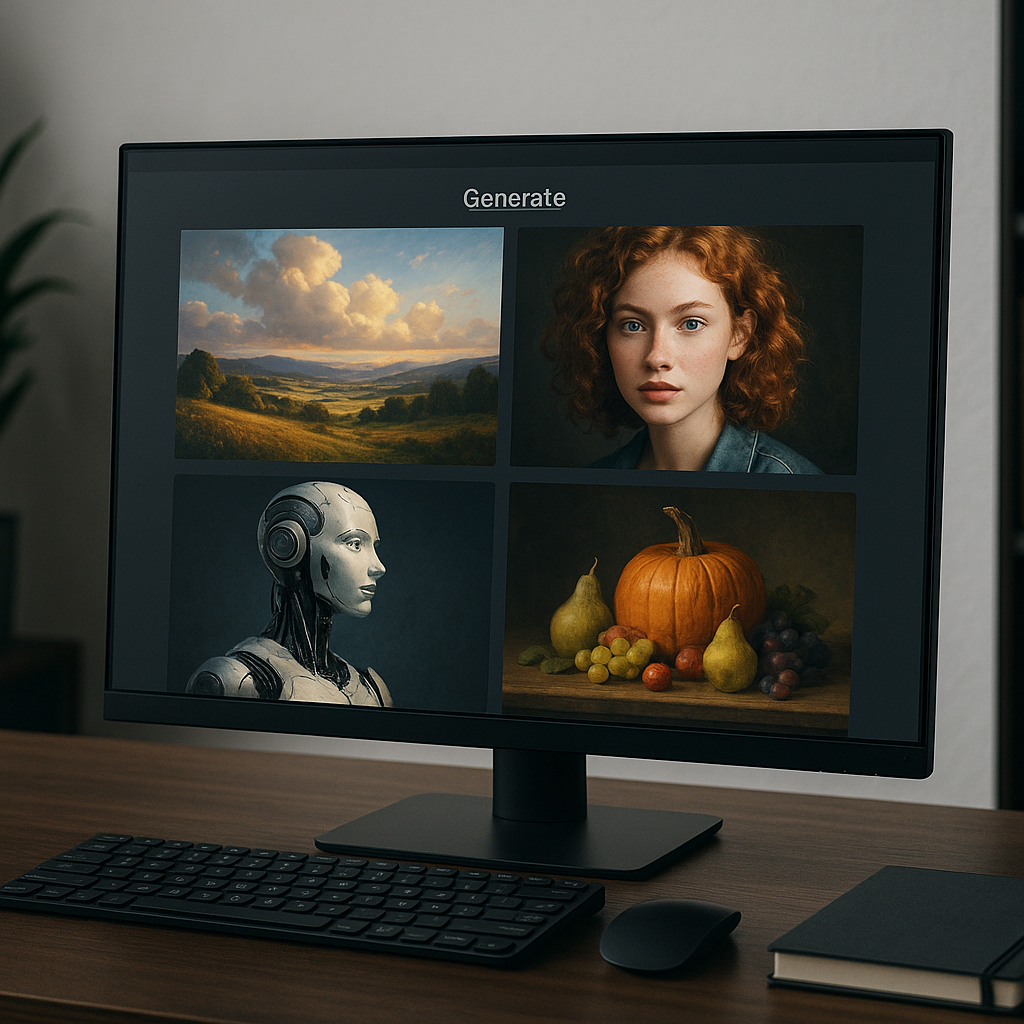
Image Generators
In recent years, image generators have surged in popularity, revolutionizing the way we create and consume visual content. Powered by advanced artificial intelligence (AI) algorithms, these tools enable users to generate stunning images from simple text prompts or other input forms. As technology continues to evolve, image generators are finding applications across various fields, from art and design to marketing and entertainment.
At the heart of this technological shift is a subset of AI known as deep learning, particularly Generative Adversarial Networks (GANs) and diffusion models. GANs consist of two neural networks—the generator and the discriminator—working in tandem. The generator creates images, while the discriminator evaluates their authenticity. This back-and-forth process allows the generator to improve its output continually, producing increasingly realistic images over time.
Diffusion models, on the other hand, take a different approach by gradually transforming a pattern of noise into a coherent image. This method has gained traction for its ability to generate high-quality images with intricate details, making it a preferred choice for many modern image generation applications.
One of the most notable advancements in image generation technology is OpenAI's DALL-E, which gained widespread attention for its ability to create high-resolution images from textual descriptions. Users can input detailed prompts, and the model produces unique and often surreal images that reflect the input. For instance, asking DALL-E to create "an astronaut riding a horse in a futuristic city" results in a striking visual representation that blends elements of fantasy and reality.
Following DALL-E's success, several other platforms have emerged, including Midjourney and Stable Diffusion. Midjourney focuses on artistic interpretations, often producing images with a painterly quality that appeals to artists and designers. Stable Diffusion, on the other hand, is open-source, allowing developers to customize and fine-tune the model for various applications. This openness has fostered a vibrant community of creators who are pushing the boundaries of what image generators can achieve.
The applications of image generators are vast and varied. In the realm of art, artists leverage these tools to explore new creative avenues, generating inspiration or even complete works based on AI-generated visuals. Some artists have embraced the technology as a collaborative partner, blending their unique styles with the capabilities of machine-generated art.
In marketing and advertising, companies are harnessing image generators to create eye-catching visuals for campaigns. Instead of relying solely on traditional photoshoots, brands can quickly produce tailored content that resonates with their target audiences. This not only saves time and resources but also enables marketers to test different concepts and visuals without the need for extensive production processes.
Moreover, the gaming industry is experiencing a surge in the use of image generators for character design, environment creation, and even storyline development. Developers can generate assets on the fly, allowing for more dynamic and adaptable game environments. This capability enhances the gaming experience, providing players with unique visuals that can change and evolve based on their actions.
Despite the excitement surrounding image generators, the technology is not without its challenges and controversies. Concerns regarding copyright and intellectual property rights have surfaced as artists question the implications of using AI-generated content. Since these models often learn from existing artworks, there is an ongoing debate about whether the creators of the original works should have a say in how their styles are used or if they should receive compensation for the derivative works created by AI.
Additionally, the potential for misuse remains a significant concern. Image generators can create hyper-realistic images that may be used in misleading or harmful ways, such as generating fake news or deepfakes. The capacity to produce convincing yet false representations raises ethical questions about the responsibility of developers and users to ensure the technology is used for constructive purposes.
As image generation technology continues to advance, the dialogue around its ethical implications will undoubtedly evolve. Developers are increasingly being urged to implement safeguards and guidelines to mitigate misuse and ensure that the technology serves the greater good. Transparency in how these models are trained and what data they use is becoming essential in fostering trust among users and creators alike.
Looking ahead, the future of image generators appears promising. As AI continues to improve, we can expect even more sophisticated tools that can generate images with greater detail, realism, and creativity. The integration of augmented reality (AR) and virtual reality (VR) could further enhance the capabilities of image generators, allowing users to create immersive experiences that blend the digital and physical worlds.
In education, these tools hold the potential to transform learning experiences, enabling students to visualize complex concepts through generated imagery. This could be especially beneficial in fields such as science, history, and art, where visual aids can enhance understanding and retention.
Furthermore, as the technology becomes more accessible, we may see an influx of new voices in the creative community. Image generators lower the barriers to entry, allowing individuals without formal training in art or design to express their ideas visually. This democratization of creativity could lead to a rich tapestry of diverse perspectives and expressions, further enriching the cultural landscape.
Ultimately, image generators are reshaping the way we think about creativity and visual communication. As these technologies become more integrated into our daily lives, they offer exciting opportunities and challenges that will require ongoing dialogue and thoughtful consideration. Balancing innovation with ethical responsibility will be crucial in harnessing the power of image generators to benefit society as a whole.
Recent Posts
Breakthrough in Neural Networks: How New AI Models Revolutionize Global Tech
June 16, 2026
Head-to-Head: Comparing Neural Network Models and Their Impact on AI Work Today
June 16, 2026
New Breakthrough in Image Generators Promises to Revolutionize Artistic Expressi...
June 16, 2026
Maximum Potential
Get the full experience with Pro Plan
INFORMATION