January 22, 2026
Unlock Your Creativity: Discover the Top Image Generators Transforming Art in 2023
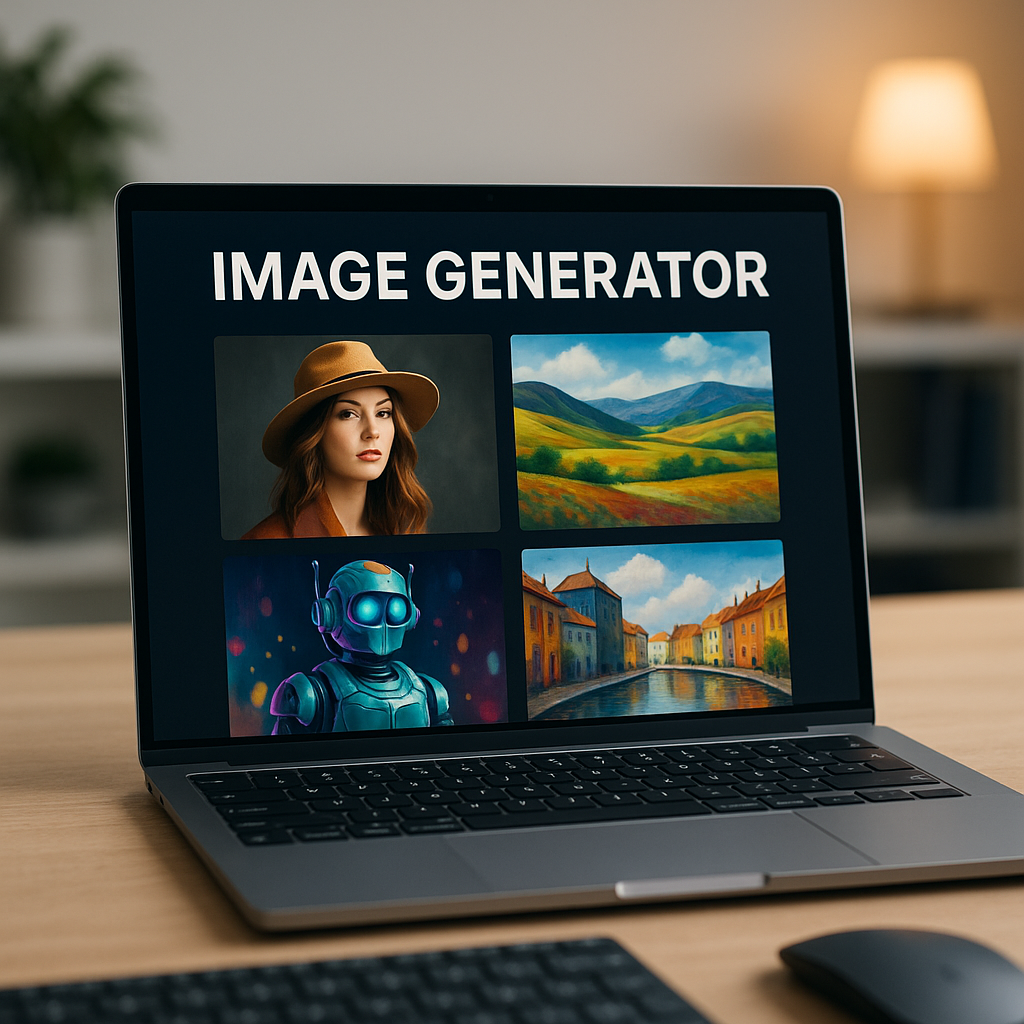
Image Generators
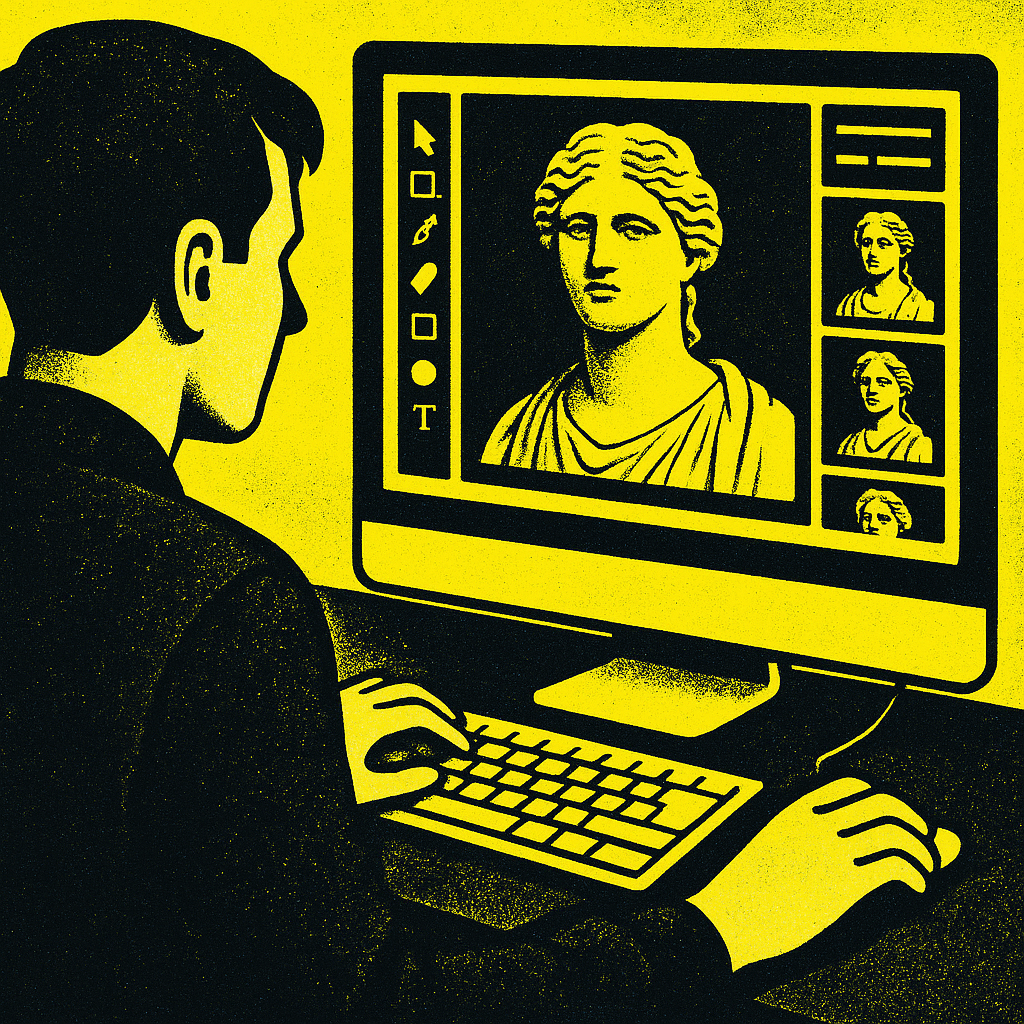
In recent years, the digital landscape has witnessed a remarkable transformation fueled by advancements in artificial intelligence, particularly in the realm of image generation. These sophisticated tools, often referred to as image generators, have become widely accessible, enabling even amateur creators to produce stunning visuals with minimal effort. From art and advertising to education and entertainment, the applications of image generators are vast and varied, raising both excitement and concerns about their implications for creativity and authenticity.
Image generators leverage complex algorithms and neural networks to create images based on textual prompts or learned patterns from existing visuals. One of the most prominent examples is OpenAI's DALL-E, which gained widespread attention for its ability to generate detailed images from simple text descriptions. Users can input anything from "a two-headed flamingo" to "a futuristic cityscape," and the tool will produce a unique image that reflects the prompt. Other notable platforms include Midjourney and Stable Diffusion, each bringing its own flair and style to the image generation process.
The technology behind these image generators relies on deep learning, a subset of machine learning that mimics the way the human brain processes information. During the training phase, these models analyze vast datasets of images and their corresponding descriptions, enabling them to learn the relationships between textual cues and visual representation. As a result, they can create images that not only align with the given prompts but also exhibit artistic flair, often blurring the lines between traditional art and machine-generated content.
One of the most exciting aspects of image generators is their democratization of creativity. Artists, graphic designers, and hobbyists are increasingly turning to these tools to brainstorm ideas, enhance their creative processes, or even generate final products. For instance, a graphic designer might use an image generator to visualize concepts quickly, allowing them to present a wider range of ideas to clients in a fraction of the time it would take through traditional methods. This has the potential to revolutionize industries such as advertising, where rapid iterations and fresh ideas are crucial for staying relevant in a fast-paced market.
Moreover, image generators have opened new avenues for artistic expression. Artists can experiment with styles and compositions that they may not have explored otherwise. By combining their creativity with the capabilities of AI, they can produce hybrid pieces that marry human intuition with machine efficiency. This new form of collaboration between artists and technology is redefining what it means to create, pushing the boundaries of traditional art forms.
However, the rise of image generators does not come without its challenges and controversies. One of the most significant concerns is the issue of copyright and ownership. As these AI systems learn from vast datasets, they often draw inspiration from existing artworks, leading to questions about whether the generated images infringe on the rights of original creators. Legal frameworks surrounding intellectual property are still grappling with how to address these challenges, leaving many artists uncertain about their rights in an era where machines can mimic their styles with ease.
Additionally, there are ethical considerations surrounding the use of image generators, particularly when it comes to the potential for misinformation and manipulation. The ability to create hyper-realistic images that can be indistinguishable from reality raises concerns about their use in misleading contexts, such as deepfakes or the spread of false information. As the technology evolves, ensuring responsible usage and ethical guidelines becomes imperative to prevent misuse that could harm individuals, communities, or industries.
In response to these challenges, some companies and organizations are actively working to establish guidelines and best practices for the responsible use of image generators. Initiatives aimed at fostering transparency in the creation process, attributing sources, and ensuring ethical usage are gaining traction. For instance, platforms are beginning to implement features that allow users to disclose when an image has been generated by AI, promoting awareness and accountability.
Furthermore, as the technology continues to advance, image generators are likely to evolve in sophistication. Future iterations may include improved contextual understanding, enabling them to generate more nuanced and complex images that reflect deeper meanings or themes. This could enhance their applications in fields such as education, where educators could use AI-generated visuals to explain complex concepts or engage students in interactive learning experiences.
The potential for collaboration between human creativity and AI-driven technology is vast and largely untapped. As more people explore the capabilities of image generators, we may witness the emergence of new art forms, innovative storytelling techniques, and entirely new genres of visual content. The intersection of technology and creativity holds the promise of enriching cultural landscapes and inspiring future generations of artists.
In conclusion, image generators represent a significant leap forward in the intersection of art and technology. While they offer exciting opportunities for creativity and expression, they also pose challenges that require careful consideration and proactive measures. As society navigates this new digital frontier, a balanced approach that embraces innovation while safeguarding the rights of creators and ensuring ethical usage will be essential. The future of image generation is not just about what machines can create, but also about how humans choose to engage with this remarkable technology.
Recent Posts
Breakthrough in Neural Networks: How New AI Models Revolutionize Global Tech
June 16, 2026
Head-to-Head: Comparing Neural Network Models and Their Impact on AI Work Today
June 16, 2026
New Breakthrough in Image Generators Promises to Revolutionize Artistic Expressi...
June 16, 2026
Maximum Potential
Get the full experience with Pro Plan
INFORMATION