February 17, 2026
Unlock Your Creativity: Exploring the Rise of Image Generators in Digital Art
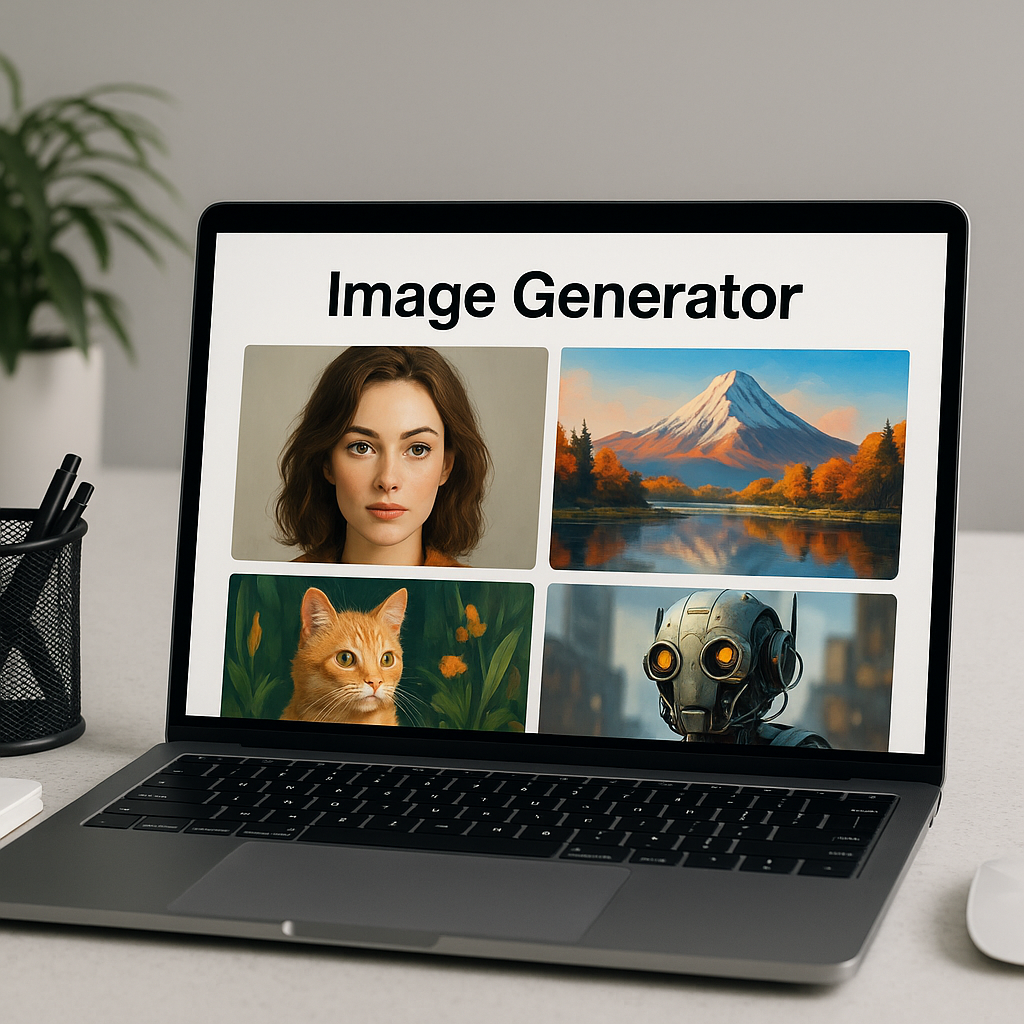
Image Generators
In recent years, image generators have revolutionized the way digital art is created and consumed. These advanced software tools, powered by artificial intelligence (AI) and machine learning, have enabled both professional artists and casual users to produce compelling images with unprecedented ease and speed. The rise of image generators has not only democratized access to artistic creation but has also sparked debates about creativity, originality, and the implications of AI in the creative industries.
Image generators utilize algorithms to create visual content based on user inputs. This input can range from simple text prompts to complex parameters defining style, color palette, and composition. The most sophisticated of these generators employ deep learning techniques, particularly generative adversarial networks (GANs), which consist of two neural networks—the generator and the discriminator—that work against each other to produce high-quality images.
One of the most prominent examples of this technology is OpenAI's DALL-E, which gained significant attention for its ability to generate highly detailed images from textual descriptions. Users can type in phrases like "a two-headed flamingo wearing a top hat," and DALL-E will create unique images that match the description. The results can be astonishingly lifelike or whimsically abstract, showcasing the versatility of AI in artistic expression.
Another noteworthy platform is Midjourney, which has made waves in the creative community for its focus on artistry and style. Midjourney allows users to create images that reflect a wide range of artistic movements, from impressionism to surrealism. Its community-driven approach also encourages collaboration and sharing, leading to a vibrant ecosystem where artists can inspire each other through AI-generated art.
The accessibility of these tools has opened doors for individuals who may not have traditional artistic training. Aspiring creators can experiment with their ideas without the steep learning curve associated with software like Adobe Photoshop or Illustrator. This has resulted in a surge of creativity across social media platforms, where users share their AI-generated works, often leading to viral trends and challenges.
However, the rise of image generators has not come without controversy. Concerns have been raised about the implications of AI-generated art on the traditional art world. Critics argue that the ease of generating images may devalue the skills of human artists, leading to a saturation of creative content that lacks depth and authenticity. Furthermore, the question of ownership and copyright becomes increasingly complex as AI-generated images blur the lines of authorship.
For instance, if an artist uses an image generator to create a work, who owns the rights to that image? Is it the user who provided the input, the developers of the AI, or the AI itself? These questions are still being debated in legal and artistic circles, as lawmakers grapple with how to regulate AI-generated content in a way that protects both creators and consumers.
Moreover, ethical considerations surrounding the use of AI in art cannot be overlooked. The datasets used to train these models often include images scraped from the internet without the consent of the original creators. This raises significant ethical dilemmas regarding the appropriation of artistic styles and the potential for copyright infringement. As the technology continues to evolve, it is imperative for the industry to establish clear guidelines and practices that respect the rights of human artists while fostering innovation.
Despite the challenges, the potential of image generators is undeniable. Many artists are beginning to embrace these tools as collaborators rather than competitors. By using AI to generate initial concepts or explore new styles, artists can push the boundaries of their creativity. This hybrid approach combines the best of human intuition and machine efficiency, resulting in innovative artworks that might not have been possible otherwise.
In addition to individual artists, businesses and industries are also leveraging image generators for various applications. Marketing teams use these tools to create eye-catching visuals for campaigns, while game developers can generate assets and environments that enhance the gaming experience. As the technology becomes more refined, the potential applications are only expected to grow, leading to new ways of storytelling and visual communication.
Furthermore, the educational potential of image generators should not be overlooked. Art schools and programs are beginning to incorporate AI tools into their curricula, teaching students how to use these technologies responsibly and creatively. By understanding both the capabilities and limitations of AI, future artists can develop a nuanced approach to their work that integrates traditional techniques with cutting-edge technology.
The future of image generators is exciting and fraught with challenges. As technology continues to advance, it is essential for creators, technologists, and policymakers to engage in an ongoing dialogue about the implications of AI in art. By addressing the ethical, legal, and creative issues that arise, we can ensure that this powerful tool is used to enhance creativity rather than diminish it.
In conclusion, image generators are reshaping the landscape of art and creativity in profound ways. From providing new avenues for artistic expression to raising critical questions about ownership and ethics, these tools are both a boon and a challenge for the creative community. As we navigate this new frontier, the key will be finding a balance that respects human creativity while embracing the potential of artificial intelligence.
Recent Posts
Breakthrough in Neural Networks: How New AI Models Revolutionize Global Tech
June 16, 2026
Head-to-Head: Comparing Neural Network Models and Their Impact on AI Work Today
June 16, 2026
New Breakthrough in Image Generators Promises to Revolutionize Artistic Expressi...
June 16, 2026
Maximum Potential
Get the full experience with Pro Plan
INFORMATION