квітень 7, 2026
Unlock Your Creativity: How Image Generators Are Revolutionising Art in 2023
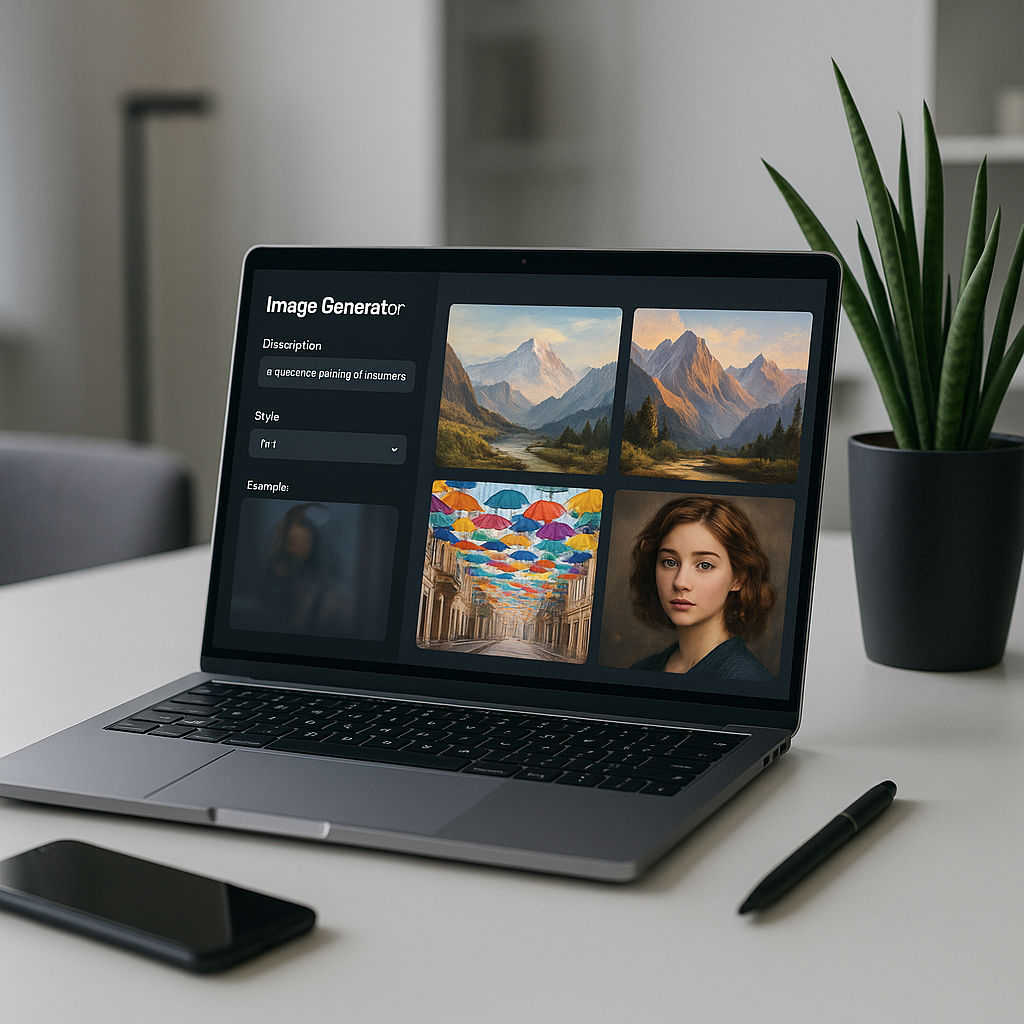
Image Generators
In recent years, the rise of image generators powered by artificial intelligence has transformed the landscape of digital art and visual content creation. These advanced tools, which leverage deep learning algorithms to produce stunning images from textual prompts, have captured the attention of artists, designers, and tech enthusiasts alike. With their ability to create intricate visuals at an unprecedented speed, image generators are not only reshaping creative processes but also raising important questions about originality, copyright, and the future of artistic expression.
At the heart of this technological revolution are generative adversarial networks (GANs) and diffusion models. GANs consist of two neural networks: a generator that creates images and a discriminator that evaluates them. This back-and-forth process allows the generator to improve its output over time, producing increasingly realistic images. On the other hand, diffusion models work by gradually transforming a random noise image into a coherent visual representation, guided by a textual description. Both approaches have led to the development of highly sophisticated image generators capable of producing artwork that rivals human-created pieces.
One of the most notable examples of an image generator is OpenAI's DALL-E, which has gained immense popularity for its ability to generate imaginative and often surreal images from textual prompts. Users can input phrases like "an armchair in the shape of an avocado," and within moments, DALL-E produces a series of visually striking interpretations of that concept. Such capabilities have not only sparked creativity among individuals but have also opened new avenues for commercial applications, from advertising to video game design.
Another prominent player in this field is Midjourney, which has garnered a loyal following for its unique aesthetic and user-friendly interface. Artists and designers are increasingly turning to Midjourney for inspiration, using the platform to brainstorm ideas or create mood boards. The ability to quickly visualise concepts allows for a more dynamic creative process, enabling professionals to explore multiple directions in a fraction of the time it would typically take.
The implications of these tools extend beyond mere convenience. They challenge traditional notions of authorship and creativity. As AI-generated images become more prevalent, the question of who owns the rights to these creations emerges. If an image generator produces a piece based on a user’s prompt, does the user hold the copyright, or does it belong to the developers of the AI? This legal murkiness has prompted discussions among artists, legal experts, and policymakers about how to navigate the evolving landscape of intellectual property in the age of AI.
Furthermore, the ethical considerations surrounding image generators cannot be overlooked. The potential for misuse exists, with the technology capable of creating deepfakes or misleading imagery. These concerns are amplified by the speed at which images can be generated, raising alarms about misinformation and the erosion of trust in visual media. As a result, some advocates are calling for the establishment of ethical guidelines and regulations to govern the use of AI in creative fields.
Despite these challenges, the positive aspects of image generators are undeniable. They democratise art creation, allowing individuals without formal training to explore their creative potential. For instance, hobbyists can experiment with design concepts or generate illustrations for personal projects without the need for extensive artistic skills. This accessibility fosters a more inclusive environment where diverse voices can contribute to the visual landscape.
Moreover, image generators can serve as powerful tools for professional artists. Many have begun to incorporate these technologies into their workflows, using AI-generated images as a starting point or inspiration for their own creations. This synergy between human creativity and machine intelligence can lead to innovative outcomes, blending the best of both worlds. Artists argue that rather than replacing human creativity, these tools can enhance it, allowing for new forms of expression and exploration.
The art world is also witnessing an increasing number of exhibitions featuring AI-generated works. Galleries and museums are beginning to showcase pieces created by image generators, inviting discussions about the nature of art in the digital age. Some critics argue that AI-generated art lacks the emotional depth and intention behind human-created works, while others contend that the novelty and complexity of these pieces offer their own form of artistic merit. This ongoing dialogue reflects a broader cultural shift in how we perceive and value creativity.
As image generators continue to evolve, the technology is likely to become even more sophisticated, with enhancements in realism, style variety, and user interactivity. Companies are investing heavily in research and development to improve the capabilities of these tools, ensuring that they remain at the forefront of creative technology. It is also anticipated that future iterations will allow for even greater customisation, enabling users to fine-tune the generated images to better align with their vision.
In educational settings, image generators are being integrated into art and design curricula, providing students with innovative ways to explore visual communication. By incorporating AI into their studies, students can learn to navigate the complexities of technology in art, preparing them for careers in an increasingly digital landscape. This fusion of technology and creativity is likely to become a cornerstone of future artistic practices.
As we look ahead, the future of image generators is both exciting and uncertain. While they hold immense potential for creativity and innovation, the challenges they present in terms of ethics and ownership will require careful consideration and proactive measures. The dialogue surrounding these technologies will continue to evolve, reflecting broader societal changes as we grapple with the implications of artificial intelligence in our lives.
In conclusion, image generators represent a significant advancement in the intersection of technology and art, offering new tools and opportunities for creativity. As they become more integrated into our cultural fabric, it is essential to engage in thoughtful discussions about their impact, ensuring that we harness their potential while addressing the accompanying challenges. The journey of AI in the creative sector is just beginning, and its trajectory will undoubtedly shape the future of artistic expression for years to come.
Recent Posts
Head-to-Head: Comparing Top AI Models in Работа с Нейросетями and Their Impact
червень 16, 2026
Debunking Myths: The Realities of Работа с Нейросетями and AI Models Today
червень 16, 2026
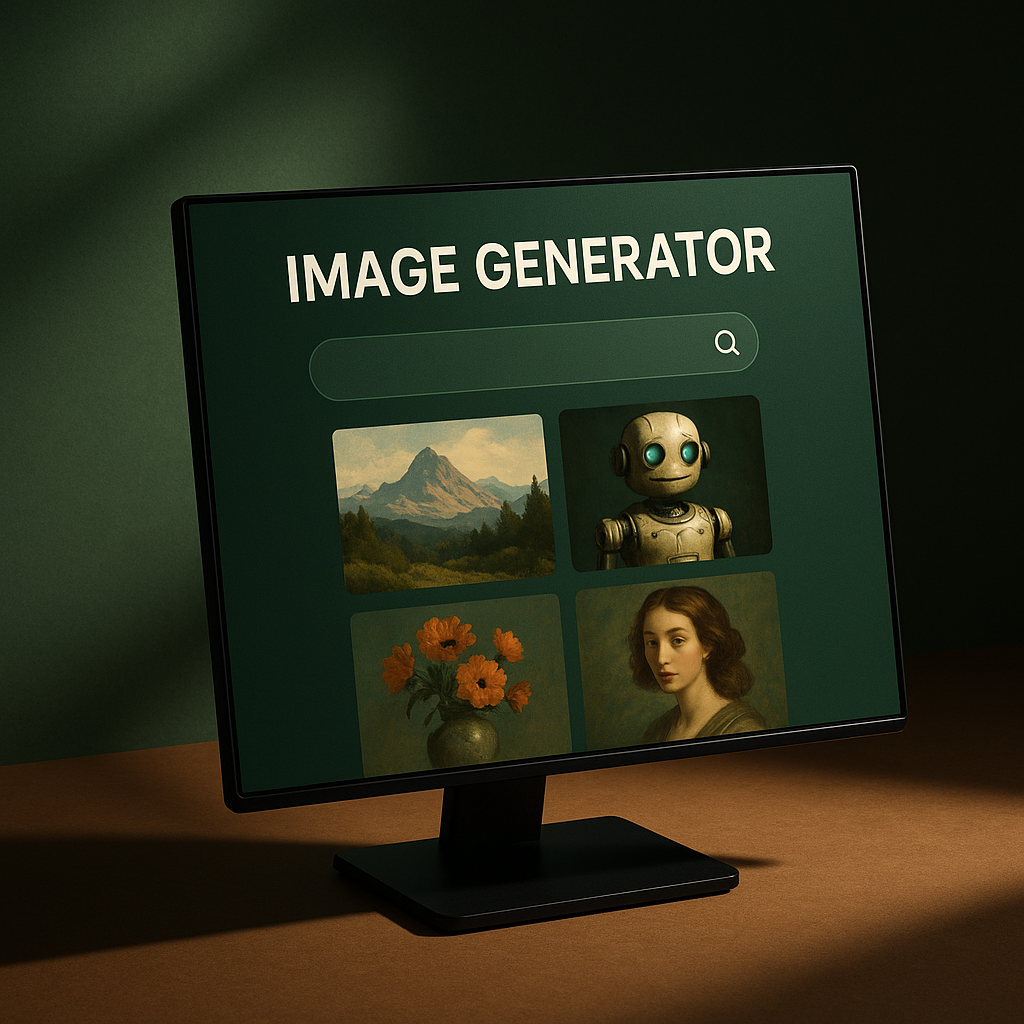
Unlocking Creativity: A Simple Guide to Using Image Generators for Beginners
червень 16, 2026
Maximum Potential
Отримайте повний досвід із планом Pro
ІНФОРМАЦІЯ