квітень 2, 2026
Unlock Your Creativity: How Image Generators are Revolutionising Art in 2023
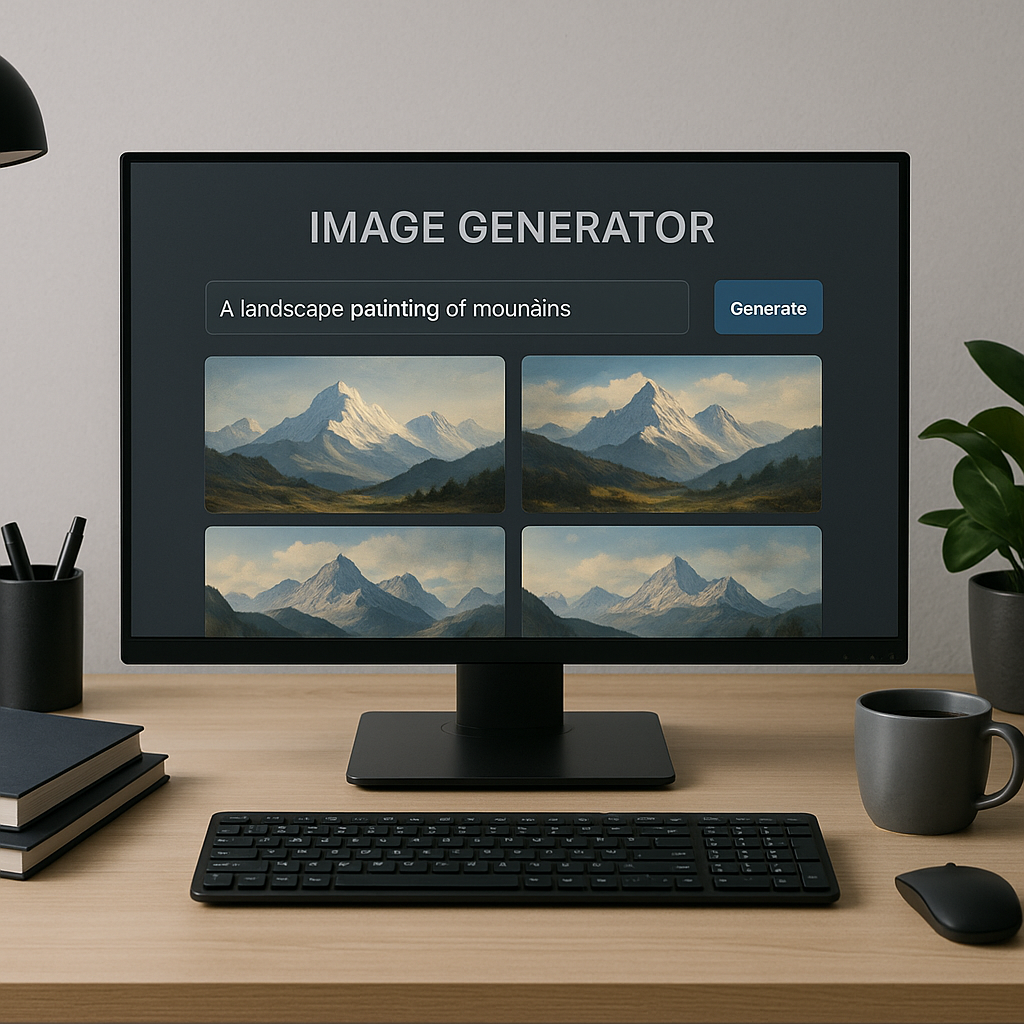
Image Generators
In recent years, image generators have surged in popularity, transforming the landscape of creative industries and personal expression. These sophisticated applications, powered by artificial intelligence, allow users to create images from textual descriptions, generating visuals that range from photorealistic to fantastical. The implications of this technology are vast, affecting everything from digital art to marketing, and even influencing the way we perceive and interact with the visual world.
At the heart of this phenomenon lies generative adversarial networks (GANs) and other machine learning methodologies that have advanced significantly over the past decade. GANs consist of two neural networks: a generator that creates images and a discriminator that evaluates their authenticity. Through a process of continuous feedback and learning, these systems improve their output, producing increasingly sophisticated images that can mimic the styles of renowned artists or create entirely new visual languages.
One of the most talked-about image generators is OpenAI's DALL-E, which has captured the imagination of both the public and professionals alike. DALL-E can generate images based on specific prompts, enabling users to create artwork that aligns closely with their vision. This capability has not only democratized art creation, allowing those with little artistic skill to produce compelling visuals, but it has also sparked a debate over the value of human creativity versus machine-generated content.
The accessibility of these tools has led to a surge in their use across various fields. In advertising, for instance, brands are increasingly turning to image generators to produce unique marketing materials quickly and at a fraction of the cost of traditional methods. This shift has the potential to transform how companies approach branding and visual storytelling, allowing for rapid experimentation with aesthetics and messaging.
In the realm of entertainment, the implications are equally significant. Filmmakers and game developers are exploring the use of image generators to conceptualise characters, settings, and even entire scenes. This not only streamlines the pre-production process but also introduces a level of creativity that might not have been possible through human artists alone. By leveraging AI, creators can push the boundaries of imagination, developing visually rich narratives that captivate audiences.
However, the rise of image generators is not without its controversies. Critics argue that the proliferation of AI-generated images can lead to a devaluation of traditional artistic skills and could potentially undermine the livelihoods of professional artists. As these tools become more sophisticated, the line between human and machine-generated art blurs, raising questions about authorship and intellectual property. Who owns an image created by an AI? Is it the programmer, the user, or the AI itself? These legal and ethical dilemmas are still being navigated, and as the technology evolves, so too will the discussions surrounding it.
Moreover, there are concerns about the potential misuse of image generators. The ability to create realistic images at scale opens the door to misinformation, particularly in the age of social media. Deepfakes, a form of synthetic media where a person's likeness is superimposed onto another's, have already demonstrated the potential dangers of this technology. As image generators become more accessible, the risk of creating misleading images that can manipulate public perception or spread false narratives increases significantly.
In response to these challenges, various stakeholders are advocating for the establishment of ethical guidelines and regulations surrounding the use of image generation technology. Initiatives aimed at promoting transparency in AI-generated content are gaining traction, encouraging users and creators to disclose when images are created using AI. This transparency is essential for maintaining trust in visual media and ensuring that audiences can distinguish between genuine and artificially created imagery.
As the technology matures, the future of image generation looks promising yet complex. Innovations continue to emerge, with companies like Midjourney and Stability AI providing alternative platforms that allow users to explore new creative possibilities. These advancements are not just about creating pretty pictures; they are reshaping the very foundations of creativity, challenging our notions of art, originality, and the role of technology in the creative process.
Furthermore, education is evolving in tandem with these technological advancements. Art schools and creative institutions are beginning to incorporate AI training into their curricula, preparing the next generation of artists to work alongside these powerful tools. By equipping students with the skills to harness AI responsibly and creatively, educators are acknowledging the importance of blending traditional art techniques with modern technology.
The dialogue around image generators is likely to persist as the technology continues to evolve. As society grapples with the implications of these tools, it is crucial to foster a balanced view that appreciates the benefits of AI while remaining vigilant about its potential pitfalls. Embracing image generation as a collaborative tool rather than a replacement for human creativity could lead to exciting new forms of artistic expression that enrich our cultural landscape.
In conclusion, image generators represent a significant leap forward in the intersection of technology and creativity. While they hold the promise of enhancing artistic expression and revolutionising various industries, they also present ethical challenges that must be carefully considered. As we navigate this new frontier, it is essential to approach the integration of AI into creative practices with a sense of responsibility, ensuring that the human touch remains at the heart of our visual culture.
Recent Posts
Head-to-Head: Comparing Top AI Models in Работа с Нейросетями and Their Impact
червень 16, 2026
Debunking Myths: The Realities of Работа с Нейросетями and AI Models Today
червень 16, 2026
Unlocking Creativity: A Simple Guide to Using Image Generators for Beginners
червень 16, 2026
Maximum Potential
Отримайте повний досвід із планом Pro
ІНФОРМАЦІЯ