квітень 27, 2026
Unlock Your Creativity: How Image Generators are Revolutionising Digital Art
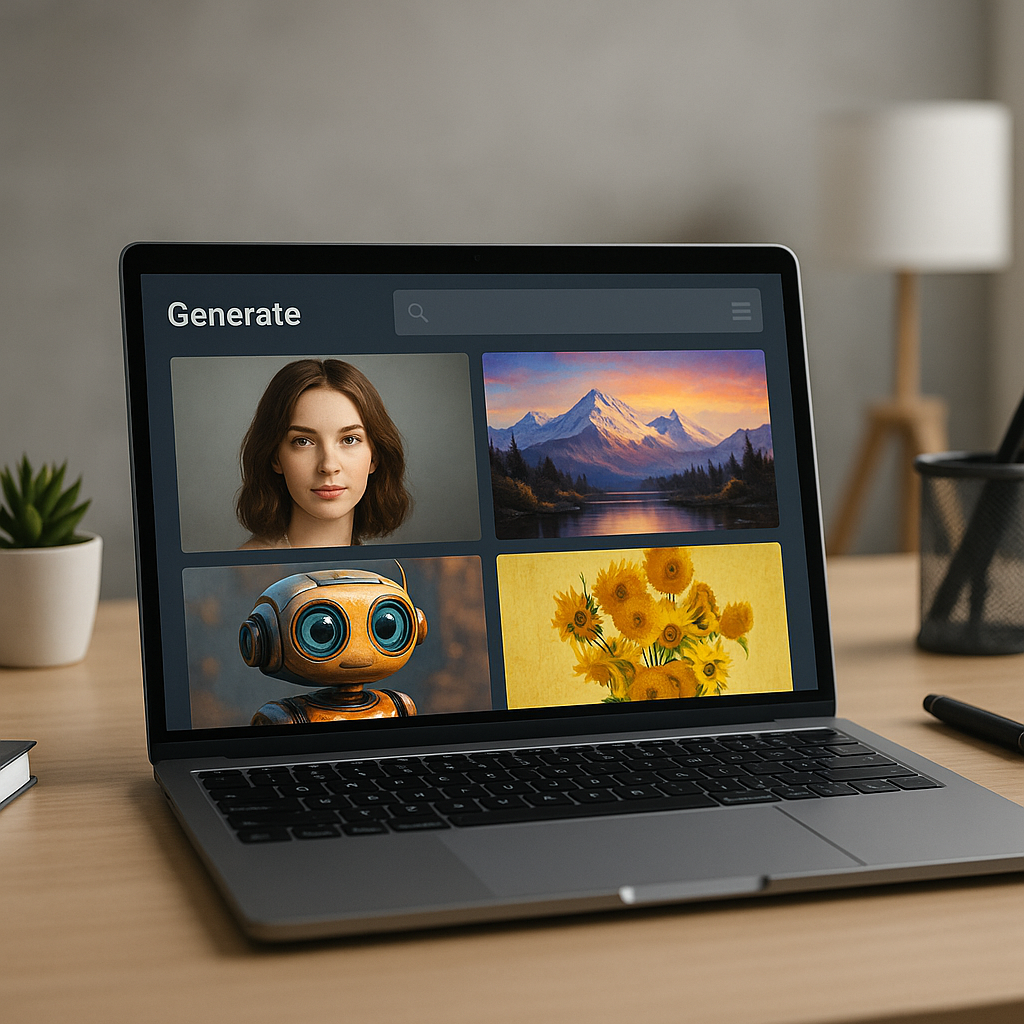
Image Generators
In recent years, the rise of image generators has transformed the landscape of digital art and design, offering both professional creators and amateur enthusiasts the tools to generate stunning visuals with remarkable ease. These technologies, powered by artificial intelligence and machine learning algorithms, have captured the attention of businesses, artists, and the general public alike, paving the way for new creative possibilities and commercial applications.
Image generators, which include platforms like DALL-E, Midjourney, and Stable Diffusion, harness the power of neural networks to create images from textual descriptions. Users can input simple phrases or complex prompts, and the generator interprets these inputs to produce unique images that reflect the intended themes and concepts. This process not only streamlines the creative workflow but also democratizes art creation, allowing individuals without traditional artistic skills to express their visions visually.
One of the most notable aspects of this technology is its ability to generate highly detailed and imaginative artwork. For instance, a user might type "a futuristic cityscape at sunset" and receive a vibrant, intricate image that captures the essence of the prompt. The technology can blend styles, emulate famous artists, or create entirely new aesthetics, making it a versatile tool for various applications, from marketing materials to social media content.
The impact of image generators extends beyond individual creators. Businesses are increasingly adopting these tools to enhance their branding and marketing efforts. By quickly generating high-quality visuals tailored to specific campaigns, companies can maintain a competitive edge in an increasingly visual marketplace. For example, a fashion retailer might use an image generator to create digital lookbooks featuring clothing items styled in various environments, thereby appealing to different target demographics without the need for extensive photoshoots.
Moreover, the entertainment industry has begun to explore the potential of image generators in the realms of film, video games, and advertising. Concept artists can leverage these technologies to brainstorm ideas and visualize scenes more rapidly than traditional methods allow. This capability can significantly reduce the time and costs associated with pre-production, enabling studios to allocate resources more effectively.
Despite the numerous advantages, the rise of image generators has not been without controversy. Concerns about copyright infringement and the ethical implications of AI-generated art have sparked heated debates among artists, technologists, and policymakers. Many artists worry that the proliferation of AI-generated images may devalue their work or lead to a saturation of similar styles in the market. Furthermore, the question of ownership arises when an image generator produces artwork based on existing styles or famous artists’ techniques, raising legal and ethical dilemmas about intellectual property rights.
In response to these concerns, some companies have begun implementing measures to ensure that their image generators respect the work of human artists. For instance, platforms may include filters to prevent the replication of copyrighted styles or offer transparency about the data sets used to train their models. Additionally, discussions surrounding the need for new regulations and guidelines for AI-generated content are gaining traction, as stakeholders seek to navigate the complex intersection of technology, creativity, and ethics.
The dialogue around image generators also highlights the broader implications of artificial intelligence in creative fields. While some view AI as a tool that can augment human creativity, others fear that it may eventually replace artists altogether. Proponents argue that AI serves as an ally, enabling creators to push the boundaries of their work and explore new avenues of expression. Conversely, critics warn that over-reliance on AI tools could lead to a homogenisation of creative outputs, stifling innovation and personal style.
As the technology continues to evolve, it is essential for artists and creators to adapt and find ways to integrate image generators into their workflows. This may involve using AI to enhance their existing skills, rather than replacing them entirely. For instance, artists might use image generators to create initial drafts or explore different concepts, which they can then refine and personalise according to their vision. Such an approach allows for a harmonious collaboration between human creativity and artificial intelligence.
Looking ahead, the future of image generators appears bright, with ongoing advancements in AI technology promising even more sophisticated capabilities. Researchers are working on improving the quality of generated images, making them more contextually aware and better at interpreting complex prompts. As these improvements continue, it is likely that the applications for image generators will expand, reaching new industries and creative fields.
In conclusion, image generators represent a significant leap forward in the intersection of technology and creativity. While they offer unprecedented opportunities for artists, businesses, and the public, they also raise important questions about copyright, ethics, and the role of human creativity in a rapidly evolving digital landscape. As we embrace these innovative tools, it is crucial to foster a dialogue that balances the benefits of AI with the need to protect and celebrate human artistry. The coming years will undoubtedly shape the future of creative expression in ways we are only beginning to understand.
Recent Posts
Head-to-Head: Comparing Top AI Models in Работа с Нейросетями and Their Impact
червень 16, 2026
Debunking Myths: The Realities of Работа с Нейросетями and AI Models Today
червень 16, 2026
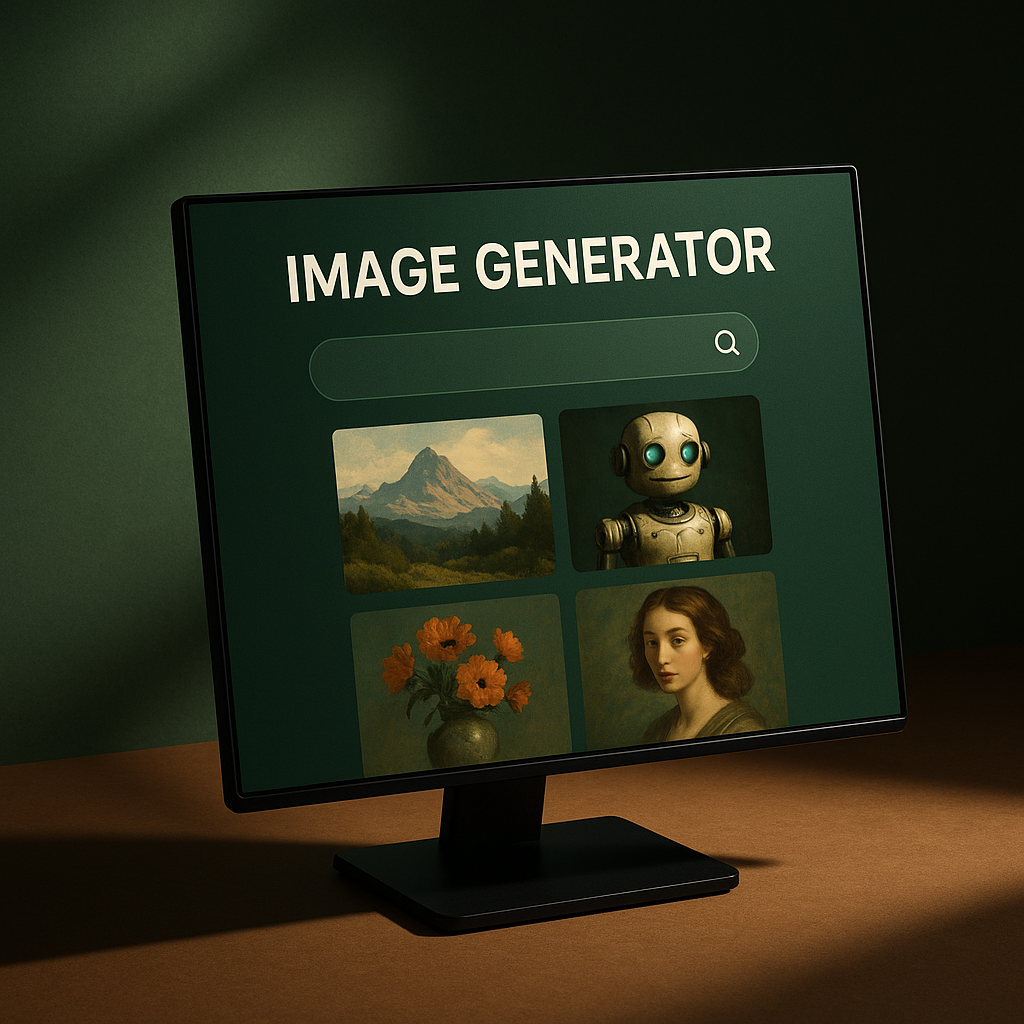
Unlocking Creativity: A Simple Guide to Using Image Generators for Beginners
червень 16, 2026
Maximum Potential
Отримайте повний досвід із планом Pro
ІНФОРМАЦІЯ