березень 26, 2026
Unlock Your Creativity: How Image Generators are Revolutionising Digital Art in 2023
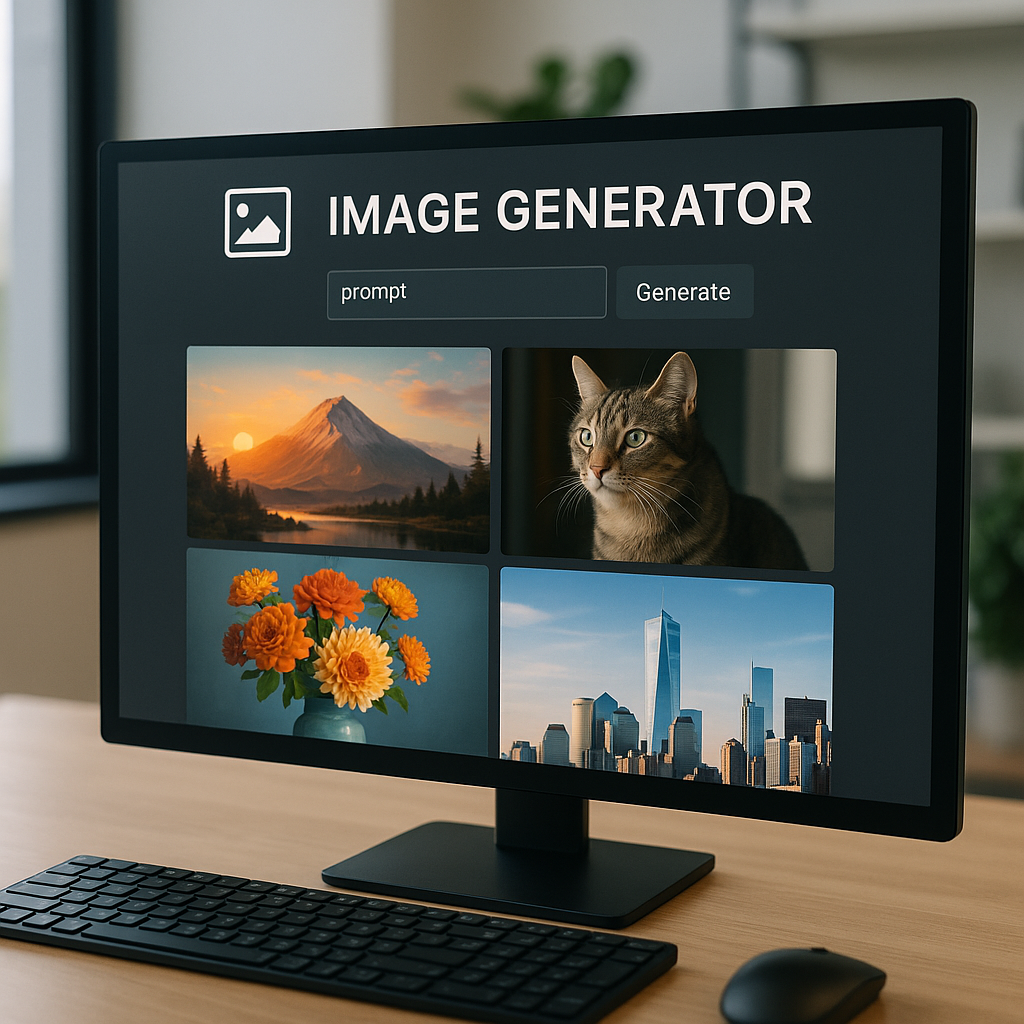
Image Generators
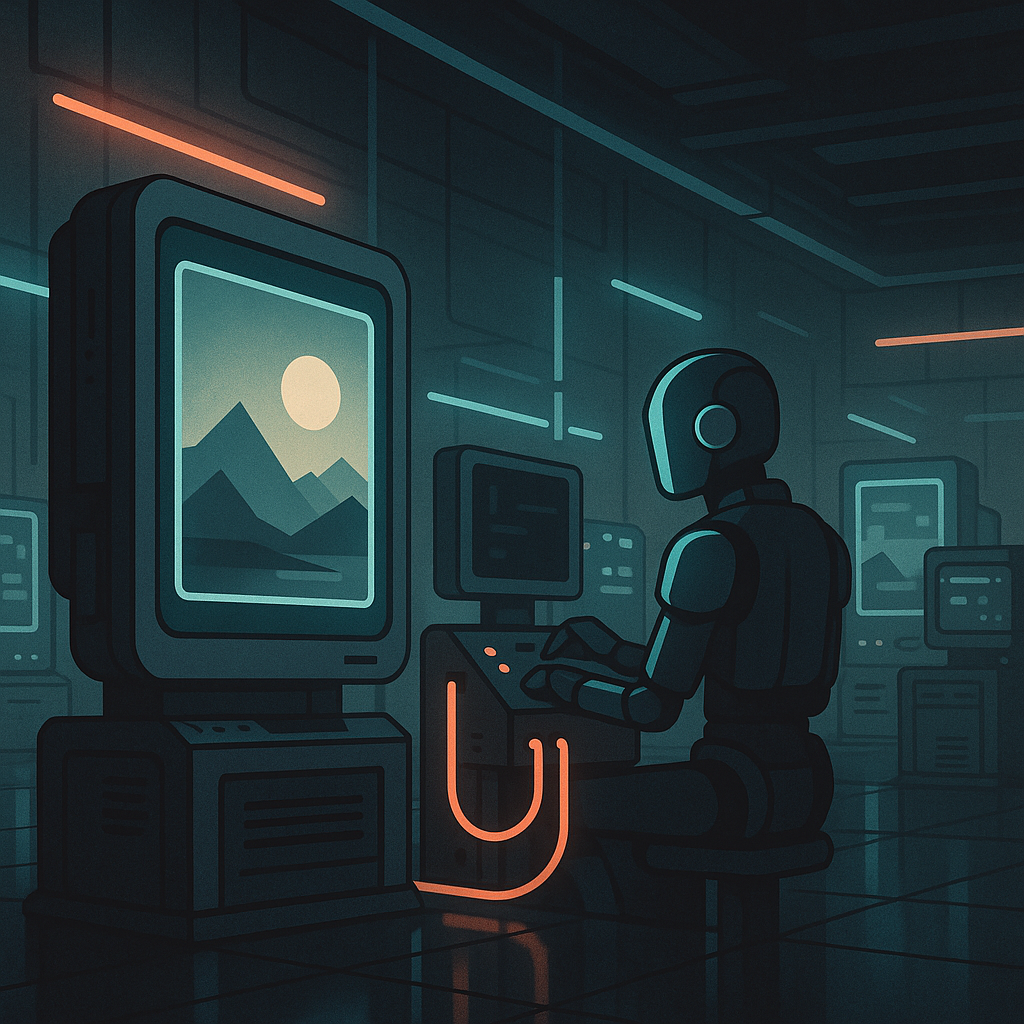
The rapid evolution of artificial intelligence has given rise to a new frontier in creativity: image generators. These sophisticated algorithms, powered by deep learning techniques, are transforming the way we create, consume, and interact with visual content. From generating photorealistic images to crafting surreal landscapes, image generators are not only reshaping the artistic landscape but also raising questions about originality, ethics, and the future of artistic expression.
At the core of these image-generating technologies are neural networks, particularly Generative Adversarial Networks (GANs) and diffusion models. GANs work by pitting two neural networks against each other: a generator that creates images and a discriminator that evaluates them. Through this adversarial process, the generator learns to create increasingly realistic images, often indistinguishable from real photographs. Diffusion models, on the other hand, start with random noise and refine it into coherent images by gradually removing that noise, producing remarkably detailed results.
One of the most notable examples of image generators is OpenAI’s DALL-E, which gained significant attention for its ability to generate unique images from textual descriptions. Users can input phrases like “a cat dressed as an astronaut” or “a futuristic cityscape at sunset,” and DALL-E will create corresponding images with impressive creativity and precision. This capability has sparked a wave of interest among artists, designers, and marketers, who see the potential for these tools to enhance their workflows and push the boundaries of creativity.
Another prominent player in the field is Midjourney, which allows users to generate images via a Discord bot, making the process accessible and user-friendly. Midjourney has become popular among digital artists and creators, who use its capabilities to brainstorm concepts, create mood boards, and develop unique artwork that can be further refined. The ease of use and the collaborative aspect of this platform have made it a go-to for many in the creative community.
The accessibility of image generators has also led to a burgeoning subculture of creators who share their AI-generated art on social media platforms. Instagram and Twitter are flooded with posts showcasing stunning visuals created by these algorithms, often accompanied by hashtags that foster community engagement. This new wave of digital art has sparked discussions about the role of the artist in the age of AI, prompting both excitement and concern.
However, the rise of image generators is not without controversy. One of the most pressing issues is copyright and ownership. As these tools become more prevalent, questions arise regarding the ownership of images generated by AI. If an artist inputs a prompt and an AI generates an image based on that prompt, who owns the rights to the resulting artwork? Current copyright laws are ill-equipped to address these complexities, leading to a grey area that could have significant implications for artists and the creative industry as a whole.
Moreover, the potential for misuse of these technologies is a growing concern. Image generators can create hyper-realistic images that could be employed for malicious purposes, such as generating fake news or misleading content. The ability to fabricate images that appear genuine poses a challenge for information integrity and could undermine trust in visual media. As a result, the tech community is grappling with the ethical ramifications of these advancements, with calls for responsible use and regulation of AI-generated content becoming more prominent.
In the realm of marketing and advertising, businesses are beginning to harness the power of image generators to create hyper-targeted campaigns. By generating bespoke images tailored to specific demographics or trends, companies can engage potential customers in ways that were previously unimaginable. This application of AI not only streamlines the creative process but also enables brands to maintain a fresh and dynamic presence in an increasingly competitive marketplace.
Furthermore, the integration of image generators into design software is revolutionising the creative process for professionals. Tools like Adobe are incorporating AI features that allow designers to generate elements on-demand, making it easier to iterate on concepts and explore new ideas. This fusion of traditional design skills and cutting-edge technology is enhancing the creative toolkit available to artists and designers, enabling them to produce work that is not only innovative but also tailored to the evolving needs of clients.
As image generators continue to advance, they are likely to influence various sectors beyond the arts. In gaming, for instance, developers can utilise these technologies to craft expansive worlds and characters, drastically reducing production time and costs. In architecture, image generators can help architects visualise projects at an early stage, allowing for more effective collaboration with clients and stakeholders.
The educational sector is also beginning to explore the potential of image generators. Art and design schools are integrating these technologies into their curricula, teaching students how to harness AI as a tool for creativity rather than a replacement for traditional skills. This approach encourages a symbiotic relationship between human creativity and artificial intelligence, fostering a new generation of artists who are adept at navigating both realms.
As we look to the future, the trajectory of image generators seems poised for continued growth and innovation. With advancements in technology, we may soon witness even more sophisticated image generation capabilities, including real-time rendering and the ability to create images that adapt and evolve based on user interaction. The possibilities are vast, and as these tools become more integrated into our daily lives, the lines between human creativity and machine-generated content will continue to blur.
In conclusion, image generators represent a significant leap forward in the intersection of technology and creativity. While they offer exciting opportunities for artistic expression, marketing, and design, they also present challenges that society must address. As we embrace these advancements, it is crucial to foster discussions around ethics, copyright, and the responsible use of AI, ensuring that the future of creativity remains inclusive and vibrant. The journey into this new era of artistic exploration is just beginning, and its implications will be felt across industries and cultures around the globe.
Recent Posts
Maximum Potential
Отримайте повний досвід із планом Pro
ІНФОРМАЦІЯ