березень 22, 2026
Unlock Your Creativity: How Image Generators are Revolutionising Visual Art
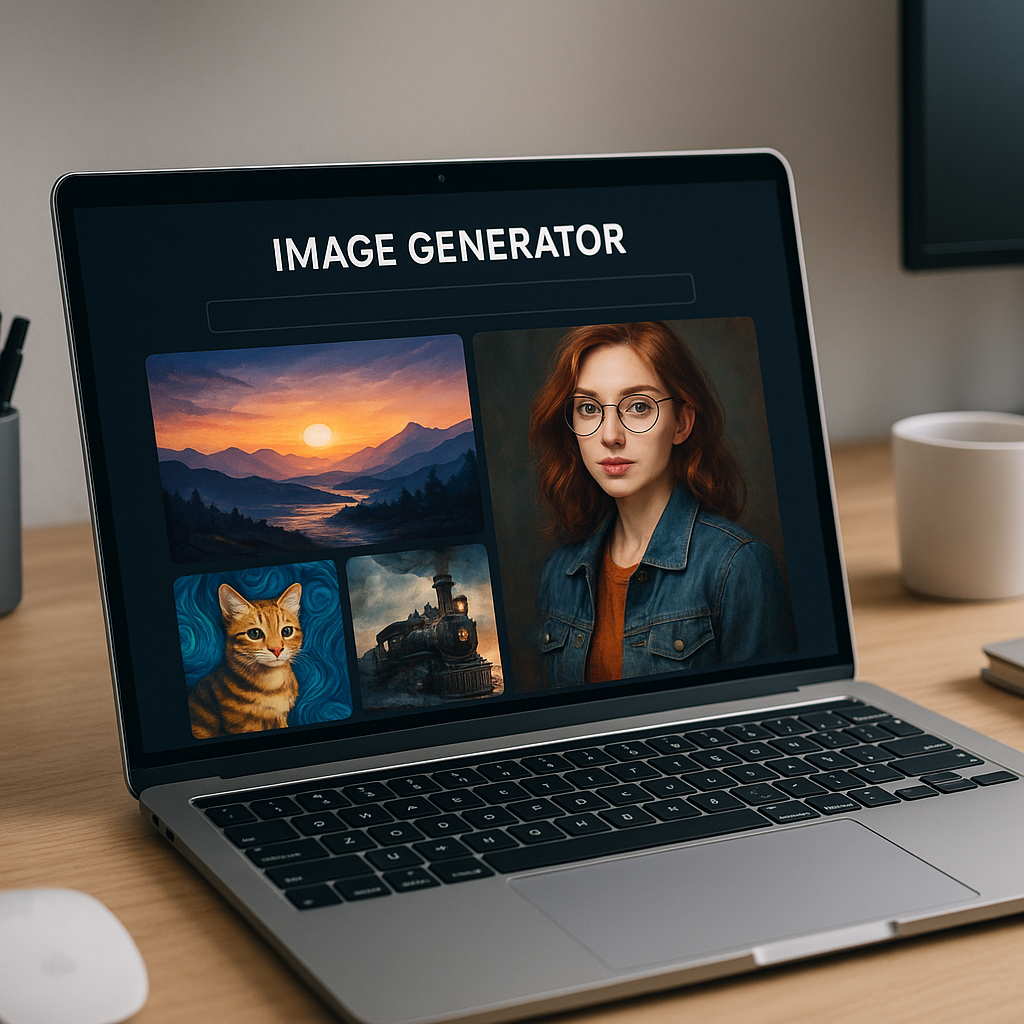
Image Generators
The rise of image generators has marked a significant shift in the landscape of digital creativity, with implications spanning art, design, marketing, and even education. These advanced tools, powered by artificial intelligence (AI), have opened new avenues for artists and non-artists alike, allowing them to create stunning visuals with little to no technical skill. As the technology continues to evolve, the ramifications of image generators are becoming increasingly complex and far-reaching.
At the core of these innovations are generative adversarial networks (GANs) and diffusion models, sophisticated algorithms that learn from vast datasets to produce images that are often indistinguishable from those created by human artists. Tools like DALL-E, Midjourney, and Stable Diffusion have gained popularity for their ability to transform simple text prompts into intricate and imaginative images, showcasing the capacity of AI to interpret and visualise human concepts in unique ways.
One of the most compelling aspects of image generators is their accessibility. Users can now create high-quality artwork without needing extensive training in design software or artistic techniques. This democratization of creativity has led to a surge in user-generated content across social media platforms, where individuals share their AI-generated creations. The trend has not only inspired a new wave of creativity but has also raised questions about the role of traditional artists and the value of human-created art.
Critics argue that the proliferation of AI-generated images could undermine the efforts of professional artists, leading to concerns about job security and the authenticity of artistic expression. Many artists have voiced apprehension about the implications of AI in their field, fearing that their unique styles and techniques may be diluted or even appropriated by algorithms that mimic their work. This has sparked ongoing debates about copyright, ownership, and the ethical use of AI in creative industries.
Moreover, the question of originality looms large in discussions about image generators. While these tools can produce visually stunning results, they often do so by remixing existing works and styles, drawing heavily from the data they have been trained on. This raises critical questions about what constitutes originality in art and whether AI-generated images can ever be considered truly unique. As the technology develops, it will be essential to establish guidelines that address these concerns, balancing innovation with respect for human artistry.
In the marketing and business realms, image generators have emerged as valuable assets, enabling companies to produce custom visuals for branding and advertising campaigns quickly. With the ability to generate tailored images on demand, brands can save time and resources while maintaining a high level of creativity in their marketing efforts. This agility allows businesses to respond swiftly to trends and consumer demands, ensuring their content remains relevant and engaging.
Education is another area where image generators are making significant inroads. Teachers and educators are discovering innovative ways to incorporate AI-generated visuals into their curricula, enhancing learning experiences and encouraging creativity among students. For instance, students can use these tools to create visual presentations, explore complex concepts through imagery, or even develop their artistic skills by studying the outputs of AI. Such applications highlight the potential for image generators to enrich educational environments and foster a new generation of digital creators.
However, as with any technology, the proliferation of image generators is not without its challenges. Ethical concerns surrounding the misuse of AI-generated content have surfaced, particularly in cases of misinformation or the creation of deepfakes. The ability to generate realistic images could be leveraged for malicious purposes, such as fabricating news stories or manipulating public opinion. As a result, there is an urgent need for regulatory frameworks that address these risks while still promoting innovation.
In response to these challenges, many in the tech and creative communities are advocating for responsible AI development. This includes establishing ethical guidelines for the use of image generators, encouraging transparency in the datasets used for training, and fostering collaboration between technologists and artists. By prioritising ethics alongside innovation, stakeholders can work towards a future where AI enhances rather than diminishes human creativity.
As image generators become increasingly sophisticated, the future of this technology remains a topic of vibrant discussion. The potential for collaboration between human artists and AI tools is vast, with possibilities for new forms of artistic expression that blend human creativity with machine learning capabilities. Artists may find themselves working alongside AI, using these tools to push the boundaries of their work and explore uncharted territories of creativity.
As the technology continues to evolve, educators, artists, marketers, and policymakers must engage in dialogue about the implications of AI-generated content. By fostering a collaborative environment that encourages creativity while addressing ethical concerns, society can harness the power of image generators to enrich our cultural landscape. The balance between embracing innovation and preserving the integrity of human artistry will ultimately shape the future of image generation and its impact on our world.
In conclusion, image generators represent a remarkable intersection of technology and creativity, offering both exciting opportunities and significant challenges. As individuals and industries navigate this new frontier, it is essential to engage thoughtfully with the implications of AI in the creative process. By understanding the potential and limitations of these tools, society can foster an environment where technology enhances human expression, rather than replacing it.
Recent Posts
Head-to-Head: Comparing Top AI Models in Работа с Нейросетями and Their Impact
червень 16, 2026
Debunking Myths: The Realities of Работа с Нейросетями and AI Models Today
червень 16, 2026
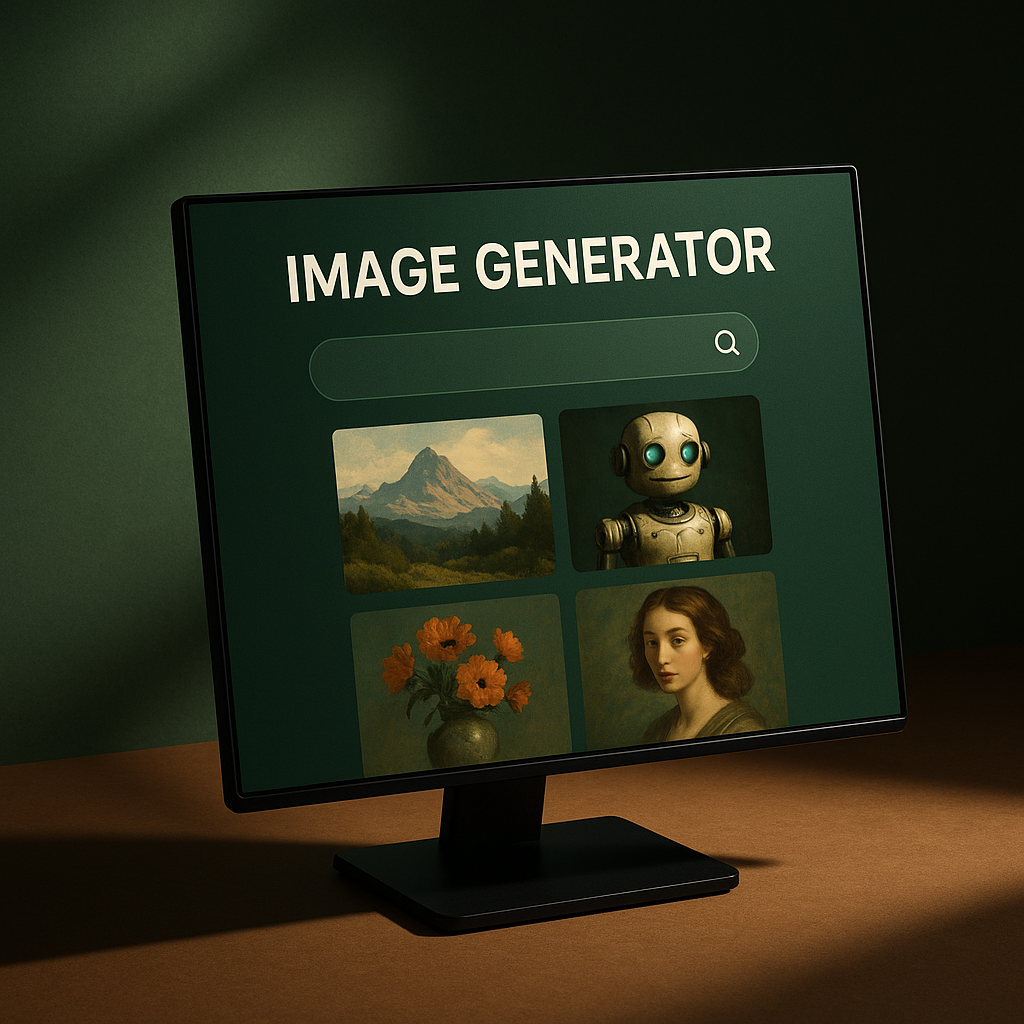
Unlocking Creativity: A Simple Guide to Using Image Generators for Beginners
червень 16, 2026
Maximum Potential
Отримайте повний досвід із планом Pro
ІНФОРМАЦІЯ