March 14, 2026
Unlock Your Creativity: How Image Generators are Revolutionizing Art and Design
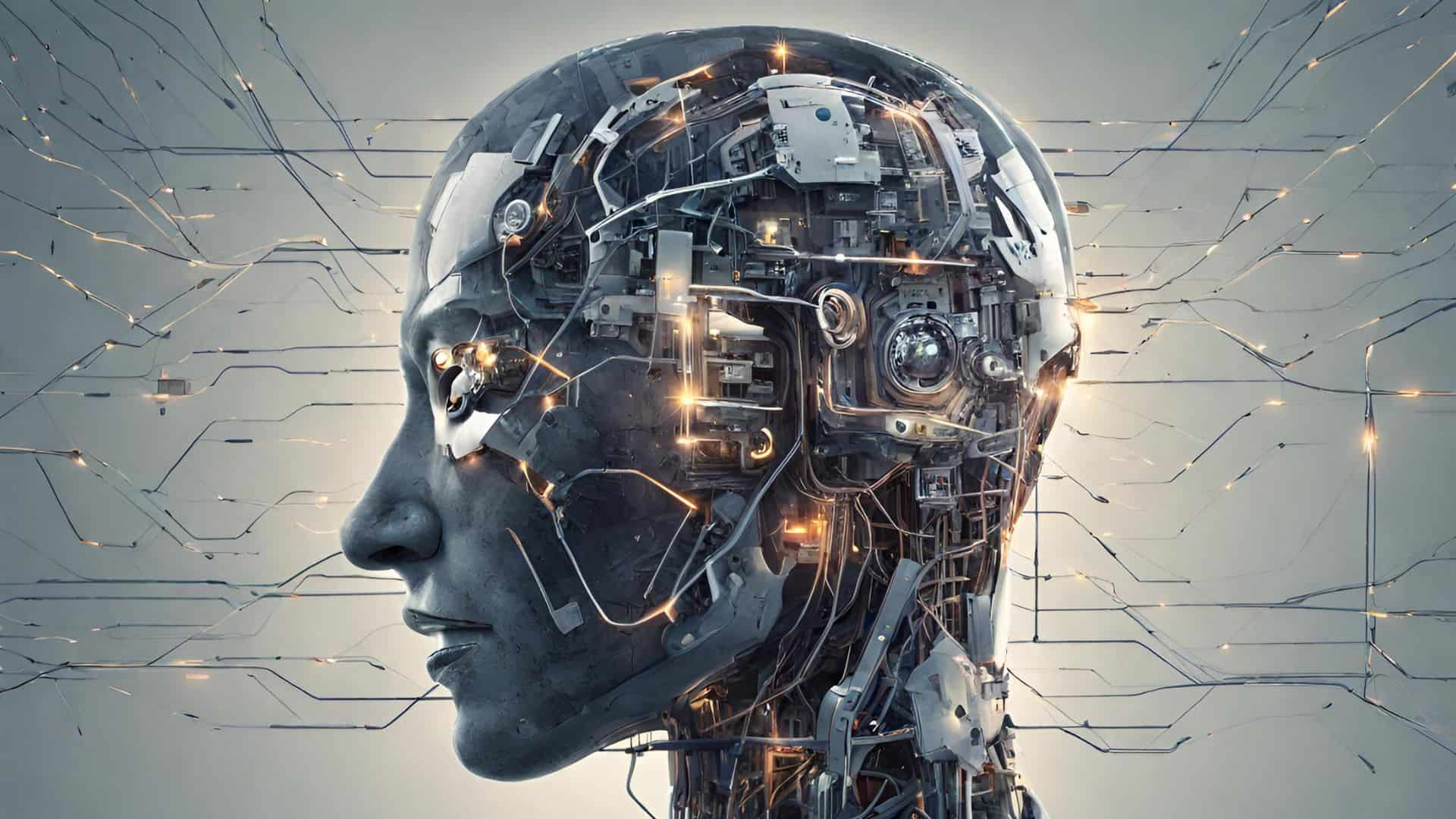
Image Generators
In recent years, the rise of artificial intelligence (AI) has transformed numerous sectors, and one of the most exciting developments is the emergence of image generators. These advanced tools, powered by machine learning algorithms, are capable of creating stunningly realistic images from textual descriptions, a feat that has captivated artists, marketers, and tech enthusiasts alike. As the technology evolves, so too does its potential to reshape creative industries, influence social media, and even challenge traditional notions of art and originality.
Image generators operate on sophisticated neural networks, particularly Generative Adversarial Networks (GANs) and diffusion models. GANs consist of two competing networks: a generator that creates images and a discriminator that evaluates them. This interplay pushes the generator to improve until it can produce images that the discriminator can no longer distinguish from real photographs. On the other hand, diffusion models work by gradually transforming random noise into coherent images through a series of iterative steps, leading to high-quality outputs that can capture intricate details.
One of the most notable examples of image generation technology is OpenAI's DALL-E, which gained significant attention for its ability to create vibrant and imaginative visuals based on simple text prompts. For instance, users can request an "armchair in the shape of an avocado," and DALL-E will generate a unique image that matches the description. This level of creativity and responsiveness has opened new avenues for artists and designers, allowing them to brainstorm ideas and visualize concepts in ways previously unimaginable.
The implications of image generators extend far beyond the realm of art. In the marketing sector, companies are leveraging these tools to create tailored visual content quickly and cost-effectively. Brands can generate custom images for advertisements, social media posts, and website banners, allowing for rapid adaptation to trends and audience preferences. This capability not only saves time but also reduces costs associated with traditional photography and graphic design.
Furthermore, image generators are playing a pivotal role in the gaming industry, where developers can use them to create assets ranging from characters to landscapes. By streamlining the design process, game developers can focus more on storytelling and gameplay mechanics, enhancing the overall experience for players. As the demand for immersive and visually stunning games continues to grow, the integration of AI-driven image generation tools is likely to become a standard practice.
However, the rise of image generators is not without its challenges and ethical considerations. One significant concern is the potential for misuse, particularly in creating deepfakes—realistic images or videos that can be used to mislead or manipulate audiences. As these technologies become more accessible, the risk of generating harmful or misleading content increases, prompting calls for regulations and ethical guidelines to govern their use.
Moreover, the question of copyright and ownership arises when AI generates art. If a piece of art is created by a machine, who owns the rights to that image? This dilemma is still being debated in legal circles, as existing copyright laws may not adequately address the nuances of AI-generated content. Artists and creators are increasingly voicing concerns about the commodification of their work, fearing that AI could undermine their livelihoods by producing similar works at a fraction of the cost.
In response to these challenges, some companies are implementing measures to ensure ethical usage of their image generation tools. For instance, OpenAI has established usage policies that prohibit the creation of harmful or misleading content and encourages users to attribute AI-generated images appropriately. Additionally, some platforms are working on watermarking AI-generated images to indicate their origin, helping to combat potential misuse.
The educational sector is also beginning to explore the use of image generators as a teaching tool. In classrooms, these technologies can inspire creativity among students, encouraging them to think outside the box and engage with subjects like design, art, and technology. Educators can use image generators to create visual aids or facilitate discussions about the implications of AI in society, fostering a new generation of critical thinkers equipped to navigate the complexities of a digital future.
As image generators continue to evolve, their impact on society will likely grow. Innovations such as improved algorithms and user interfaces may lead to even more sophisticated outputs, further blurring the lines between human-created and machine-generated art. The democratization of creativity through these tools presents exciting possibilities, enabling individuals without formal training to express themselves artistically.
Despite the uncertainties and ethical concerns, the consensus among experts is that image generators are here to stay. They represent a significant leap forward in our ability to create and interact with visual content, fostering a new wave of creativity across various fields. As we move into a future where AI plays an increasingly prominent role in our lives, it will be essential to strike a balance between embracing innovation and safeguarding the values that underpin artistic expression and authenticity.
Ultimately, the conversation surrounding image generators is one of adaptation and evolution. As artists, marketers, and technologists explore the potential of this technology, society must also grapple with the implications of these advancements. By establishing clear guidelines and encouraging responsible usage, we can harness the power of image generators to enrich our creative landscape while mitigating the risks associated with their misuse. The journey ahead promises to be as dynamic and transformative as the images these machines create.
Recent Posts
Breakthrough in Neural Networks: How New AI Models Revolutionize Global Tech
June 16, 2026
Head-to-Head: Comparing Neural Network Models and Their Impact on AI Work Today
June 16, 2026
New Breakthrough in Image Generators Promises to Revolutionize Artistic Expressi...
June 16, 2026
Maximum Potential
Get the full experience with Pro Plan
INFORMATION