February 10, 2026
Unlock Your Creativity: How Image Generators are Revolutionizing Digital Art
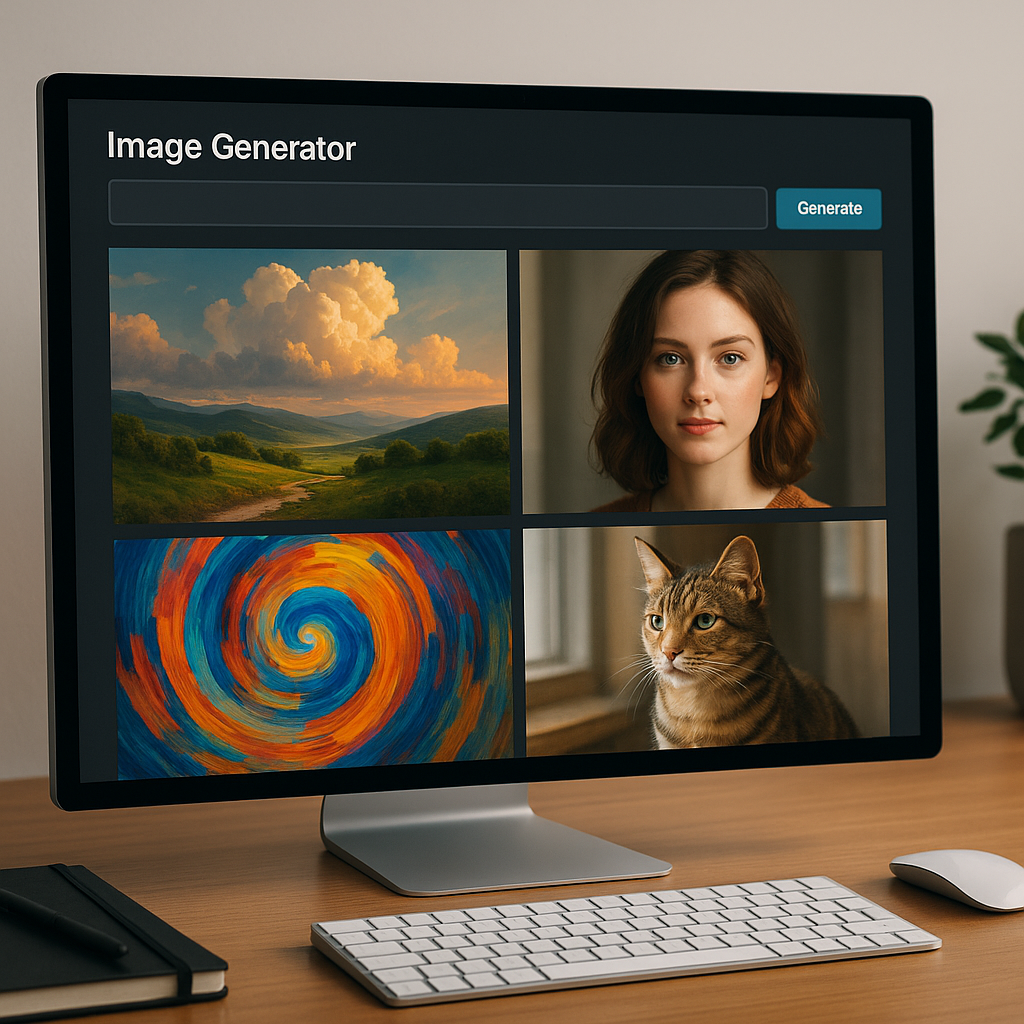
Image Generators
In recent years, image generators have surged in popularity, reshaping the landscape of digital art, marketing, and design. These advanced tools utilize artificial intelligence to create images from textual descriptions, allowing users to generate artwork that is both unique and tailored to specific needs. As technology continues to evolve, the implications for artists, designers, and businesses are profound, presenting both opportunities and challenges.
At the core of image generation lies sophisticated machine learning algorithms, particularly those related to Generative Adversarial Networks (GANs) and diffusion models. GANs consist of two neural networks—a generator and a discriminator—that work in tandem to create convincing images. The generator produces images based on random inputs, while the discriminator evaluates their authenticity, pushing the generator to improve continuously. This back-and-forth process leads to increasingly realistic outputs.
One of the most notable developments in this field is the emergence of platforms like DALL-E, Midjourney, and Stable Diffusion. These tools have democratized access to image creation, allowing anyone with an internet connection to produce high-quality visuals without extensive artistic training. Users simply input descriptive text, and the AI interprets this input to generate corresponding images. For example, a user might request “a futuristic city at sunset,” and the generator will produce a visually stunning representation of that concept.
The appeal of these image generators extends beyond mere novelty. For businesses, they offer a cost-effective solution for creating marketing materials, social media graphics, and product visuals. With traditional graphic design often requiring significant time and financial investment, AI image generators streamline this process, enabling rapid prototyping and the generation of diverse visual content. Companies can quickly adapt their branding and messaging to meet evolving market demands, leveraging the speed and flexibility that these tools provide.
Moreover, artists have begun to explore these technologies as an extension of their creative processes rather than a replacement. Many view image generators as collaborative partners that can spark new ideas or enhance existing concepts. By inputting varied prompts, artists can explore different styles, compositions, and themes that they may not have considered otherwise. This symbiotic relationship between human creativity and machine-generated imagery is leading to entirely new art forms and genres.
Despite the advantages, the rise of image generators has not been without controversy. Concerns about copyright and intellectual property have emerged as artists grapple with the implications of AI-generated works. When an image generator creates a piece based on existing styles or artists, questions arise: Who owns the rights to these images? Can an artist claim ownership over a piece that heavily draws from their unique style? As legal frameworks struggle to keep pace with technological advancements, these issues remain points of contention within the creative community.
Furthermore, the ethical considerations surrounding the use of AI in art and design cannot be overlooked. The potential for misuse is significant, including the creation of deepfakes or misleading imagery that can distort reality. The ease with which one can generate realistic images raises alarms about misinformation and the responsibility of creators to use these tools ethically. As societal norms around digital content continue to evolve, it will be crucial for both developers and users of image generators to establish guidelines that promote responsible usage.
The accessibility of image generators is also a double-edged sword. While they empower individuals and small businesses lacking the resources for professional design, they can also saturate the market with images, leading to a potential devaluation of traditional artistry. The uniqueness of handcrafted art may become overshadowed by the sheer volume of AI-generated content available online. This raises questions about the future of artistic careers and the value placed on human creativity in a world increasingly dominated by technology.
In response to these challenges, some artists and designers are advocating for a hybrid approach, combining traditional techniques with AI capabilities. This integration can lead to innovative results, allowing creators to harness the strengths of both human intuition and machine efficiency. Workshops and online courses are emerging, focusing on teaching artists how to effectively collaborate with AI tools, ensuring that the human touch remains an integral part of the creative process.
Looking ahead, the future of image generators appears bright yet complex. With continuous advancements in AI technology, the capabilities of these tools will only expand. As they become more sophisticated, we can expect even greater realism, diverse styles, and enhanced customization options. This evolution will likely lead to new applications in various fields, from virtual reality and gaming to film and advertising, where immersive and engaging visuals are paramount.
As image generators become commonplace, the dialogue surrounding their impact will undoubtedly intensify. The balance between embracing innovation and preserving the integrity of artistic expression will require careful navigation by creators, technologists, and policymakers alike. The ongoing evolution of these tools presents an opportunity to redefine creativity in the digital age, challenging our perceptions of what art can be and who can create it.
In conclusion, image generators represent a transformative force in the creative landscape, merging technology with artistry in ways previously unimaginable. As we continue to explore the possibilities they offer, it will be essential to foster a culture of ethical responsibility and innovation, ensuring that the intersection of AI and art enriches rather than diminishes our collective creative experience.
Recent Posts
Breakthrough in Neural Networks: How New AI Models Revolutionize Global Tech
June 16, 2026
Head-to-Head: Comparing Neural Network Models and Their Impact on AI Work Today
June 16, 2026
New Breakthrough in Image Generators Promises to Revolutionize Artistic Expressi...
June 16, 2026
Maximum Potential
Get the full experience with Pro Plan
INFORMATION