February 27, 2026
Unlock Your Creativity: How Image Generators are Revolutionizing Digital Art
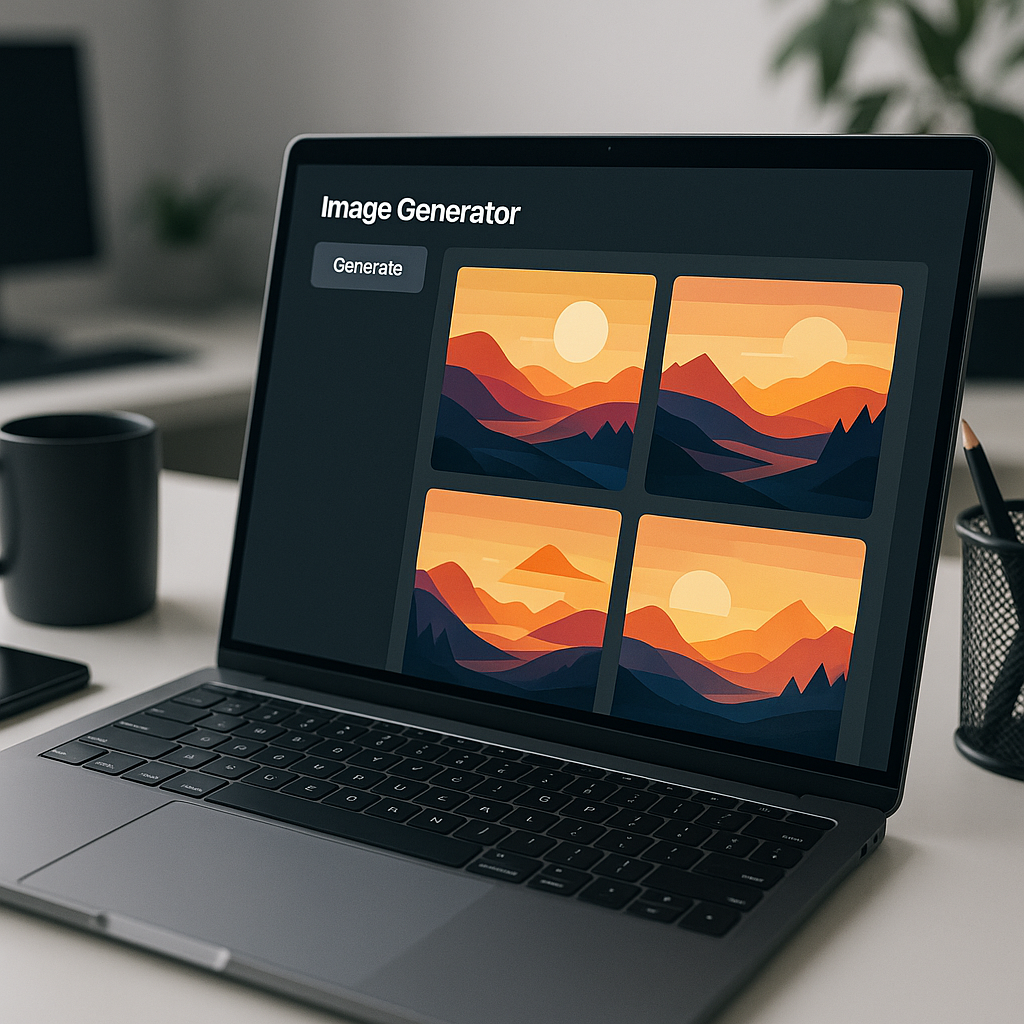
Image Generators
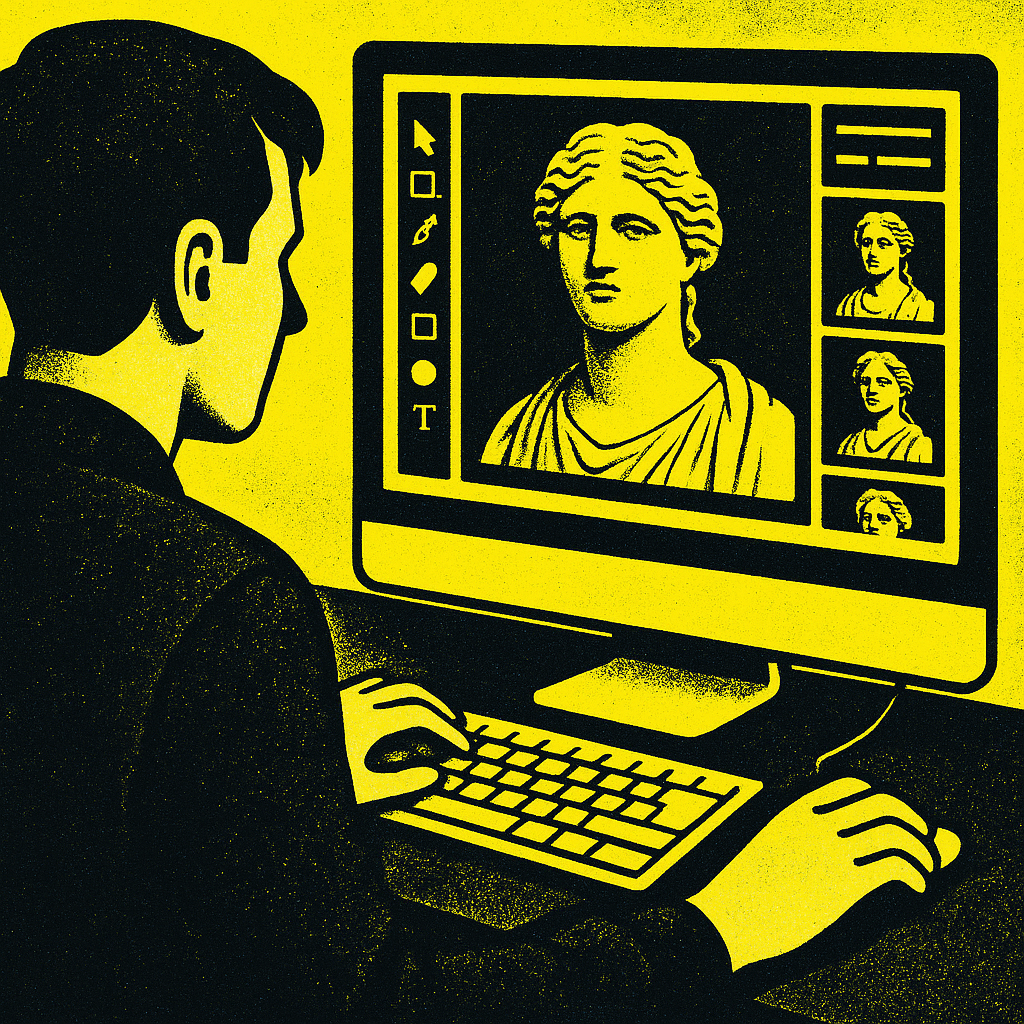
In recent years, the rise of image generators has transformed the landscape of digital art and content creation, providing users with powerful tools to create stunning visuals in mere seconds. These sophisticated algorithms, often powered by artificial intelligence, have not only democratized art production but have also sparked debates about creativity, copyright, and the future of artistic professions.
At the heart of image generation technology are deep learning models, particularly Generative Adversarial Networks (GANs) and diffusion models. GANs operate through a competitive process where two neural networks — a generator and a discriminator — work against each other. The generator creates images, while the discriminator evaluates them, providing feedback to enhance the quality of the output. Diffusion models, on the other hand, start with random noise and gradually refine it into coherent images through a series of steps, showcasing remarkable detail and complexity.
These advancements have led to the emergence of various online platforms and tools that allow users to generate images based on textual prompts. Notable examples include OpenAI's DALL-E, Midjourney, and Stable Diffusion. Each of these platforms utilizes advanced machine learning techniques to interpret user inputs and generate unique images, often with surprising accuracy and creativity. For instance, DALL-E can produce highly imaginative and surreal visuals, transforming even the most abstract concepts into tangible artwork.
The accessibility of these tools has opened up new avenues for creatives. Artists, designers, and marketers are increasingly incorporating image generators into their workflows, using them to brainstorm ideas, visualize concepts, and create mockups. For many, these tools serve not only as a source of inspiration but also as a means to enhance productivity. By automating the more tedious aspects of visual creation, image generators allow artists to focus on refining their concepts and exploring their creativity.
However, the rapid proliferation of image generators has also triggered discussions about the implications for traditional art forms and the role of human creativity. Critics argue that reliance on AI-generated images may dilute the value of human-made art, raising concerns about originality and authorship. The question of whether an image generated by an algorithm can be considered "art" has become a hot topic, with various stakeholders weighing in on the matter. Some artists view these tools as collaborators rather than competitors, while others fear that the essence of artistic expression is being compromised.
Copyright issues further complicate the landscape of image generation. As AI models are trained on vast datasets that often include copyrighted works, questions arise regarding ownership and the legality of using generated images. In some cases, artists whose work is used as training data have expressed frustration over not receiving credit or compensation. Legal frameworks are still catching up with this technology, leading to uncertainty about the rights of creators and the responsibilities of developers in the AI space.
In response to these challenges, some companies and organizations are taking proactive measures. For example, Adobe has introduced features in its Creative Cloud suite that allow users to generate images while retaining the rights to their creations. Additionally, initiatives like the Creative Commons licensing framework are being explored to provide clearer guidelines for the use and distribution of AI-generated content.
Despite the controversies, the popularity of image generators continues to soar. A growing community of enthusiasts is emerging, sharing their creations on social media platforms and participating in online challenges. This collaborative spirit highlights the potential for image generators to foster innovation and experimentation in the artistic realm. Artists are combining their skills with these tools to create hybrid works that blend traditional techniques with digital processes, pushing the boundaries of what defines art.
Moreover, the educational sector is beginning to embrace image generators as teaching tools. Art schools and universities are integrating AI technology into their curricula, encouraging students to explore the intersection of art and technology. This approach not only equips future artists with essential skills but also sparks discussions about the ethical implications of AI in creative fields.
Looking ahead, the future of image generators appears promising yet uncertain. As technology continues to evolve, we can expect to see even more advanced capabilities, such as real-time image generation and increased customization options. Companies are investing in research and development to improve the quality and versatility of these tools, ensuring they remain at the forefront of creative innovation.
However, the ongoing dialogue about the role of AI in art will undoubtedly shape the trajectory of this technology. As artists, developers, and policymakers navigate the complexities of copyright, creativity, and ethical considerations, it is crucial to strike a balance that honors human creativity while embracing the potential of AI. The challenge lies in finding ways to coexist with these tools, leveraging their strengths to enhance the creative process without undermining the value of human artistry.
In conclusion, image generators represent a significant shift in the way we approach visual content creation. With their ability to generate high-quality images quickly and efficiently, they are changing the dynamics of art and design, fostering new collaborations, and challenging our understanding of creativity. As we continue to explore the possibilities of this technology, it is essential to foster an environment that encourages innovation while respecting the rights and contributions of human creators. The future of art may very well depend on how we navigate this complex relationship between man and machine.
Recent Posts
Breakthrough in Neural Networks: How New AI Models Revolutionize Global Tech
June 16, 2026
Head-to-Head: Comparing Neural Network Models and Their Impact on AI Work Today
June 16, 2026
New Breakthrough in Image Generators Promises to Revolutionize Artistic Expressi...
June 16, 2026
Maximum Potential
Get the full experience with Pro Plan
INFORMATION