March 2, 2026
Unlock Your Creativity: How Image Generators are Revolutionizing Digital Art
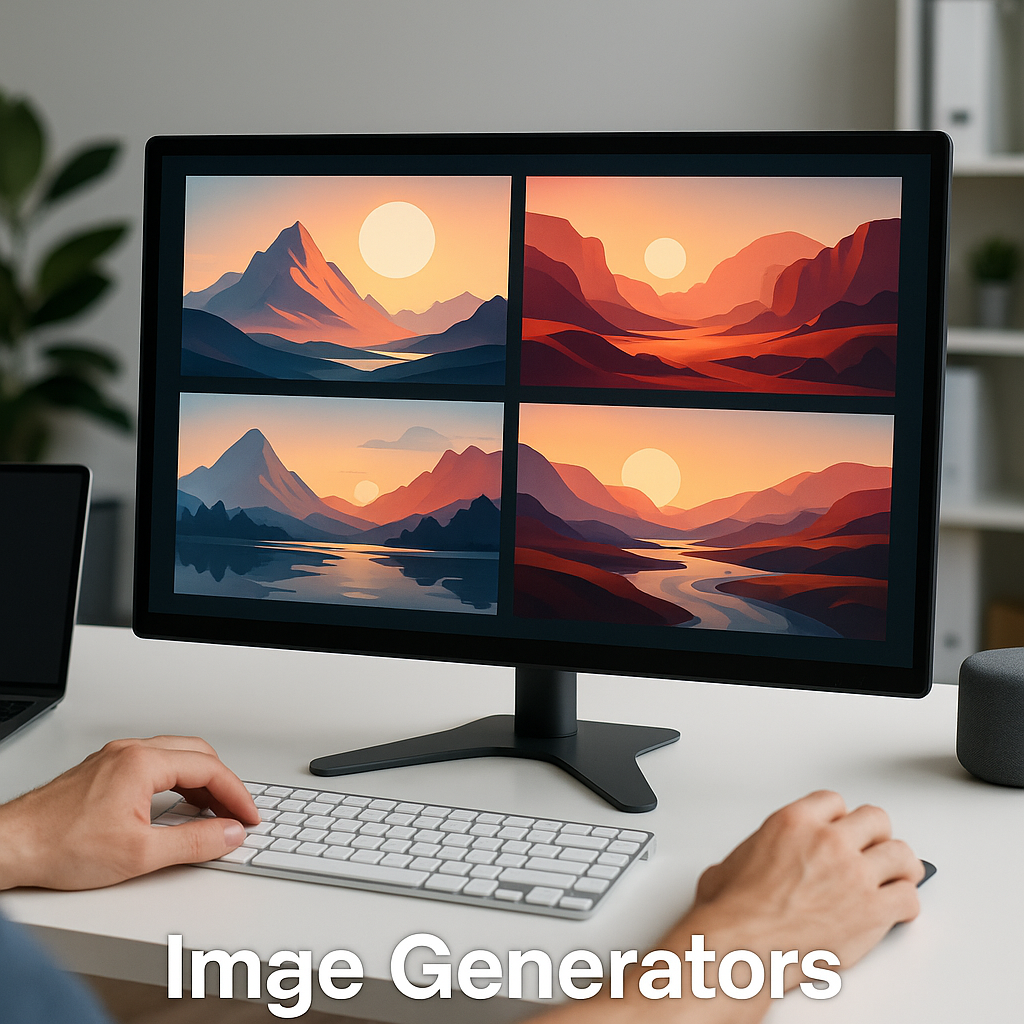
Image Generators
In recent years, the landscape of digital creativity has been profoundly transformed by the advent of image generators, a subset of artificial intelligence (AI) technology that can create stunning visuals from textual descriptions. These tools, powered by sophisticated algorithms and vast datasets, have opened new avenues for artists, designers, and marketers, reshaping how we think about image production and storytelling in a digital age.
At the forefront of this technology are powerful AI models like DALL-E, Midjourney, and Stable Diffusion, which have gained significant traction due to their ability to produce high-quality images that often defy the limits of human imagination. Users can input simple phrases or complex prompts, and the AI interprets them, generating artwork that ranges from photorealistic landscapes to surrealistic interpretations. The implications of such advancements are vast, affecting various sectors including advertising, entertainment, and even education.
One of the most notable achievements of image generators has been their capability to democratize art creation. Traditionally, creating visually compelling content required years of training and practice, often limiting access to a select group of skilled artists. However, with the rise of user-friendly AI tools, anyone with an internet connection can generate professional-quality images with minimal effort. This has led to a surge in creativity, as individuals from diverse backgrounds can now express their ideas visually without the constraints of artistic training.
Moreover, the applications of image generators extend far beyond personal creativity. In the advertising industry, companies are increasingly utilizing these tools to create eye-catching visuals for marketing campaigns. With the ability to produce images tailored to specific demographics and themes, businesses can engage their audiences more effectively and efficiently. This not only reduces the time and cost associated with traditional photography and graphic design but also allows for rapid experimentation with different visual styles and concepts.
In the realm of entertainment, image generators are making their mark in the gaming and film industries. Game developers can quickly prototype environments, characters, and assets, allowing for more agile development processes. Filmmakers are exploring the potential of AI-generated storyboards and concept art, which can streamline pre-production and spark innovative ideas that might not have emerged through conventional methods. As these technologies continue to evolve, the boundaries of storytelling and visual representation are likely to expand even further.
Despite their many advantages, the rise of image generators has not been without controversy. One of the primary concerns revolves around copyright and intellectual property rights. As these AI systems learn from vast datasets that include existing artwork, questions arise about the ownership of the images they produce. Are the creators of the original works entitled to compensation if their styles or elements are replicated by AI? Legal frameworks are struggling to keep pace with these rapid technological advancements, leading to a complex and often contentious landscape for artists and developers alike.
Another significant issue is the ethical implications of AI-generated imagery. The potential for misuse is considerable; from generating deepfakes to creating misleading content that can propagate misinformation, the power of image generators poses risks that society must address. As these tools become more accessible, there is a growing need for guidelines and ethical standards to ensure responsible usage. This includes educating users about the capabilities and limitations of AI, as well as fostering discussions around the moral responsibilities of creators.
Furthermore, the impact of image generators on traditional art forms cannot be overlooked. While many artists have embraced these technologies as tools for enhancement and inspiration, others fear that the proliferation of AI-generated art may devalue human creativity. The debate raises profound questions about what constitutes art and the role of the artist in a world where machines can produce visuals that challenge our perceptions of originality and authenticity.
As the technology continues to advance, the future of image generators looks promising yet uncertain. Innovations such as improved neural networks, enhanced understanding of context, and greater user customization are on the horizon. These developments will likely lead to even more sophisticated outputs, enabling users to create images that are not only visually captivating but also imbued with deeper narratives and emotions.
Furthermore, the integration of image generators with other AI technologies, such as natural language processing and virtual reality, could reshape entire industries. Imagine a world where users can create immersive environments and interactive experiences based solely on their verbal descriptions, or where educational materials are dynamically generated to visually represent complex concepts in real-time. The possibilities are boundless, and as these technologies converge, they could fundamentally alter our interactions with digital media.
In conclusion, image generators represent a remarkable intersection of technology and creativity, offering unprecedented opportunities for individuals and industries alike. While they present challenges that warrant careful consideration, the potential to enhance artistic expression, streamline production processes, and engage audiences in novel ways is undeniable. As society navigates the implications of these tools, fostering a balanced dialogue around innovation, ethics, and creativity will be crucial. The future of image generation is not just about the images themselves, but also about how we choose to integrate them into the fabric of our lives.
Recent Posts
Breakthrough in Neural Networks: How New AI Models Revolutionize Global Tech
June 16, 2026
Head-to-Head: Comparing Neural Network Models and Their Impact on AI Work Today
June 16, 2026
New Breakthrough in Image Generators Promises to Revolutionize Artistic Expressi...
June 16, 2026
Maximum Potential
Get the full experience with Pro Plan
INFORMATION