March 3, 2026
Unlock Your Creativity: How Image Generators are Revolutionizing Digital Art
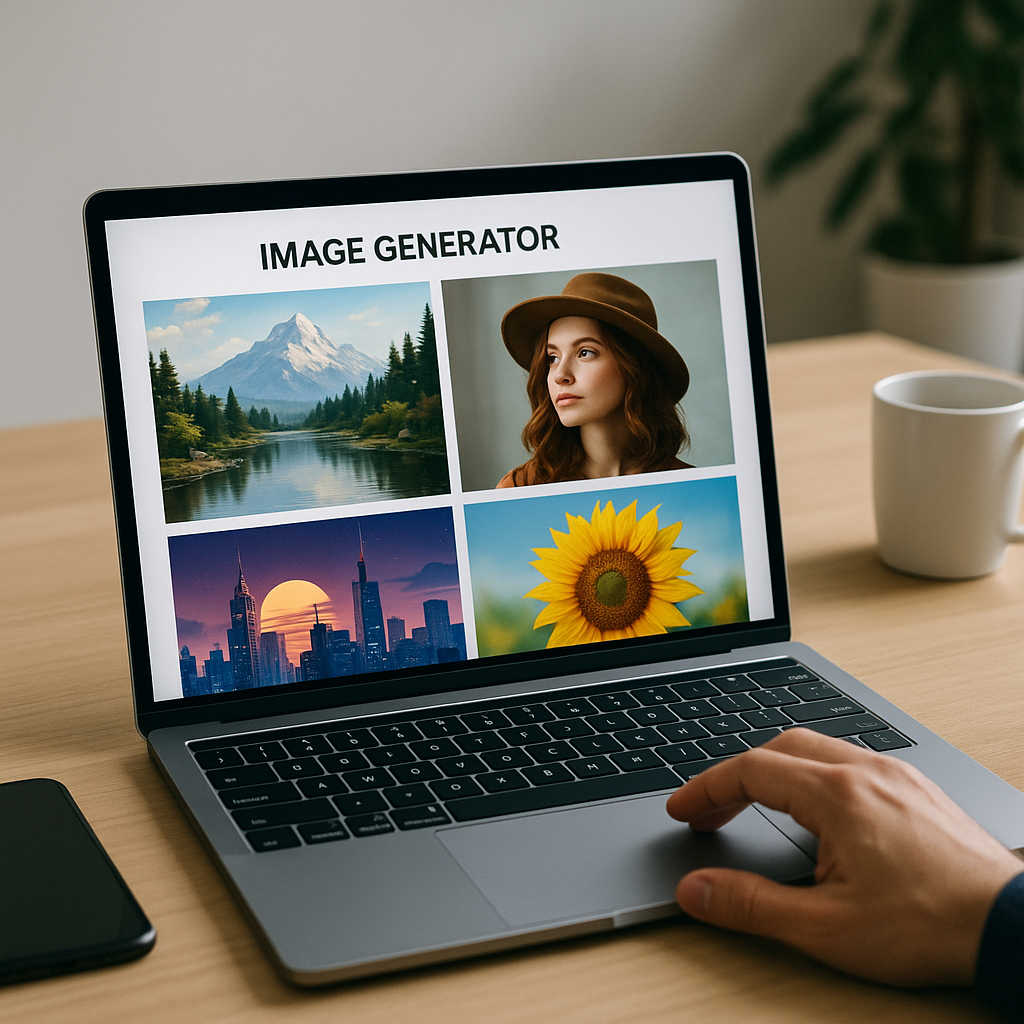
Image Generators
In recent years, image generators have surged to the forefront of technological innovation, fundamentally transforming the way individuals and businesses create visual content. Leveraging advanced artificial intelligence (AI) algorithms, these tools enable users to generate high-quality images from text prompts, revolutionizing industries ranging from advertising and marketing to gaming and digital art. As more users adopt these technologies, understanding their implications, applications, and potential ethical concerns becomes increasingly essential.
At the heart of image generation technology are generative adversarial networks (GANs) and diffusion models, both of which utilize complex neural networks to create images. GANs, introduced by Ian Goodfellow and his team in 2014, consist of two competing networks: the generator and the discriminator. The generator creates images, while the discriminator evaluates them against real images. Through this adversarial process, the generator improves over time, producing increasingly realistic images. On the other hand, diffusion models, which have gained popularity in recent years, work by gradually adding noise to an image and then learning to reverse this process, effectively generating new images from random noise.
One of the most notable developments in image generation technology is the emergence of tools like OpenAI's DALL-E and Stability AI's Stable Diffusion. DALL-E, named after the artist Salvador Dalí and the animated robot WALL-E, has captivated users with its ability to create imaginative and surreal images based on simple text descriptions. For instance, a user can input a phrase like "an astronaut riding a horse in a futuristic city," and DALL-E will generate a corresponding image that vividly captures that scene. Similarly, Stable Diffusion has gained traction for its open-source model, allowing users to generate high-quality images with minimal computing resources.
The applications of image generators are vast and varied. In the realm of marketing, businesses can create custom visuals for advertising campaigns, social media posts, and website content without the need for extensive graphic design expertise. This democratization of design enables smaller companies to compete with larger firms, as they can quickly produce eye-catching visuals tailored to their target audiences. Moreover, image generators can streamline the creative process, allowing marketers to experiment with multiple concepts rapidly, refining their ideas before settling on a final design.
In the world of gaming, developers are increasingly utilizing image generators to create assets, environments, and characters. Procedural generation, a technique that allows for the automatic creation of game content, can be enhanced by AI-driven image generation. This not only expedites the development process but also introduces an unprecedented level of uniqueness and variability in games, providing players with a more immersive experience. As AI continues to evolve, the potential for generating dynamic content in real-time is becoming a reality, further enriching the gaming landscape.
Artists and designers are also finding new avenues for creativity through image generators. While some traditionalists may view AI-generated art as a threat, others embrace it as a powerful tool that can enhance their creative workflows. For instance, artists can use image generators to brainstorm ideas, explore compositions, or even generate base layers that they can then refine and personalize. This collaboration between human creativity and machine learning creates exciting possibilities for the future of art.
However, the rise of image generators is not without its challenges and ethical considerations. One of the primary concerns is the potential for misuse. The ability to generate hyper-realistic images raises questions about authenticity and the potential for misinformation. For example, AI-generated images could be used to create fake news or misleading content, posing serious risks in an already polarized media landscape. Furthermore, the line between genuine artistic expression and machine-generated imagery can be blurred, leading to debates about authorship and ownership of AI-generated works.
Another significant issue is the question of bias in AI models. Image generators learn from vast datasets, and if these datasets contain biased information, the output can reflect and perpetuate these biases. This is particularly concerning in areas such as facial recognition and representation in art, where certain demographics may be underrepresented or misrepresented. Developers and researchers are actively working to address these issues by curating diverse datasets and implementing fairness algorithms, but it remains an ongoing challenge.
As the technology behind image generators continues to advance, regulatory frameworks and ethical guidelines are increasingly necessary. Policymakers, technologists, and artists must collaborate to establish parameters that ensure responsible use of these powerful tools. This includes addressing copyright issues surrounding AI-generated art, as well as implementing measures to prevent the spread of misinformation through generative technologies.
Looking ahead, the future of image generators is poised for further growth and innovation. As AI continues to improve, we can expect even more sophisticated and versatile image generation capabilities. Researchers are exploring ways to integrate more contextual understanding into these models, enabling them to produce images that are not only visually appealing but also contextually relevant and meaningful.
Moreover, the potential for real-time image generation opens up exciting possibilities for interactive applications, such as virtual reality (VR) and augmented reality (AR). Imagine a scenario where users can create their own virtual environments or characters on the fly, tailored to their preferences and experiences. This level of personalization could redefine entertainment and engagement in the digital realm.
In conclusion, image generators represent a significant leap forward in the intersection of technology and creativity. By enabling users to produce high-quality visuals with ease, these tools are transforming industries and empowering individuals. As we navigate the implications and ethical considerations of this technology, it is crucial to foster a collaborative and responsible approach that harnesses the full potential of AI while addressing the challenges it presents. With thoughtful engagement and innovation, the future of image generation holds the promise of expanding the horizons of creativity and expression for all.
Recent Posts
Breakthrough in Neural Networks: How New AI Models Revolutionize Global Tech
June 16, 2026
Head-to-Head: Comparing Neural Network Models and Their Impact on AI Work Today
June 16, 2026
New Breakthrough in Image Generators Promises to Revolutionize Artistic Expressi...
June 16, 2026

Maximum Potential
Get the full experience with Pro Plan
INFORMATION