March 4, 2026
Unlock Your Creativity: How Image Generators Are Revolutionizing Digital Art
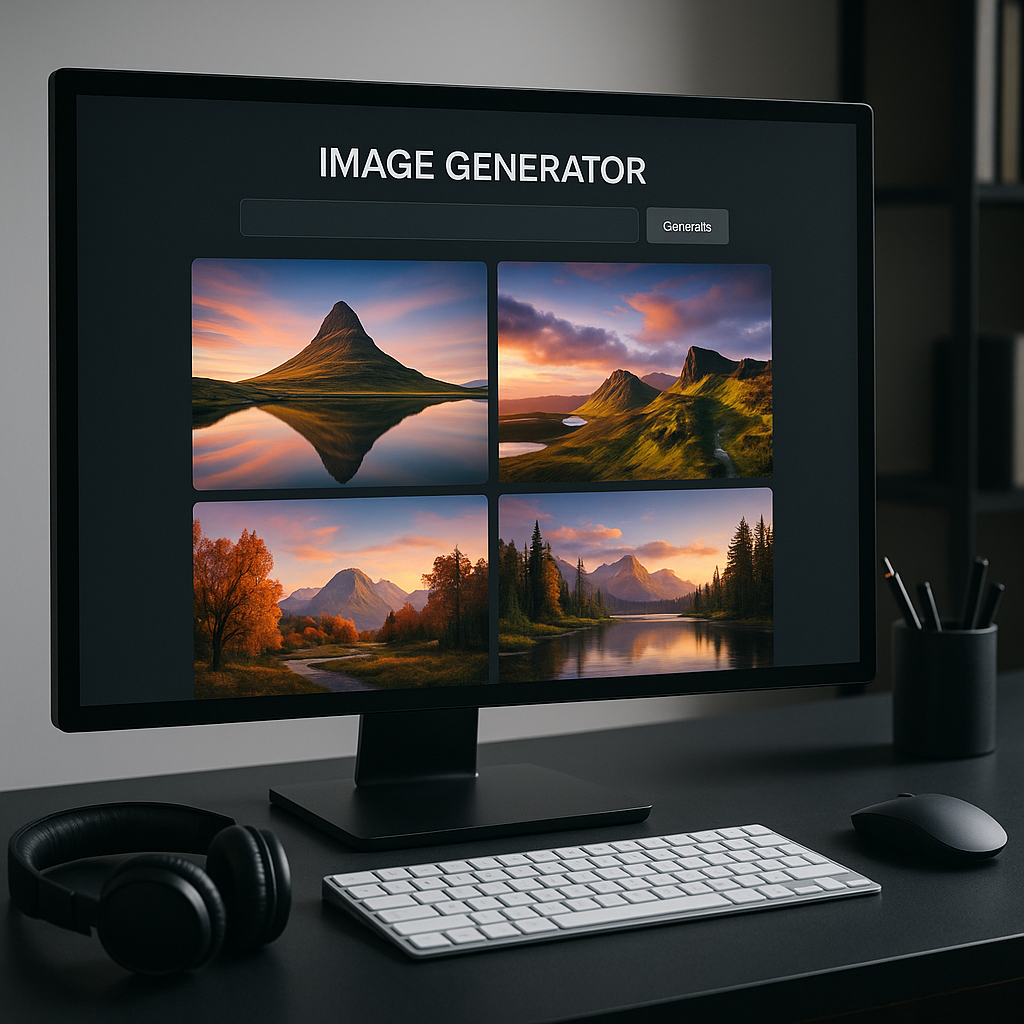
Image Generators
In recent years, image generators have surged to the forefront of the digital landscape, transforming the way individuals and businesses create visual content. These innovative tools, powered by artificial intelligence (AI) and machine learning algorithms, enable users to generate high-quality images from text prompts or existing images. This technology is not only reshaping the creative industries but also raising questions about copyright, ethics, and the future of artistry.
The evolution of image generation technology can be traced back to the advent of neural networks and deep learning. Pioneering models like Generative Adversarial Networks (GANs) have played a critical role in this transformation. GANs consist of two neural networks—the generator and the discriminator—that work together to produce images that are increasingly difficult to distinguish from real photographs. This intricate dance of creation and evaluation has led to unprecedented advancements in image quality and realism.
Notable platforms such as OpenAI's DALL-E, Midjourney, and Stable Diffusion have gained significant attention for their ability to produce stunning visuals based on user-provided text descriptions. For example, a user might input a phrase like "a serene beach at sunset with palm trees," and the image generator will create a unique artwork that embodies that description. This capability empowers users, including artists, marketers, and content creators, to visualize their ideas without needing advanced graphic design skills.
One of the most compelling aspects of image generators is their potential to democratize art and creativity. Traditionally, creating high-quality images required significant resources, including artistic skill, expensive software, and extensive training. However, with the rise of AI-driven tools, anyone with an internet connection can generate visually appealing content in a matter of seconds. This accessibility has opened doors for aspiring artists and entrepreneurs who may have previously felt excluded from the art world.
Moreover, businesses are increasingly harnessing the power of image generators to enhance their marketing strategies. Custom visuals can be created on-demand for advertisements, social media posts, and branding materials, reducing the time and cost associated with traditional graphic design. Companies can rapidly test different visual concepts, allowing for more dynamic and responsive marketing campaigns tailored to specific audiences.
Despite the numerous benefits, the rise of image generators has not been without controversy. One significant concern revolves around copyright and intellectual property rights. When a user generates an image using an AI tool, questions arise about who owns the resulting artwork—the user, the company that created the image generator, or the datasets used to train the AI. This ambiguity has prompted debates among legal experts, artists, and policymakers about the need for updated copyright laws that address the complexities of AI-generated content.
Additionally, there are ethical considerations surrounding the use of image generators. The technology has the potential to perpetuate harmful stereotypes and biases present in the training data. For instance, if an image generator is trained on datasets that predominantly feature certain demographics, it may produce outputs that reflect and reinforce those biases. This raises important questions about representation and fairness in the images being generated, particularly when these visuals are used in sensitive contexts such as advertising, education, or media.
Moreover, there is a growing concern about the potential misuse of image generators for creating misleading or harmful content. The ability to generate hyper-realistic images can be exploited to produce deepfakes, misinformation, or malicious propaganda. As a result, it becomes imperative for developers and users alike to approach this technology with caution, ensuring that ethical guidelines are established and adhered to in its application.
As the technology continues to evolve, the future of image generators looks promising yet fraught with challenges. Innovations in AI are anticipated to further enhance the capabilities of these tools, making them even more intuitive and versatile. For instance, advancements in understanding context and semantics could enable image generators to produce more nuanced and contextually appropriate visuals, thereby improving their usability across diverse fields.
The integration of image generators into various sectors is also expected to expand. In fields such as gaming, film, and virtual reality, these tools can streamline the creative process, allowing for rapid prototyping and iteration of visual elements. This could lead to richer and more immersive experiences for audiences, as creators experiment with new forms of storytelling and visual aesthetics.
Furthermore, as the technology matures, collaborations between artists and AI could become more commonplace. Instead of viewing AI as a threat to creativity, many artists are beginning to explore how they can incorporate these tools into their workflows, enhancing their creative process rather than replacing it. This symbiotic relationship may lead to new art forms and genres that blend human creativity with machine-generated elements.
In conclusion, image generators are a testament to the remarkable advancements in artificial intelligence and their transformative impact on the creative landscape. While these tools offer unprecedented opportunities for creativity and innovation, they also pose significant challenges that must be navigated carefully. As society grapples with the implications of this technology, it is clear that image generators are not merely a passing trend; they represent a fundamental shift in how we create, share, and understand visual content in the digital age.
Recent Posts
Breakthrough in Neural Networks: How New AI Models Revolutionize Global Tech
June 16, 2026
Head-to-Head: Comparing Neural Network Models and Their Impact on AI Work Today
June 16, 2026
New Breakthrough in Image Generators Promises to Revolutionize Artistic Expressi...
June 16, 2026
Maximum Potential
Get the full experience with Pro Plan
INFORMATION