January 29, 2026
Unlock Your Creativity: How Image Generators are Revolutionizing Digital Art
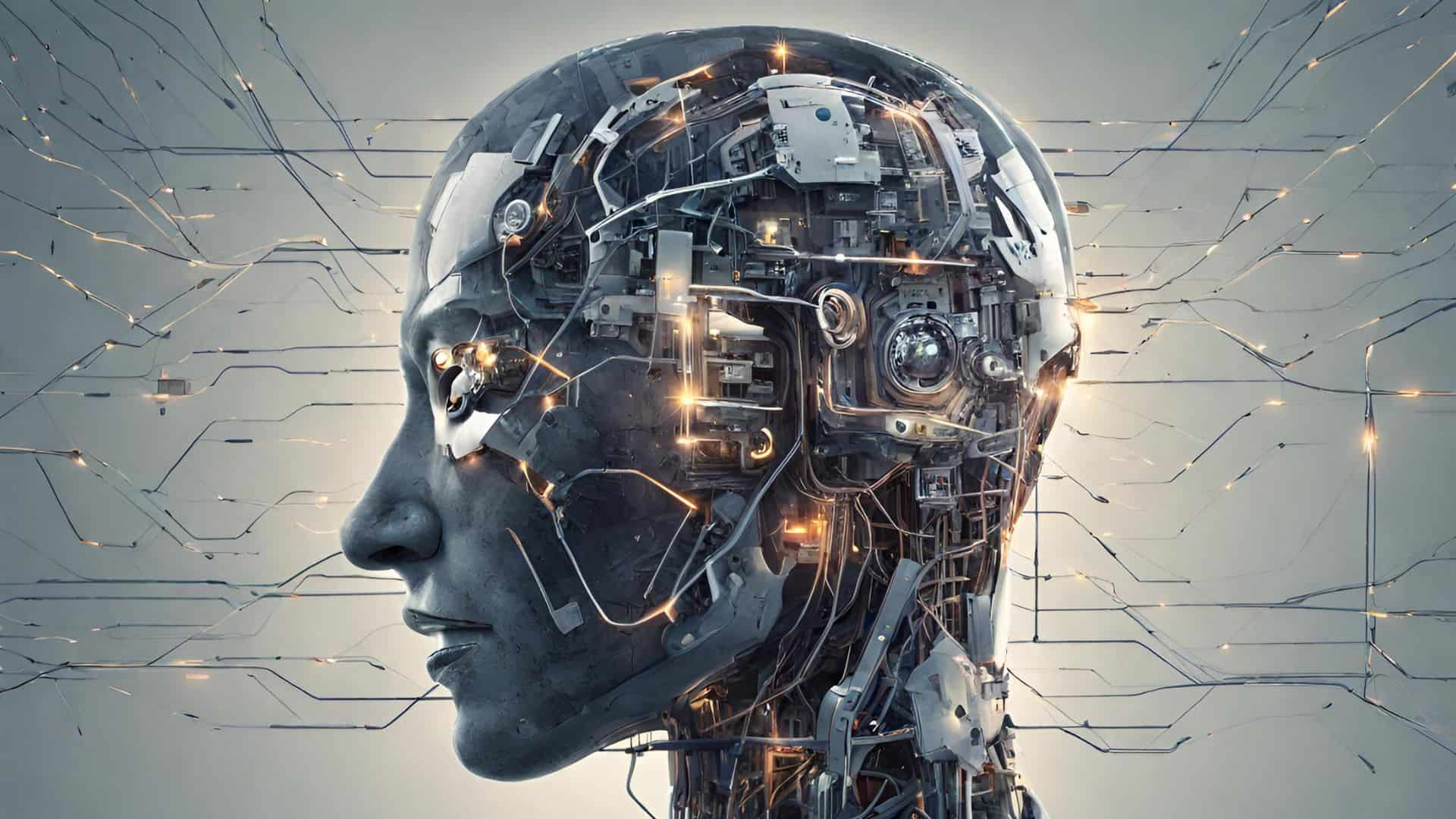
Image Generators
In recent years, the rise of image generators powered by artificial intelligence has transformed the landscape of digital art, design, and content creation. These tools, often leveraging deep learning algorithms and neural networks, have not only democratized artistic expression but also raised significant questions regarding copyright, creativity, and the future of human artists. As technology continues to evolve, understanding the mechanics, applications, and implications of image generators becomes increasingly vital.
Image generators, such as OpenAI's DALL-E, Midjourney, and Stability AI's Stable Diffusion, utilize a type of neural network known as generative adversarial networks (GANs) or diffusion models to create images from textual descriptions. These systems are trained on vast datasets containing millions of images and their associated captions. By analyzing patterns and features, the AI learns to produce highly detailed visuals that align with the prompts it receives. For instance, a request for "a futuristic cityscape at sunset" could yield an array of stunning images that capture the essence of the prompt with remarkable creativity and detail.
The implications of these advancements are profound. For artists and creators, image generators offer a powerful tool for brainstorming and inspiration. Many designers and illustrators have started to incorporate AI-generated images into their workflows, using them as a foundation to build upon or as a source of inspiration for their projects. This synergy between human creativity and AI capabilities can lead to innovative outcomes that blend traditional artistic techniques with cutting-edge technology.
Moreover, these tools have opened doors for individuals who may not have formal training in art or design. With just a few descriptive words, anyone can generate high-quality visuals, fostering an environment where creativity is accessible to all. This ease of use has led to a surge in the production of digital content, transforming how businesses approach marketing, branding, and social media engagement. Companies are increasingly leveraging AI-generated images for advertising campaigns, website design, and product visualization, allowing for rapid prototyping and cost-effective solutions.
However, the rise of image generators has also sparked intense debate surrounding copyright and intellectual property rights. As these systems generate images based on existing works, questions arise about ownership and the originality of AI-generated content. If an AI produces an image that closely resembles a copyrighted piece, who is responsible? The creator of the prompt, the developers of the AI, or the AI itself? Legal frameworks around copyright are struggling to keep pace with technological advancements, and many creators are left in a state of uncertainty regarding the legality of using AI-generated images.
Additionally, the potential for misuse of these technologies cannot be overlooked. Image generators can create hyper-realistic images that blur the lines between reality and fiction, raising concerns about misinformation and the creation of deepfakes. With the ability to generate realistic images of events or individuals that never existed, there is a growing risk that these tools could be used to deceive or manipulate public perception. As such, developers and policymakers are called upon to establish ethical guidelines and frameworks to mitigate potential risks while promoting responsible use of AI technologies.
The art community has responded to the emergence of image generators with a mix of enthusiasm and skepticism. Some artists embrace the technology, viewing it as a collaborative partner that can expand their creative horizons. Others, however, express concern that AI could undermine the value of traditional art forms and the hard work that goes into honing one’s craft. This tension between innovation and tradition is a critical discourse within artistic circles as creators navigate the implications of AI in their work.
As we delve deeper into the capabilities of image generators, it is essential to recognize their limitations. While these tools can produce visually stunning results, they often lack the depth of understanding that comes with human creativity. AI-generated images may not always align perfectly with the nuances of human emotion, cultural context, or intricate storytelling. As such, many creators argue that while AI can aid in the creative process, it cannot replace the unique perspective and emotional resonance that human artists bring to their work.
Looking ahead, the future of image generators promises to be both exciting and complex. As technology continues to advance, we can expect even more sophisticated models that push the boundaries of creativity. The integration of AI with augmented reality (AR) and virtual reality (VR) could create immersive experiences, allowing users to interact with AI-generated environments in real time. Furthermore, as ethical considerations and regulatory frameworks evolve, there will be a greater emphasis on ensuring that these technologies are used responsibly and equitably.
In conclusion, image generators represent a significant leap in the intersection of technology and creativity. They offer unprecedented opportunities for artistic expression and content creation, while also posing challenges that require careful consideration. As we embrace the potential of AI in the creative realm, it is crucial to foster dialogue around its implications, ensuring that the future of art remains inclusive, innovative, and grounded in ethical practices. The balance between human creativity and machine learning will define the next chapter in the evolution of art and design, shaping how we understand and interact with visual media in the years to come.
Recent Posts
Breakthrough in Neural Networks: How New AI Models Revolutionize Global Tech
June 16, 2026
Head-to-Head: Comparing Neural Network Models and Their Impact on AI Work Today
June 16, 2026
New Breakthrough in Image Generators Promises to Revolutionize Artistic Expressi...
June 16, 2026
Maximum Potential
Get the full experience with Pro Plan
INFORMATION