March 8, 2026
Unlock Your Creativity: How Image Generators are Revolutionizing Visual Art
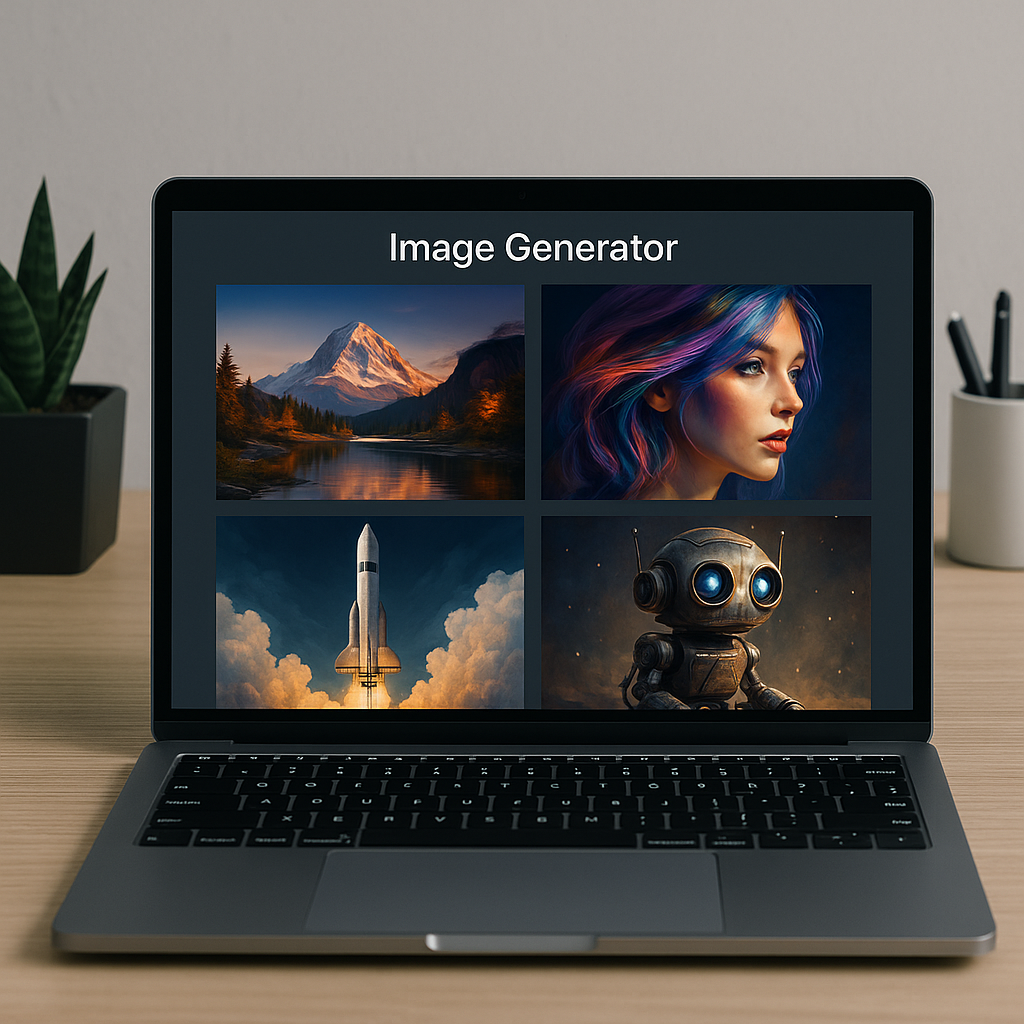
Image Generators
In recent years, the rise of image generators has transformed the landscape of digital art, design, and content creation. These sophisticated tools leverage artificial intelligence to produce images from textual descriptions, enabling users to create visuals that range from fantastical landscapes to intricate portraits, all with just a few clicks. As technology continues to evolve, the implications of these generators are vast, influencing industries such as marketing, entertainment, and even fine arts.
The underlying technology behind image generators is primarily based on deep learning algorithms, particularly generative adversarial networks (GANs) and diffusion models. GANs consist of two neural networks—the generator and the discriminator—that work against each other to create realistic images. The generator creates images, while the discriminator evaluates them, providing feedback that helps the generator improve. Diffusion models, on the other hand, start with random noise and gradually refine it into a coherent image, a process that can yield highly detailed results. This innovative approach has led to breakthroughs in image quality and diversity, making it possible for these generators to create unique and complex visuals.
One of the most prominent players in the image generator market is OpenAI with its DALL-E series. DALL-E 2, for instance, gained attention for its ability to generate stunning images from simple text prompts, allowing users to create everything from a "two-headed flamingo" to "an astronaut riding a horse in a futuristic city." The ease of use and accessibility have democratized art creation, enabling individuals without traditional artistic skills to produce professional-quality images. This capability has sparked a surge of creativity, as users experiment with different prompts and styles, pushing the boundaries of what can be visualized.
Another noteworthy contender is Midjourney, an independent research lab that focuses on exploring new mediums of thought and expanding the imaginative powers of the human species. Midjourney's platform allows users to interactively craft images through Discord, where they can input prompts and receive generated images in real-time. This community-driven approach fosters collaboration and inspiration, as users share their creations, techniques, and ideas. The social aspect of this platform enhances the overall experience, creating a vibrant ecosystem of artists and enthusiasts alike.
While the creative potential of image generators is remarkable, ethical considerations loom large. The technology raises questions about copyright, originality, and the potential misuse of generated images. Artists and creators are concerned that their work may be replicated or altered without permission, leading to a dilution of their artistic identity. As image generators become more sophisticated, the risk of generating misleading or harmful content also increases. For instance, AI-generated images can be used to create deepfakes or misinformation, complicating the landscape of digital media and trust.
In response to these concerns, many platforms are implementing measures to ensure responsible use of image-generating technologies. OpenAI, for example, has established guidelines for the ethical use of DALL-E, including restrictions on creating images that could be considered harmful or deceptive. Additionally, there is an ongoing dialogue within the creative community about how to navigate the complexities of copyright and intellectual property in this new era of AI-generated art. Some argue for new frameworks that recognize the unique nature of AI-generated content, while others advocate for maintaining traditional copyright protections.
The impact of image generators extends beyond individual creators to the broader commercial landscape. Marketing agencies and businesses are increasingly turning to these tools to streamline their creative processes. By generating high-quality visuals in a fraction of the time it would take traditional methods, companies can enhance their branding efforts, engage audiences, and reduce costs. This shift is particularly evident in industries such as e-commerce, where product images play a crucial role in influencing consumer behavior. Automated image generation enables businesses to create diverse visuals that cater to different audiences, allowing for more targeted marketing strategies.
Moreover, the entertainment industry is beginning to explore the possibilities of image generators in film, video games, and virtual reality. Concept artists and designers can utilize these tools to visualize characters, environments, and scenes, speeding up the pre-production process and allowing for more imaginative storytelling. The integration of AI-generated visuals has the potential to redefine aesthetics in media, challenging conventional norms and inspiring new artistic directions.
As image generators continue to evolve, their capabilities are likely to expand further. Innovations in AI research may lead to even more refined tools that can understand complex prompts, incorporate user feedback, and generate images that resonate on a deeper emotional level. This progression may pave the way for new genres of art that blend human creativity with machine learning, further blurring the lines between creator and creation.
Despite the challenges and ethical dilemmas posed by this technology, the excitement surrounding image generators is palpable. They represent a significant leap forward in how we think about art, creativity, and technology. As society navigates the implications of these advancements, it is crucial to foster an open dialogue about the benefits and responsibilities associated with AI-generated content.
In conclusion, image generators are not just tools; they are a reflection of our evolving relationship with technology and creativity. By embracing these innovations while remaining mindful of the ethical considerations they bring, we can harness the power of AI to inspire a new generation of artists, storytellers, and visionaries. As we stand at the intersection of art and technology, the future holds limitless possibilities, waiting to be visualized.
Recent Posts
Breakthrough in Neural Networks: How New AI Models Revolutionize Global Tech
June 16, 2026
Head-to-Head: Comparing Neural Network Models and Their Impact on AI Work Today
June 16, 2026
New Breakthrough in Image Generators Promises to Revolutionize Artistic Expressi...
June 16, 2026
Maximum Potential
Get the full experience with Pro Plan
INFORMATION