травень 1, 2026
Unlock Your Creativity: How Image Generators are Transforming Art in 2023
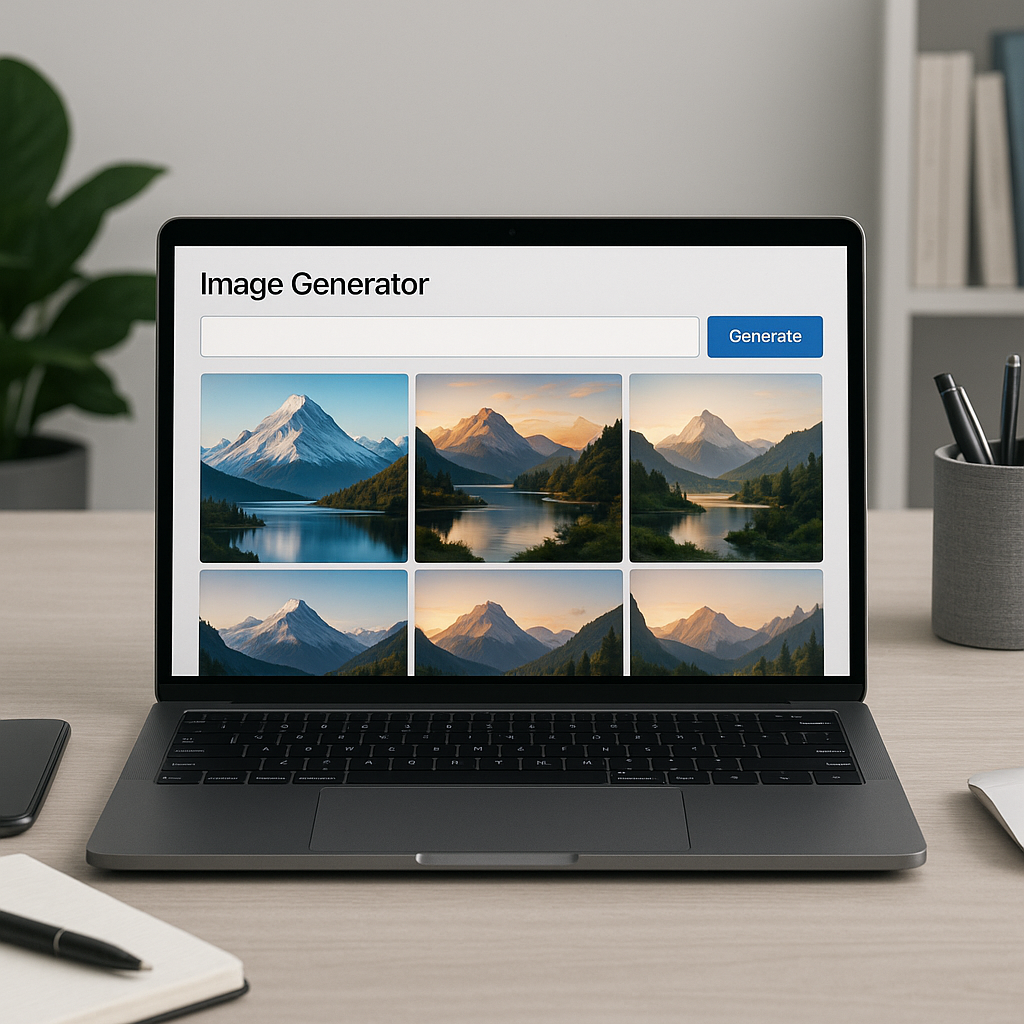
Image Generators
In recent years, the landscape of digital art and content creation has been transformed by the rise of image generators, a powerful subset of artificial intelligence (AI) technology. These tools, which utilise advanced algorithms and machine learning, have enabled users to generate images based on textual prompts, opening new avenues for creativity and expression. The surge in popularity of image generators reflects a broader trend towards the democratization of art, allowing anyone with internet access to create stunning visuals without requiring extensive artistic skills.
Image generators like OpenAI's DALL-E, Midjourney, and Stable Diffusion have captured the public's imagination, enabling users to produce high-quality images in mere seconds. By simply typing a description of the desired image, users can watch as the AI interprets their words and creates a visual representation that can range from realistic to surreal. This capability not only empowers individual creativity but also poses intriguing questions about the nature of art and authorship in the digital age.
One of the most exciting aspects of image generators is their ability to cater to diverse artistic styles and preferences. Users can generate images in the style of famous artists, create fantastical landscapes, or even produce entirely unique characters and scenes. This versatility has made these tools particularly appealing to various sectors, including advertising, gaming, and even film production, where visual content plays a vital role in storytelling and engagement.
The technology behind these image generators is rooted in neural networks, specifically a type known as Generative Adversarial Networks (GANs). These networks consist of two components: a generator that creates images and a discriminator that evaluates them. The generator aims to produce images that are indistinguishable from real ones, while the discriminator assesses their authenticity. Through iterative training, the generator improves its output, resulting in increasingly sophisticated images that can mimic various artistic styles and techniques.
As the technology evolves, the quality of generated images has improved significantly. Early iterations of image generators often produced results that were recognisably artificial, with distorted features or unrealistic textures. However, ongoing advancements in AI and machine learning have led to a remarkable enhancement in realism and detail. Today’s image generators can produce intricate visuals that can be mistaken for photographs, challenging traditional notions of what constitutes art.
Despite their numerous benefits, image generators are not without controversy. The ease with which images can be created raises ethical questions concerning copyright and ownership. For instance, if an AI generates an image based on a prompt, who holds the rights to that image? Artists and creators worry that these tools could undermine their work and devalue the artistic process. Some creators have expressed concerns that using AI-generated images without proper attribution could lead to a dilution of original artistry and creativity.
Moreover, issues of bias within AI systems have garnered attention. Image generators can inadvertently reflect and perpetuate societal biases present in the data they are trained on. If the training data contains predominantly Western-centric images, for instance, the generated outcomes may lack diversity and inclusivity. Addressing these biases is critical to ensuring that image generators serve as equitable tools for all users, regardless of their background or identity.
In response to these concerns, developers of image generator technology are actively exploring ways to incorporate ethical guidelines and improve transparency in their systems. Some platforms have begun implementing features that allow users to specify the style and context of images more precisely, thereby reducing the risk of generating inappropriate or offensive content. Additionally, there is a growing movement towards establishing industry standards for the ethical use of AI-generated artwork.
The impact of image generators extends beyond the realm of art; they are reshaping industries and influencing marketing strategies. Businesses are beginning to harness the power of AI-generated visuals to create engaging content for social media, websites, and advertising campaigns. The speed and cost-effectiveness of generating customised images can provide companies with a competitive edge, allowing them to produce tailored content that resonates with their target audiences.
In the world of gaming, image generators are being integrated into the development process, enabling designers to create immersive environments and characters more efficiently. Instead of relying solely on traditional artistic methods, game developers can leverage AI to brainstorm concepts, iterate on designs, and enhance the overall visual experience. This not only speeds up production timelines but also pushes the boundaries of creativity within the gaming industry.
Education is another area poised to benefit from the rise of image generators. As these tools become more accessible, educational institutions are exploring their potential to teach art and design principles. Students can experiment with different styles and techniques, gaining insights into visual composition while fostering their creativity. Furthermore, the use of AI in the classroom encourages discussions about technology's role in art and the ethical implications surrounding it.
As we look to the future, the implications of image generators are vast and varied. They offer exciting opportunities for innovation and creativity, but they also challenge our understanding of authorship, ethics, and the value of art. As these tools continue to evolve, it will be essential for creators, developers, and society at large to engage in thoughtful dialogue about their use and impact. By navigating the complexities of this new technological landscape, we can harness the potential of image generators while ensuring that they serve as tools for enhancement rather than replacement in the world of art and creativity.
In conclusion, image generators are reshaping the boundaries of creativity, enabling individuals from all walks of life to express themselves through visual art. While they present challenges and ethical considerations that must be addressed, their ability to democratise art and enhance various industries cannot be overlooked. As we embrace this technological revolution, the key will be to strike a balance between innovation and ethical responsibility, ensuring that the future of art remains vibrant and inclusive.
Recent Posts
Head-to-Head: Comparing Top AI Models in Работа с Нейросетями and Their Impact
червень 16, 2026
Debunking Myths: The Realities of Работа с Нейросетями and AI Models Today
червень 16, 2026
Unlocking Creativity: A Simple Guide to Using Image Generators for Beginners
червень 16, 2026
Maximum Potential
Отримайте повний досвід із планом Pro
ІНФОРМАЦІЯ