February 24, 2026
Unlock Your Creativity: How Image Generators are Transforming Digital Art
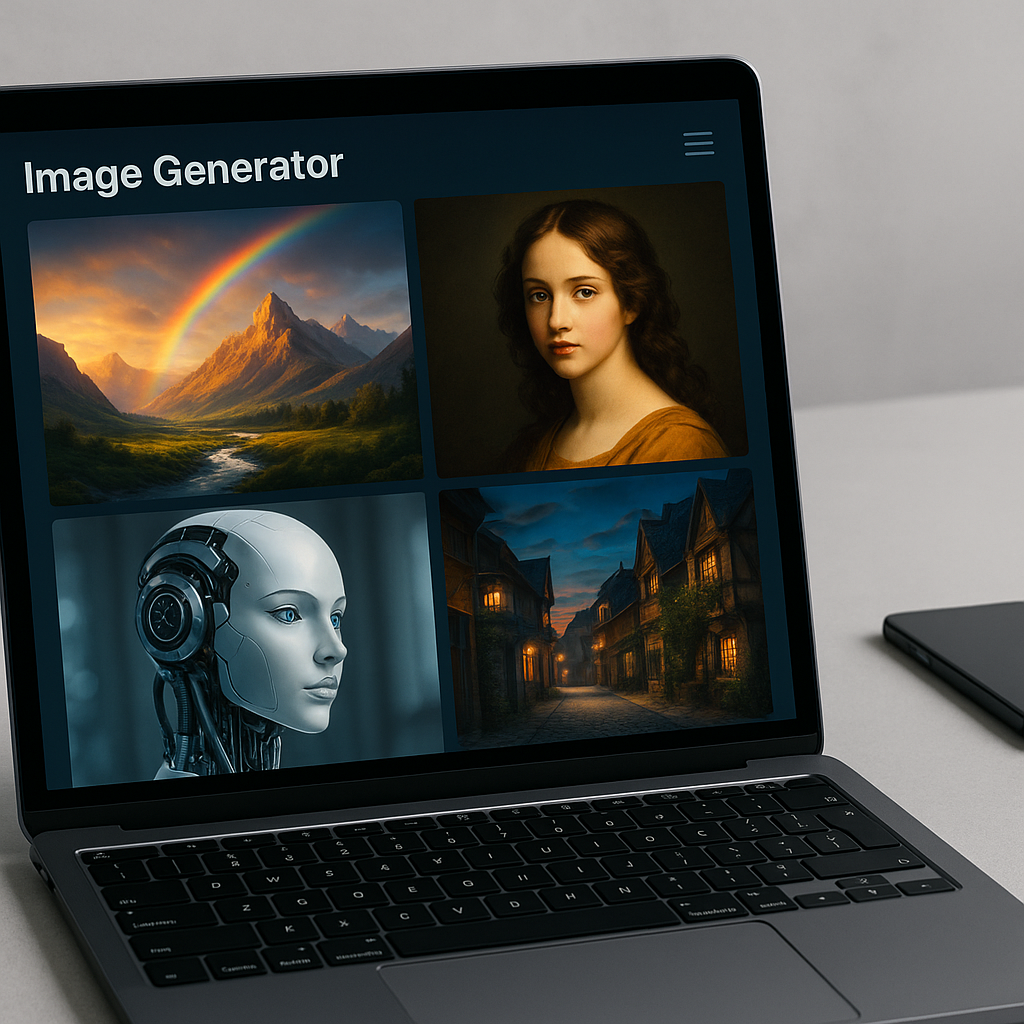
Image Generators
In recent years, the rise of image generators has marked a significant shift in how we create and perceive visual content. Utilizing advanced algorithms and artificial intelligence, these tools have empowered users—from professional artists to casual social media enthusiasts—to generate stunning images with minimal effort. As the technology behind image generation continues to evolve, it is transforming industries ranging from advertising to entertainment, and even extending into the realms of education and personal expression.
At the heart of this technological revolution are deep learning models, particularly generative adversarial networks (GANs). These models consist of two neural networks: the generator, which creates images, and the discriminator, which evaluates them. Through a process of constant feedback and refinement, the generator learns to produce increasingly realistic images. This methodology has led to impressive breakthroughs, enabling the creation of lifelike portraits, landscapes, and imaginative art that often blurs the line between reality and digital creation.
One of the most notable examples of this technology is OpenAI's DALL-E, introduced in January 2021. DALL-E can create images from textual descriptions, allowing users to input a phrase like "a two-headed flamingo wearing sunglasses" and receive a unique, high-quality image in response. This ability to translate language into visuals has opened up new avenues for creativity, making it easier for individuals without traditional artistic skills to express their ideas visually. Moreover, DALL-E’s advancements have spurred a wave of competition, with numerous companies and research institutions developing their own image-generation systems.
Another prominent player in this field is Midjourney, which has gained popularity for its unique artistic style and user-friendly interface. Midjourney allows users to create images through a straightforward chat interface, making it accessible even to those unfamiliar with complex software. This ease of use has led to its rapid adoption, particularly among content creators and influencers looking to enhance their visual storytelling. The platform's focus on community engagement, where users can share and discuss their creations, has further solidified its place in the digital art landscape.
As image generators become more widely available, their applications are expanding across various sectors. In advertising, for instance, brands are using these tools to quickly generate engaging visuals for social media campaigns, saving time and resources while maintaining a high level of creativity. The ability to produce multiple variations of an image in a short time enables marketers to test different concepts and determine what resonates best with their audience.
In the realm of entertainment, image generators are being used to create concept art for films and video games. Artists can rapidly prototype visual ideas and explore different aesthetics, which can streamline the creative process and foster innovation. Additionally, as virtual and augmented reality technologies continue to evolve, the demand for high-quality, customizable visuals is set to increase, positioning image generators as an essential tool in the development of immersive experiences.
Education is another area where image generators are making an impact. Educators are leveraging these tools to create engaging learning materials, from illustrations for textbooks to interactive visual content for online courses. The ability to generate images on-the-fly allows educators to tailor content to their students' needs, enhancing engagement and understanding. Furthermore, students themselves can use these tools to explore their creativity, developing visual literacy skills that are increasingly important in today's digital world.
However, the rise of image generators is not without its challenges and controversies. One major concern is the ethical implications of using AI-generated imagery, particularly in relation to copyright and intellectual property. As these tools become more adept at mimicking existing styles and artworks, questions arise about ownership and originality. For instance, if an image generator creates a piece that closely resembles a famous painting, who holds the rights to that creation? The legal frameworks surrounding these issues are still evolving, and the art community is grappling with how to address them responsibly.
Another pressing issue is the potential for misuse. Image generators can be employed to create misleading or harmful content, such as deepfakes or propaganda. The ease with which these images can be produced raises concerns about misinformation and the erosion of trust in visual media. As a result, some platforms are implementing measures to watermark or identify AI-generated images, in an effort to combat disinformation and promote transparency.
The technological advancements driving image generators also raise questions about the future of creative professions. As these tools become more sophisticated, there is a growing debate about whether artists and designers will be displaced or if they will find new ways to collaborate with AI. Many experts argue that rather than replacing human creativity, image generators can serve as tools that enhance artistic expression. By automating repetitive tasks, artists can focus on higher-level creative decisions and push the boundaries of their work.
Looking ahead, the future of image generation appears bright. As algorithms become more refined and accessible, the barriers to entry for creating high-quality visual content will continue to lower. This democratization of creativity could lead to an explosion of artistic expression, with more voices contributing to the visual landscape than ever before. Furthermore, as society grapples with the implications of this technology, it will be crucial to foster a discussion around ethical guidelines and best practices to ensure that image generators are used responsibly and creatively.
In conclusion, image generators are redefining the way we create and interact with visual content. From their roots in advanced AI to their practical applications across various industries, these tools are transforming creative processes and challenging our notions of art and authorship. As we navigate the opportunities and challenges presented by this technology, it is clear that image generators will play a pivotal role in shaping the future of visual storytelling.
Recent Posts
Breakthrough in Neural Networks: How New AI Models Revolutionize Global Tech
June 16, 2026
Head-to-Head: Comparing Neural Network Models and Their Impact on AI Work Today
June 16, 2026
New Breakthrough in Image Generators Promises to Revolutionize Artistic Expressi...
June 16, 2026
Maximum Potential
Get the full experience with Pro Plan
INFORMATION