березень 9, 2026
Unlock Your Creativity: How Image Generators are Transforming Digital Art
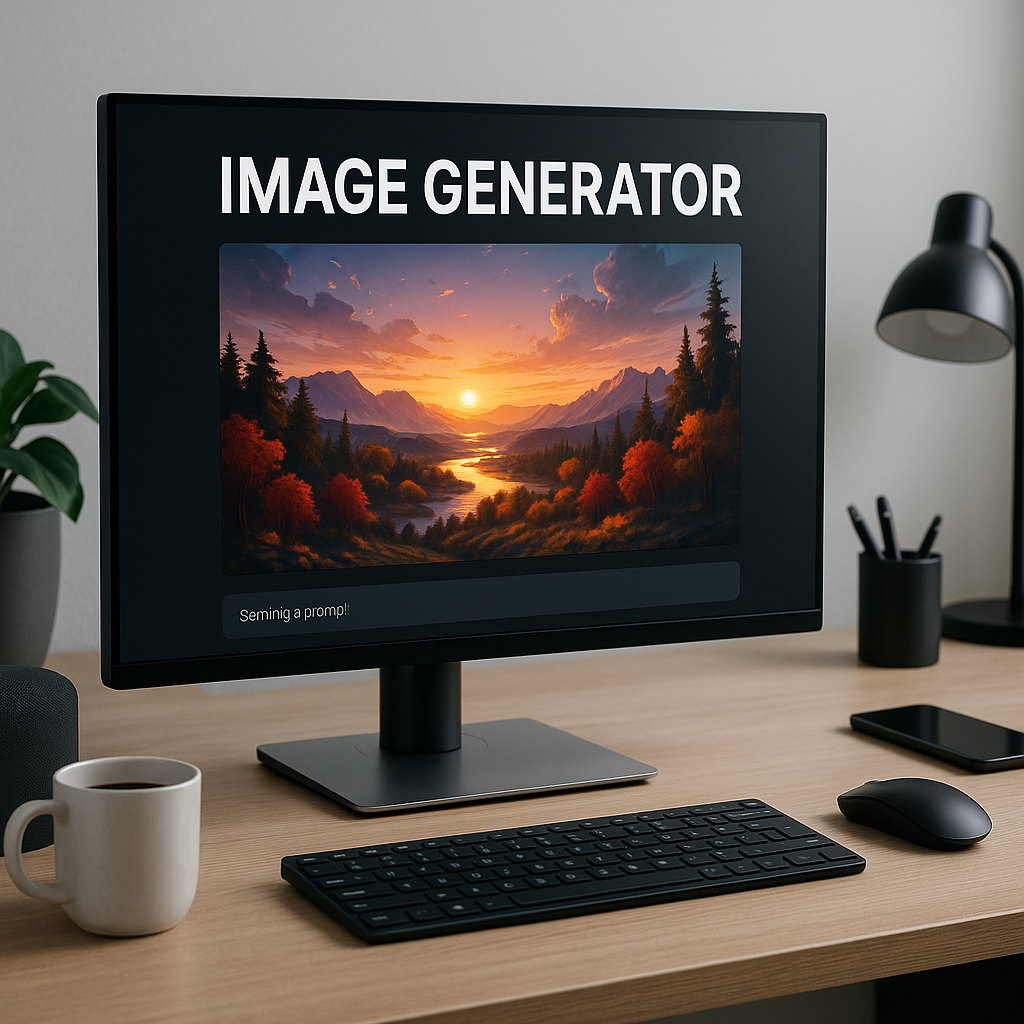
Image Generators
The evolution of image generators has marked a significant chapter in the intersection of technology and creativity. With the rise of artificial intelligence, these tools have become increasingly sophisticated, allowing users to create stunning visuals with minimal effort. From artistic renditions to hyper-realistic images, AI-driven image generators are redefining the boundaries of digital art and design.
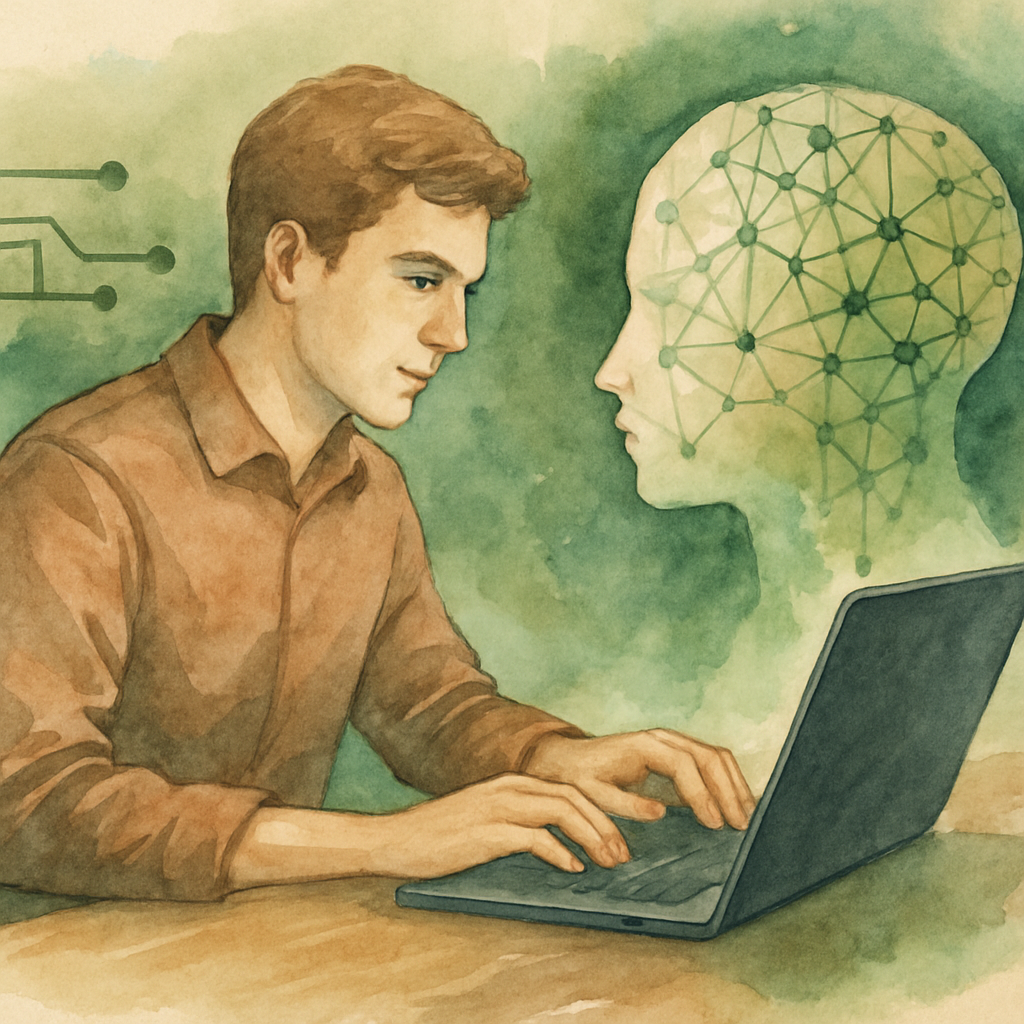
Image generators utilise neural networks to transform textual descriptions into visual representations. The technology behind these generators is rooted in deep learning, a subset of machine learning that mimics the way human brains process information. By training on vast datasets of images and their corresponding descriptions, these models learn to understand the relationships between words and visuals. As a result, they can produce high-quality images based on user inputs, whether it’s a simple phrase or a complex scene.
One of the most notable advancements in this field is the development of Generative Adversarial Networks (GANs). GANs consist of two neural networks: a generator that creates images and a discriminator that evaluates them. This dual structure allows for a continuous feedback loop, where the generator improves its output based on the discriminator's evaluations. The result is an increasingly refined ability to produce images that are not only visually appealing but also contextually relevant.
Among the multitude of image generators available today, OpenAI’s DALL-E and its successor DALL-E 2 have garnered significant attention. DALL-E, named after the artist Salvador Dalí and Pixar's WALL-E, gained fame for its ability to generate imaginative and surreal images from text prompts. DALL-E 2 takes this a step further, producing higher-resolution images with even more nuanced interpretations of user inputs. For example, a simple phrase like “a two-headed flamingo in a futuristic city” can yield a vibrant, detailed image that captures the essence of the prompt.
Similarly, Midjourney has emerged as a popular platform for creating visually striking images. It allows users to experiment with various styles and artistic influences, enabling them to generate artwork that aligns closely with their creative visions. Users can engage with the platform via Discord, making collaboration and sharing seamless. This community-driven approach has fostered a vibrant ecosystem where artists and enthusiasts can exchange ideas and inspiration.
Furthermore, Stability AI's Stable Diffusion has made waves by offering an open-source alternative to proprietary image generation tools. This accessibility has empowered a broader audience to experiment with AI-generated art. Artists, designers, and hobbyists alike can utilise Stable Diffusion to create everything from digital paintings to concept art, all while retaining control over the creative process. The open-source nature of the software encourages innovation, as developers can build upon the existing framework to create unique applications and features.
As image generators become more mainstream, their applications extend beyond mere aesthetics. Industries such as advertising, gaming, and fashion are beginning to incorporate these tools into their workflows. Marketers can use image generators to create targeted visuals for campaigns, while game developers can rapidly prototype characters and environments. In the fashion world, designers experiment with AI-generated patterns and styles, pushing the boundaries of what is possible in clothing design.
However, the rise of image generators is not without its challenges. The ethical implications of AI-generated content have sparked heated debates within creative communities. Questions surrounding copyright, originality, and the potential for misuse are at the forefront of these discussions. For instance, if an artist uses an image generator to create a piece, who owns the rights to that artwork? Furthermore, the ability of these tools to replicate existing styles raises concerns about the authenticity of art and the potential devaluation of human creativity.
Moreover, the risk of generating harmful or misleading content cannot be overlooked. As with any powerful technology, there is potential for misuse. Cases of generating fake images for misinformation or propaganda highlight the need for responsible usage and oversight. Developers of image generation tools are increasingly aware of these issues and are implementing safeguards to prevent the generation of inappropriate or harmful content.
Despite these challenges, the future of image generators appears bright. As technology continues to advance, we can expect even more sophisticated tools that enhance the creative process. Innovations in user interfaces, integration with other digital tools, and improved understanding of context will likely lead to more intuitive and versatile image generation experiences.
Furthermore, the potential for collaboration between human artists and AI is an exciting frontier. Rather than viewing AI as a replacement for creativity, many in the artistic community see it as a powerful ally. By leveraging the strengths of both human intuition and machine learning, artists can push the boundaries of their craft and explore new dimensions of creativity.
In conclusion, image generators represent a fascinating convergence of technology and art, offering unprecedented opportunities for creativity and expression. As these tools continue to evolve, they will undoubtedly shape the landscape of digital art, revolutionising how we create and interact with visual content. The ongoing dialogue about the ethical implications of AI-generated art will be crucial in ensuring that this powerful technology is used responsibly and positively, fostering a future where human creativity and artificial intelligence coexist harmoniously.
Recent Posts
Maximum Potential
Отримайте повний досвід із планом Pro
ІНФОРМАЦІЯ