March 15, 2026
Unlock Your Creativity: How Image Generators are Transforming Digital Art
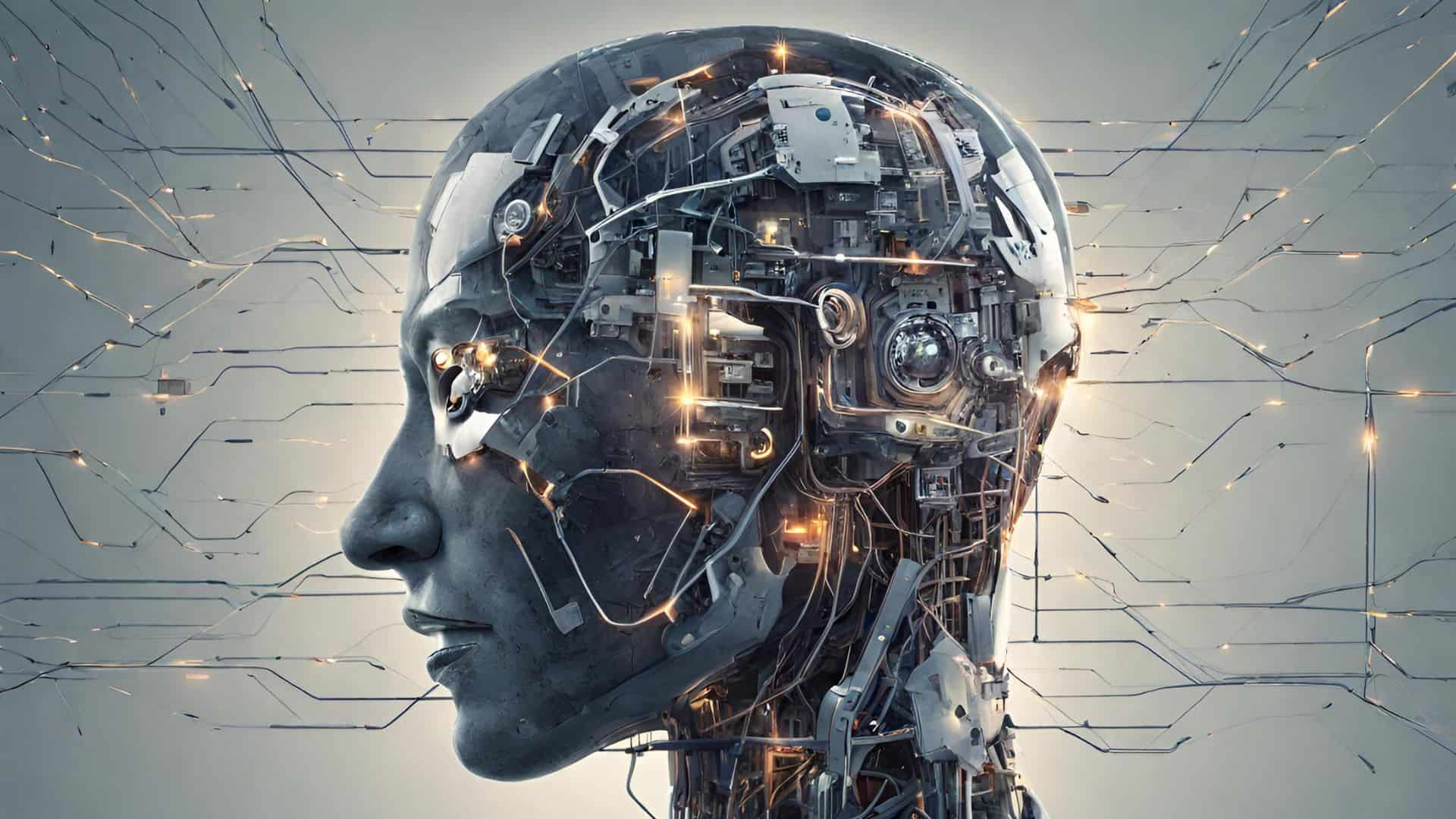
Image Generators
In recent years, the rise of artificial intelligence has dramatically transformed various industries, and one of the most fascinating developments has been the emergence of image generators. These sophisticated algorithms, often powered by deep learning techniques, are capable of creating stunning visuals that range from photorealistic images to abstract art. As businesses and individuals alike explore the potential of these technologies, the implications for creativity, commerce, and culture are profound.
Image generators, such as DALL-E by OpenAI, Midjourney, and Stable Diffusion, utilize a technique called Generative Adversarial Networks (GANs) or diffusion models to produce images from textual descriptions. The underlying principle is relatively straightforward: a generator creates an image based on input data, while a discriminator evaluates the quality of the image. Over successive iterations, the generator learns to produce increasingly realistic images, ultimately resulting in outputs that can be indistinguishable from those created by human artists.
One of the most notable aspects of these image generators is their ability to democratize art and design. Traditionally, creating high-quality visual content required a level of skill, training, and access to expensive software. However, with the advent of AI-driven tools, anyone with an idea can generate images with just a few clicks. This shift has empowered non-artists and enthusiasts to explore their creative sides, spawning a new wave of artistic expression that blurs the lines between human and machine creativity.
The applications of image generators are vast and varied. In the marketing and advertising sectors, businesses can quickly produce eye-catching visuals for campaigns, social media posts, and product mockups without the need for extensive design teams. This not only saves time and money but also enables rapid iteration and experimentation, allowing companies to adapt to changing trends and consumer preferences with unprecedented agility.
Moreover, image generators have found a home in the realm of entertainment. Video game developers, filmmakers, and content creators are leveraging these tools to create concept art, storyboards, and even entire scenes. The ability to visualize ideas instantly can streamline the creative process, leading to more innovative storytelling and immersive experiences. For instance, a game designer might input a simple textual description of a fantastical landscape, and the generator can produce multiple variations, inspiring new directions for the game’s visual style.
However, the rise of image generators has not been without its controversies. One of the primary concerns revolves around copyright and intellectual property rights. As AI-generated images become more prevalent, questions arise about ownership and the originality of these creations. If a generator produces an image based on existing artworks or styles, who is the rightful owner? These legal ambiguities have prompted discussions among artists, legal experts, and tech companies about the need for new frameworks to address these challenges.
Another significant issue relates to the potential for misuse. Image generators can create hyper-realistic images that might be used to spread misinformation or generate harmful content. The capacity to create fake images of public figures or events poses a risk to society, as it becomes increasingly difficult to discern reality from fabrication. This has led to calls for ethical guidelines and regulations governing the use of AI technologies to ensure they are used responsibly and transparently.
Furthermore, the impact of image generators on traditional artists and illustrators cannot be overlooked. While some view AI as a tool that can enhance creativity, others worry that it may threaten their livelihoods. As the line between human-created and machine-generated art continues to blur, artists are challenged to differentiate their work and find ways to adapt to a rapidly changing landscape. Many artists are exploring collaborations with AI, using these tools to augment their creative processes rather than replace them, leading to innovative hybrid art forms.
The technology behind image generators is evolving at an astonishing pace, with ongoing advancements in machine learning and neural networks. Recent innovations have focused on improving the quality and coherence of generated images, enabling more complex and nuanced outputs. Additionally, researchers are exploring ways to make these systems more interpretable, allowing users to understand how and why certain images are produced. This transparency is crucial for building trust and ensuring that users can engage with the technology confidently.
As image generators continue to gain traction, their influence will likely extend beyond the realms of art and design. Industries such as education, healthcare, and architecture are beginning to explore the potential applications of AI-generated visuals. For instance, educators can create engaging illustrations to enhance learning materials, while architects might use these tools to visualize building designs before they are constructed. The possibilities are limited only by our imagination.
In conclusion, image generators represent a significant leap forward in the intersection of technology and creativity. While they bring forth exciting opportunities for innovation and expression, they also raise important ethical considerations that must be addressed. As the technology evolves, society must strive to balance the benefits of AI-driven creativity with the need for responsible use and protection of artistic integrity. The future of image generation is bright, and its impact will undoubtedly reshape the way we create, consume, and understand visual art in the years to come.
Recent Posts
Breakthrough in Neural Networks: How New AI Models Revolutionize Global Tech
June 16, 2026
Head-to-Head: Comparing Neural Network Models and Their Impact on AI Work Today
June 16, 2026
New Breakthrough in Image Generators Promises to Revolutionize Artistic Expressi...
June 16, 2026
Maximum Potential
Get the full experience with Pro Plan
INFORMATION