March 18, 2026
Unlock Your Creativity: How Image Generators Are Transforming Digital Art
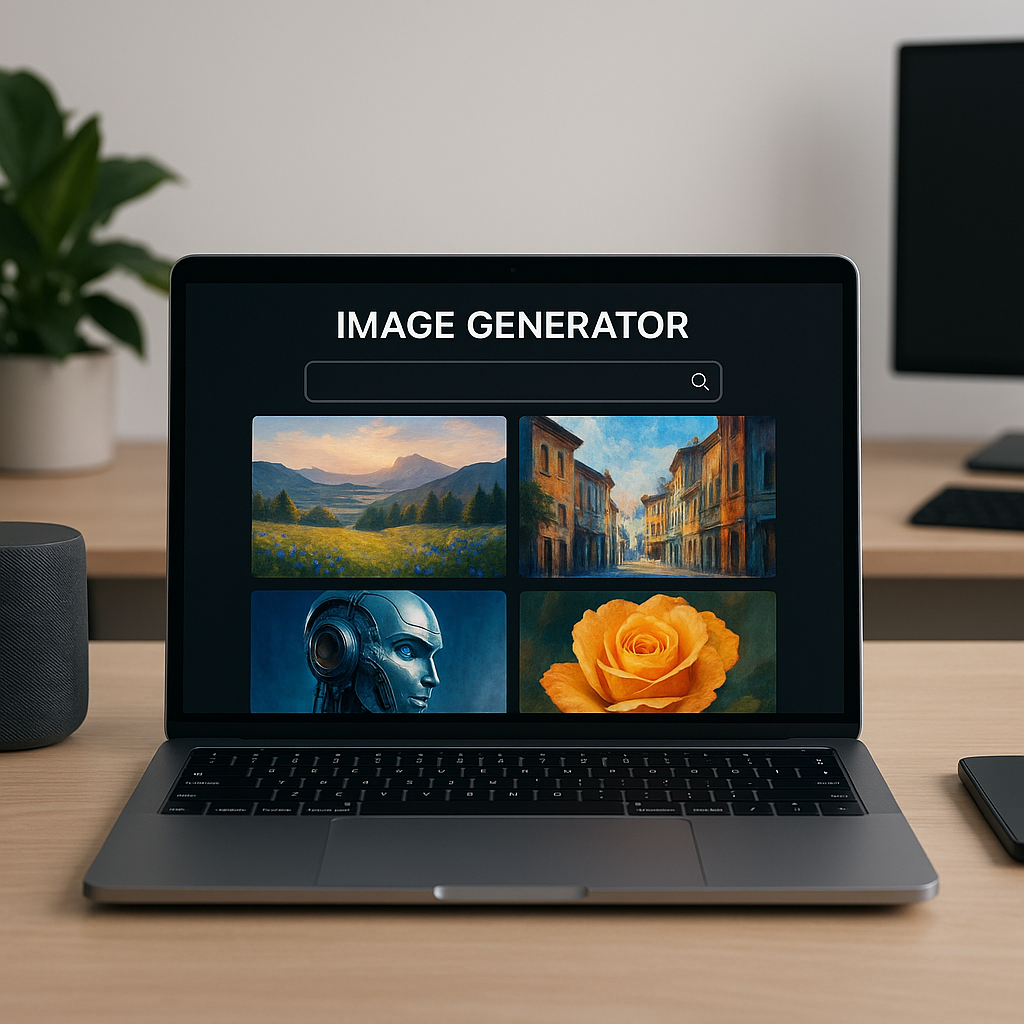
Image Generators
Image generators, powered by artificial intelligence, have swiftly transformed the landscape of digital art, design, and content creation. These innovative tools utilize complex algorithms and machine learning techniques to create stunning visuals from simple text prompts or even through the manipulation of existing images. As their capabilities expand, image generators are emerging as essential resources for artists, marketers, and businesses alike, reshaping the way we think about creativity and visual expression.
The technology behind image generators primarily relies on neural networks, particularly those known as Generative Adversarial Networks (GANs) and diffusion models. GANs consist of two neural networks—the generator and the discriminator—that work in tandem to produce new data. The generator creates images, while the discriminator evaluates them against real images, allowing the generator to learn and improve over time. Diffusion models, on the other hand, introduce a novel approach by starting with random noise and gradually refining it to create high-quality images. This process has proven exceptionally effective for generating intricate and detailed artwork.
One of the most notable advancements in this field has been the introduction of models like DALL-E, Midjourney, and Stable Diffusion. DALL-E, developed by OpenAI, gained significant attention for its ability to generate imaginative and surreal images based on textual descriptions. Users can input phrases such as "an astronaut riding a horse in a futuristic city," and the model produces corresponding visuals that often exceed expectations in creativity and coherence. Midjourney has also made waves in the creative community, offering an easy-to-use platform for generating art that often resembles the styles of famous artists, enabling users to explore various artistic expressions seamlessly.
Stable Diffusion, released by Stability AI, marked a significant milestone by allowing users to run the model locally on their devices, democratizing access to advanced image generation technology. This move has empowered a broader range of users, from casual creators to professional artists, to harness the power of AI without the need for expensive cloud computing resources. As a result, the range of possible applications for image generators has expanded dramatically.
The implications of image generators extend beyond artistic expression; they are becoming invaluable tools in industries like marketing, advertising, and entertainment. Brands are leveraging these tools to create eye-catching visuals for campaigns, enabling rapid prototyping of design concepts and reducing the time and costs associated with traditional graphic design. For instance, a marketing team can quickly generate multiple variations of an advertisement, test different aesthetics, and determine which resonates best with their target audience—all within a fraction of the time it would take with conventional methods.
Moreover, the entertainment industry is seeing a surge in the use of image generators for concept art and character design. Filmmakers and game developers are utilizing these tools to brainstorm visuals that help them visualize their ideas before committing to costly production processes. This not only streamlines creative workflows but also enhances collaboration among teams, as artists and designers can quickly share and refine concepts based on generated images.
However, with the rapid proliferation of image generators come ethical considerations and challenges. One of the primary concerns is the potential for misuse, such as creating misleading images or deepfakes. As image generation technology becomes more sophisticated, the ability to create hyper-realistic images presents risks in misinformation, particularly in the realms of politics and news media. The ease with which one can produce convincing images raises questions about authenticity and trust, prompting discussions about the need for regulation and responsible use of these technologies.
Another ethical concern revolves around copyright issues. Many image generators are trained on vast datasets that include copyrighted works, raising questions about ownership and the rights of original creators. As the line between AI-generated content and human-created art blurs, discussions about intellectual property rights are becoming increasingly pertinent. Artists are understandably concerned about their work being used without permission, and there is a growing call for clearer guidelines and frameworks to protect creators in the age of AI.
Despite these challenges, the potential benefits of image generators are undeniable. They have opened up new avenues for creativity, allowing individuals with no formal artistic training to produce compelling visuals. This democratization of art has given rise to a new generation of creators who can express their ideas in novel ways, often leading to unexpected and innovative outcomes. The ability to generate images that reflect personal visions or artistic styles can inspire collaboration and experimentation across diverse fields.
The educational sector is also beginning to embrace image generators as teaching tools. Art and design educators are incorporating these technologies into their curricula, helping students understand the intricacies of digital art while encouraging them to explore the boundaries of creativity. By combining traditional artistic principles with modern technology, educational institutions are preparing students for a future where AI and human creativity coexist and complement each other.
As the field of image generation continues to evolve, we can expect to see further advancements that enhance the quality, speed, and accessibility of these tools. Ongoing research into improving the algorithms and expanding the capabilities of image generators will likely lead to even more refined outputs. Innovations such as real-time collaboration features, improved user interfaces, and enhanced customization options are on the horizon, promising to elevate the user experience and broaden the applications of these technologies.
In conclusion, image generators represent a significant leap forward in the intersection of technology and creativity. They are reshaping how we create, share, and engage with visual content, offering exciting possibilities while also raising important ethical considerations. As we navigate this evolving landscape, it will be crucial to strike a balance between harnessing the power of image generation and ensuring responsible and fair use. The future of image generators is bright, and their impact will undoubtedly be felt across various sectors, from art and design to marketing and education, as we continue to explore the limitless potential of artificial intelligence in creative expression.
Recent Posts
Breakthrough in Neural Networks: How New AI Models Revolutionize Global Tech
June 16, 2026
Head-to-Head: Comparing Neural Network Models and Their Impact on AI Work Today
June 16, 2026
New Breakthrough in Image Generators Promises to Revolutionize Artistic Expressi...
June 16, 2026
Maximum Potential
Get the full experience with Pro Plan
INFORMATION