квітень 3, 2026
Unlock Your Creativity: How Image Generators Are Transforming Digital Art
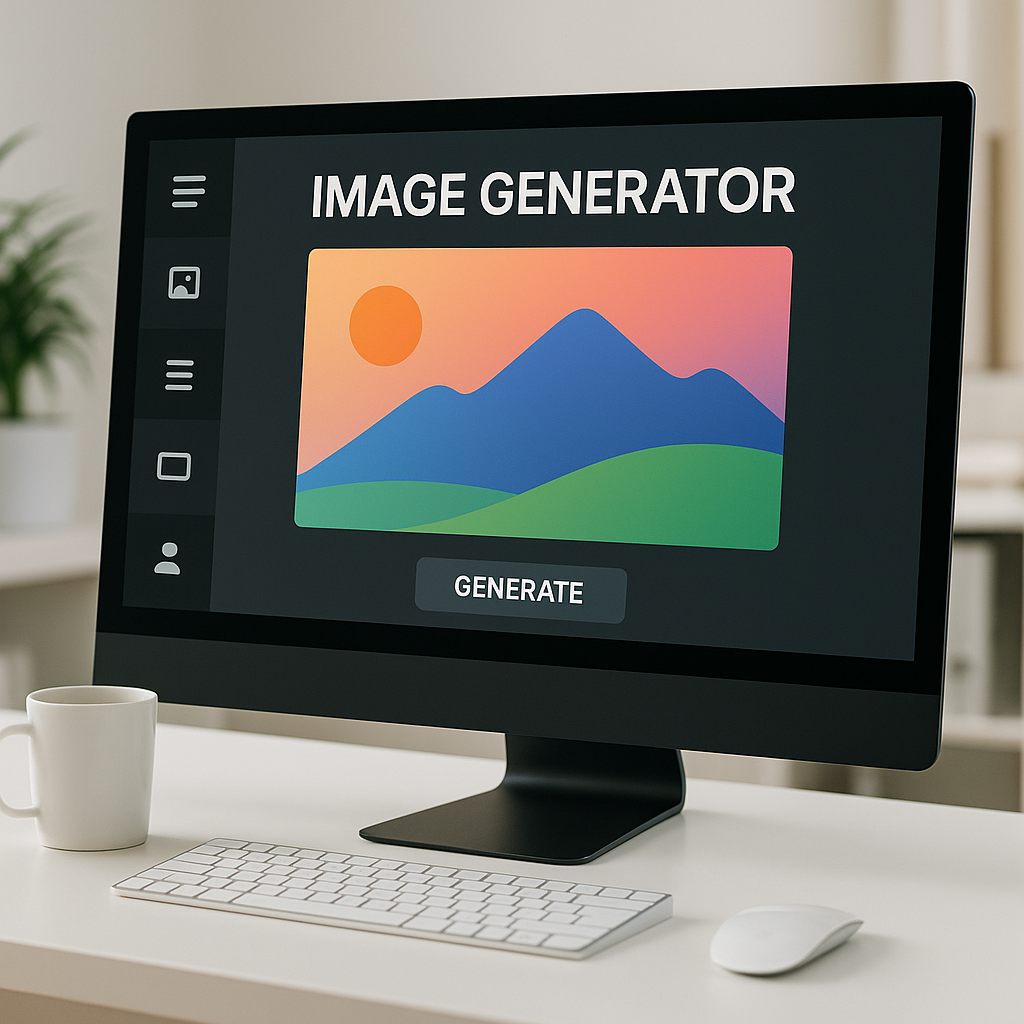
Image Generators
In recent years, image generators have surged into the spotlight, transforming the landscape of digital art, marketing, and content creation. These advanced tools utilize artificial intelligence (AI) and machine learning algorithms to create compelling images from textual descriptions or existing visuals. The implications of this technology extend beyond mere novelty; they pose significant questions about creativity, copyright, and the future of artistic expression.
At the core of many image generators is a type of AI known as Generative Adversarial Networks (GANs). These systems comprise two neural networks—the generator and the discriminator—that work in tandem to produce realistic images. The generator creates images, while the discriminator evaluates them against real images, providing feedback that improves the generator's output. Over time, this process refines the images to the point where they can appear indistinguishable from those produced by human artists.
One of the most notable image generators to emerge in recent years is OpenAI’s DALL-E, which gained immense popularity for its ability to create unique and imaginative images from text prompts. Users can input phrases like “a two-headed flamingo in a futuristic city,” and DALL-E will generate an original image that captures the essence of the request. This capability has not only fascinated artists and designers but has also had a profound impact on industries ranging from advertising to gaming.
The rise of image generators has democratized art creation. Traditional methods often require extensive training and experience, making them inaccessible to many. However, with image generators, anyone can produce visually striking content with just a few clicks. This accessibility has inspired a new wave of creativity, allowing individuals without formal artistic training to explore their ideas visually. As a result, we see a surge of unique, diverse content flooding social media platforms, where users share their AI-generated artwork.
Despite the excitement surrounding these tools, the proliferation of image generators raises important ethical and legal questions. One significant concern involves copyright issues. Who owns the rights to an image created by an AI? As these technologies evolve, the blurred lines between human and machine creativity challenge existing legal frameworks. Copyright laws, which were designed for human authors, must adapt to accommodate the realities of AI-generated content. Some argue that the creators of the algorithms should hold the rights, while others believe that the users who input the prompts should be seen as the true authors.
The ethical implications extend further, touching upon the potential for misuse. Image generators can create hyper-realistic images that could be used to spread misinformation or create deepfakes. As these technologies become more sophisticated, the risk of their application in harmful ways grows. Experts are calling for regulations and guidelines to ensure responsible usage, emphasizing the need for a balance between innovation and ethics.
In the commercial realm, businesses are quick to adopt image-generating technology to enhance their marketing strategies. Brands can produce tailored visuals for campaigns at a fraction of the cost of hiring a professional photographer or graphic designer. For instance, a small business can generate promotional images for social media with specific branding elements, allowing them to compete with larger companies that have more resources. This shift could revolutionise the advertising industry, enabling brands to produce large volumes of bespoke content quickly.
Moreover, the gaming industry is also experiencing a transformation as image generators empower developers to create expansive and immersive worlds. By allowing AI to generate landscapes, characters, and even entire levels, game designers can focus on crafting engaging narratives and gameplay mechanics. This could significantly reduce development time and costs, making it easier for indie developers to enter the market.
However, it is essential to consider the potential downsides for artists and designers. With the ease of generating images, there is a risk that the value of traditional artistry may diminish. Artists may find it increasingly challenging to compete with AI-generated visuals, especially in fields where quick turnaround times and cost-effectiveness are priorities. This scenario could lead to a new form of artistic hierarchy, where AI-generated works dominate, pushing traditional artists to the margins.
To navigate these challenges, artists and technologists are beginning to explore collaborative approaches. Some are experimenting with hybrid models where human creativity and AI generation work hand in hand. For example, artists may use image generators as a tool to inspire their work, taking AI-generated images as a starting point and adding their unique touches. This synergy could lead to entirely new art forms that blend human intuition with machine efficiency.
As the technology continues to evolve, it is crucial for society to engage in ongoing discussions about the implications of image generators. Educational institutions, policymakers, and industry leaders must work together to establish frameworks that protect creative rights while fostering innovation. By doing so, we can harness the potential of AI in a way that complements human creativity rather than undermines it.
In conclusion, image generators represent a fascinating intersection of technology and art, offering unprecedented opportunities for creativity and expression. As we embrace this new frontier, it is vital to remain vigilant about the ethical, legal, and social implications that accompany such powerful tools. By fostering a collaborative environment where human creativity and artificial intelligence can thrive together, we can ensure that the future of art remains vibrant and inclusive.
Recent Posts
Head-to-Head: Comparing Top AI Models in Работа с Нейросетями and Their Impact
червень 16, 2026
Debunking Myths: The Realities of Работа с Нейросетями and AI Models Today
червень 16, 2026
Unlocking Creativity: A Simple Guide to Using Image Generators for Beginners
червень 16, 2026
Maximum Potential
Отримайте повний досвід із планом Pro
ІНФОРМАЦІЯ