квітень 11, 2026
Unlock Your Creativity: How Image Generators are Transforming Digital Art
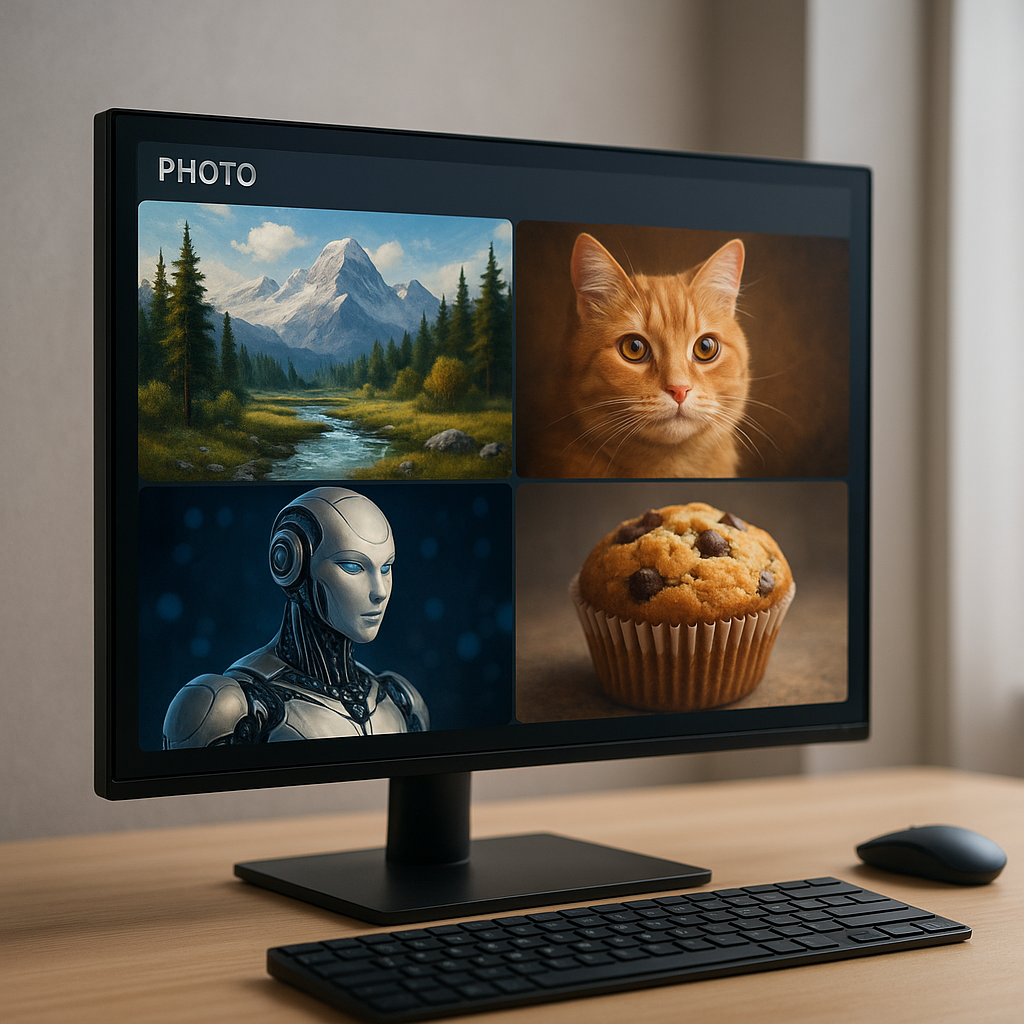
Image Generators
The rapid evolution of technology has consistently transformed the way we create and consume content. In recent years, one of the most intriguing developments in this space has been the emergence of image generators powered by artificial intelligence (AI). These innovative tools have not only revolutionised the artistic landscape but have also sparked debates around creativity, copyright, and the future of visual arts.
Image generators are sophisticated algorithms that can produce images based on textual descriptions or prompts provided by users. Leveraging deep learning techniques, particularly Generative Adversarial Networks (GANs), these systems learn from vast datasets of images and their associated texts. As a result, they can create original images that range from photorealistic to abstract, depending on the input they receive. Leading the charge in this field are platforms like DALL-E, Midjourney, and Stable Diffusion, each offering unique features and capabilities that cater to a diverse range of users.
One of the most notable aspects of these AI-driven image generators is their accessibility. Artists, designers, and even casual users can produce high-quality visuals without requiring extensive technical skills. This democratization of image creation opens up new avenues for creativity, allowing individuals to explore ideas and visual concepts that may have previously been out of reach due to time, skill, or resource constraints. As a result, we are witnessing a surge in user-generated content across social media platforms, with creators sharing their AI-generated artworks to wide acclaim.
However, the rise of image generators has not been without controversy. One significant concern revolves around the question of originality and authorship. As these AI systems learn from existing artworks, there are growing fears that they may inadvertently replicate the styles or elements of established artists, leading to potential copyright issues. The debate intensifies when considering the implications for professional artists who rely on their unique styles to make a living. Critics argue that the proliferation of AI-generated images could dilute the value of human artistry, while proponents assert that these tools can complement traditional art rather than replace it.
To address these concerns, some platforms have begun implementing measures to ensure ethical usage of their technologies. For instance, certain image generators now include filters that prevent users from creating content that closely resembles specific copyrighted works. Moreover, discussions around licensing and fair use are becoming increasingly important, with industry stakeholders advocating for clearer guidelines to protect both creators and consumers in this evolving landscape.
Another area of contention is the potential for misuse of image generators. The ability to create realistic images raises ethical questions about authenticity and misinformation. Instances of AI-generated images being used in misleading contexts have already surfaced, with manipulated visuals appearing in news articles and social media feeds. This issue has prompted calls for transparency in the use of AI-generated content, as well as the development of technology capable of identifying and labelling such images to mitigate the risk of deception.
Despite these challenges, the benefits of image generators are undeniable. They have the potential to enhance creative processes in various fields, from advertising to education. For instance, marketers can quickly generate visual content tailored to specific campaigns, while educators can create engaging illustrations for teaching materials. Furthermore, these tools can serve as a catalyst for collaboration between human artists and AI, inspiring new forms of artistic expression and innovation.
As we look to the future, it is clear that image generators will play an increasingly significant role in our digital landscape. The ongoing development of AI technologies promises to further enhance the capabilities of these systems, leading to even more sophisticated and nuanced image generation. We may also see a shift in the way we define artistry, as the lines between human and machine creativity continue to blur.
In the meantime, the artistic community is adapting to this new reality. Many artists are embracing image generators as part of their toolkit, using them to streamline their workflows or to spark inspiration for new projects. This hybrid approach allows for a fusion of traditional techniques and cutting-edge technology, fostering an environment where creativity can thrive in unprecedented ways.
As we navigate this complex landscape, it is essential to engage in open discussions about the implications of AI-generated content. By addressing the ethical, legal, and social challenges that arise, we can ensure that the integration of image generators into our creative processes is both responsible and beneficial. The future of art is undoubtedly evolving, and as we embrace these new technologies, we must remain mindful of the values that underpin creativity and expression.
In conclusion, image generators represent a remarkable intersection of technology and creativity, offering new possibilities for artists and creators alike. While the challenges they present cannot be ignored, the potential for innovation and collaboration is immense. As we continue to explore the capabilities of AI in the realm of visual arts, it is vital to foster an environment that encourages creativity, respects originality, and champions ethical practices. The journey ahead promises to be as exciting as it is complex, paving the way for a new era of artistic exploration.
Recent Posts
Head-to-Head: Comparing Top AI Models in Работа с Нейросетями and Their Impact
червень 16, 2026
Debunking Myths: The Realities of Работа с Нейросетями and AI Models Today
червень 16, 2026
Unlocking Creativity: A Simple Guide to Using Image Generators for Beginners
червень 16, 2026
Maximum Potential
Отримайте повний досвід із планом Pro
ІНФОРМАЦІЯ