квітень 15, 2026
Unlock Your Creativity: How Image Generators Are Transforming Digital Art
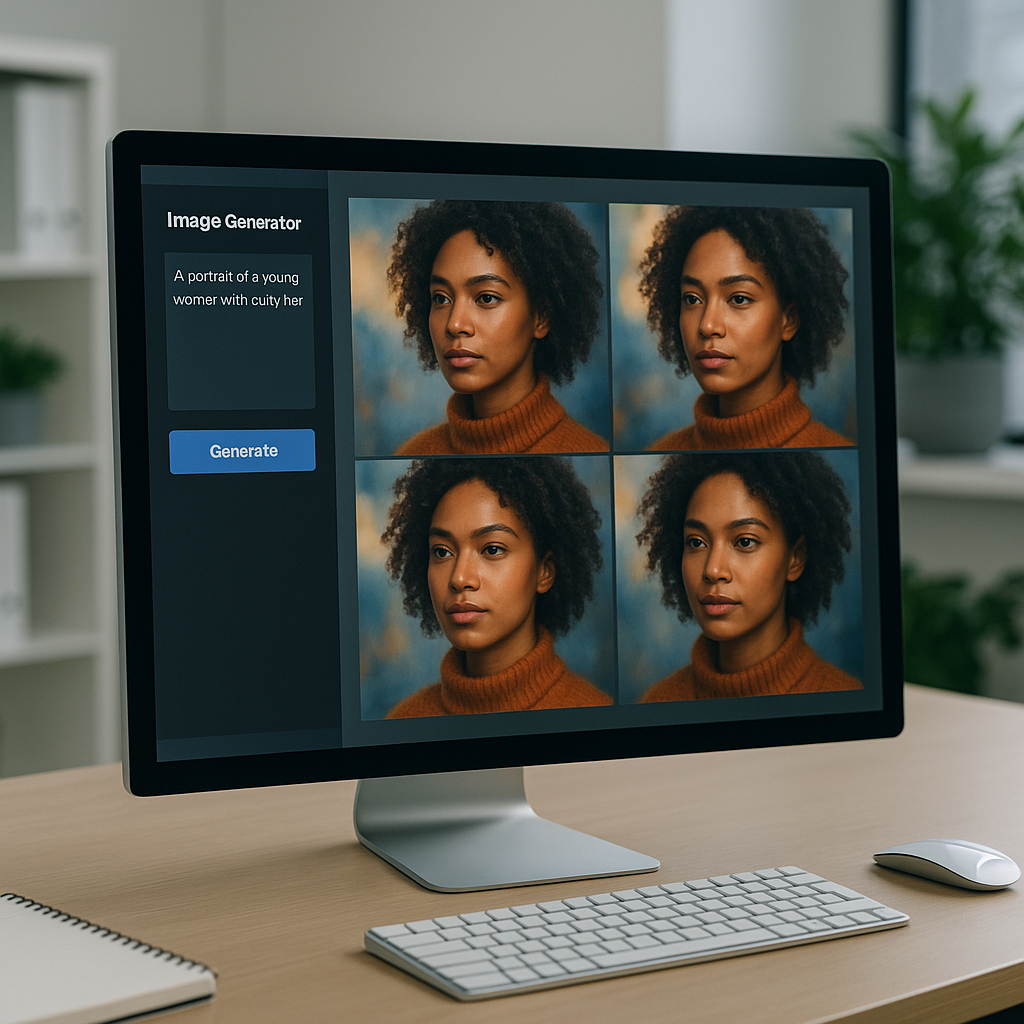
Image Generators
In recent years, the advent of image generators has revolutionised the way we create and consume visual content. With advancements in artificial intelligence (AI) and machine learning, these tools have become increasingly sophisticated, enabling users to generate stunning images from textual descriptions or modify existing images with remarkable precision. This technological leap has significant implications for various industries, ranging from marketing and entertainment to art and design.
Image generators, powered predominantly by deep learning algorithms, have gained popularity among both amateur and professional creators. At the forefront of this movement are models like DALL-E, Midjourney, and Stable Diffusion, which utilise vast datasets to learn the intricacies of visual representation. Users can input simple phrases or complex prompts, and within seconds, the AI produces a unique image that reflects the given description. This capability not only streamlines the creative process but also democratizes art, allowing individuals without formal training to bring their ideas to life.
The rise of image generators has ignited a discussion around creativity and authorship. Traditionally, artistry has been attributed to human creators, but with AI stepping into the creative realm, the definition of an artist is evolving. Critics argue that works generated by algorithms lack the emotional depth and intent that characterise human artistry. Conversely, proponents argue that these tools are extensions of human creativity, facilitating new forms of expression and collaboration. This ongoing debate raises important questions about the role of technology in creative industries and the future of artistic endeavour.
In the world of marketing, image generators have proven to be invaluable. Companies are increasingly leveraging these tools to create eye-catching visuals for social media campaigns, advertisements, and product designs. The ability to generate high-quality images quickly and affordably allows businesses to experiment with concepts and branding in ways that were previously unattainable. For instance, a fashion brand can create unique clothing designs or marketing materials tailored to specific demographics without the need for extensive photoshoots or hiring graphic designers. This efficiency not only saves time and resources but also enables brands to remain agile in an ever-changing market.
Moreover, the entertainment industry is experiencing a significant transformation due to the rise of image generators. Filmmakers, game developers, and animators are harnessing these tools to generate concept art, character designs, and even entire scenes. This capability allows creators to visualise their ideas more effectively and make informed decisions during the production process. The use of AI in visual storytelling can also enhance the viewer's experience, as unique and imaginative visuals captivate audiences in ways that traditional methods may struggle to achieve.
However, the proliferation of image generators is not without its challenges. The ease with which users can create images raises concerns about copyright infringement and the potential for misuse. As these tools become more accessible, the risk of generating images that replicate existing artworks or infringe on intellectual property rights increases. In response, artists and legal experts are calling for clearer guidelines and regulations surrounding the use of AI-generated content. Establishing ethical standards is crucial to ensuring that the rights of human creators are respected while embracing the benefits of technological innovation.
Another critical aspect of image generators is the potential for biased outputs. AI models are trained on vast datasets that may inadvertently contain biases reflective of societal prejudices. Consequently, when users generate images, they may receive outputs that reinforce stereotypes or misrepresent certain groups. This issue underscores the importance of inclusivity in AI development and the need for diverse datasets that accurately represent the richness of human experience. Developers must be vigilant in addressing these biases to ensure that image generators contribute positively to society.
In educational settings, image generators are being integrated into curricula to enhance learning experiences. Art students, for instance, can use these tools to explore new styles and techniques, pushing the boundaries of their creativity. Educators are finding innovative ways to incorporate AI into lessons, fostering critical thinking and encouraging students to engage with technology in a meaningful way. As these tools continue to evolve, they offer exciting possibilities for interdisciplinary collaboration, merging art with science, technology, engineering, and mathematics (STEM).
Looking ahead, the future of image generators appears bright, with ongoing research and development promising even more sophisticated capabilities. As AI technology matures, we can expect improvements in the quality and variety of generated images, alongside enhanced user interfaces that make these tools more intuitive. Additionally, the integration of augmented reality (AR) and virtual reality (VR) with image generation could create immersive experiences that blur the lines between the digital and physical worlds.
As image generators continue to expand their reach, it is essential for users to approach these tools with a sense of responsibility and awareness. Embracing the potential of AI in creative processes while recognising the ethical implications will be crucial. The dialogue surrounding creativity, authorship, and bias must persist, ensuring that as we forge ahead into this new era of image creation, we do so with consideration for the values and principles that underpin artistic expression.
In conclusion, image generators are reshaping the landscape of visual creativity, offering unprecedented opportunities for innovation across various sectors. While the technology presents challenges, it also opens doors to new forms of expression and collaboration. As we navigate this evolving terrain, it is imperative to strike a balance between harnessing the power of AI and upholding the integrity of human creativity. The future of image generation is not just about what we can create but also about how we choose to use these remarkable tools responsibly and ethically.
Recent Posts
Head-to-Head: Comparing Top AI Models in Работа с Нейросетями and Their Impact
червень 16, 2026
Debunking Myths: The Realities of Работа с Нейросетями and AI Models Today
червень 16, 2026
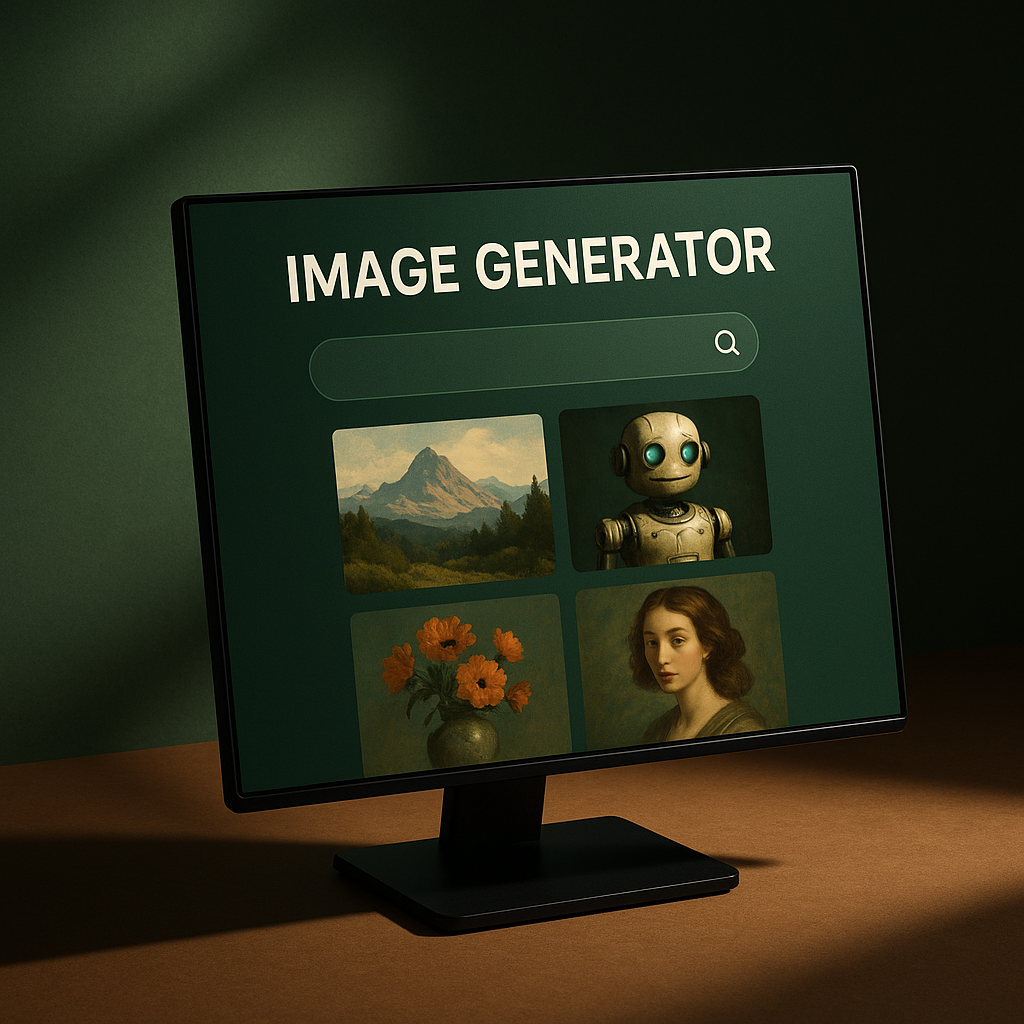
Unlocking Creativity: A Simple Guide to Using Image Generators for Beginners
червень 16, 2026
Maximum Potential
Отримайте повний досвід із планом Pro
ІНФОРМАЦІЯ