квітень 28, 2026
Unlock Your Creativity: How Image Generators are Transforming Digital Art in 2023
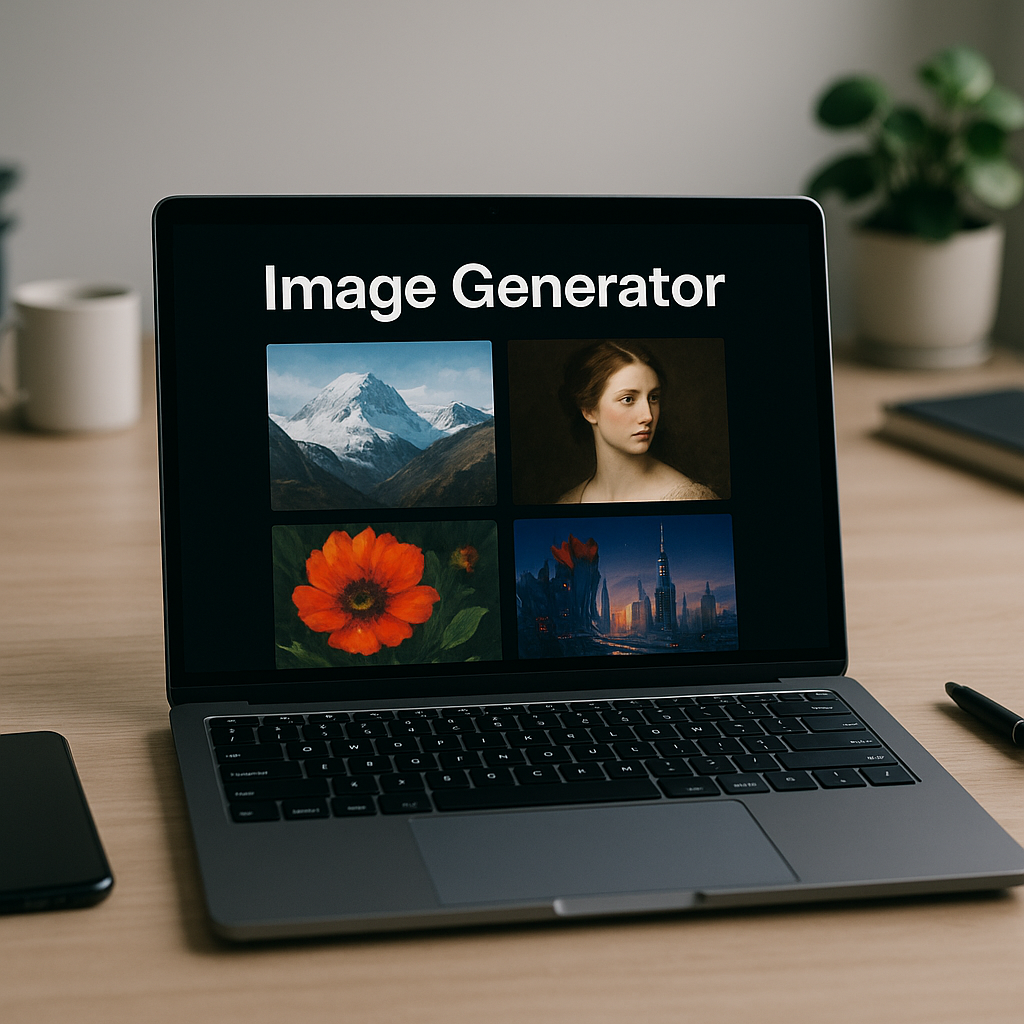
Image Generators
The digital landscape is undergoing a transformative shift, driven largely by the advent of advanced image generators. These sophisticated tools, powered by artificial intelligence (AI), have rapidly evolved, enabling users to create stunning visual content with unprecedented ease and speed. From artists and designers to marketers and hobbyists, image generators are redefining our interaction with visual media, sparking both excitement and debate about their implications for creativity and intellectual property.
At the heart of this phenomenon lies a technology known as generative adversarial networks (GANs). GANs consist of two neural networks, the generator and the discriminator, which work in tandem to produce images that are increasingly realistic. The generator creates images from random noise, while the discriminator evaluates them against real images, providing feedback that helps the generator improve its output. This cycle continues until the generated images are virtually indistinguishable from genuine photographs or artworks.
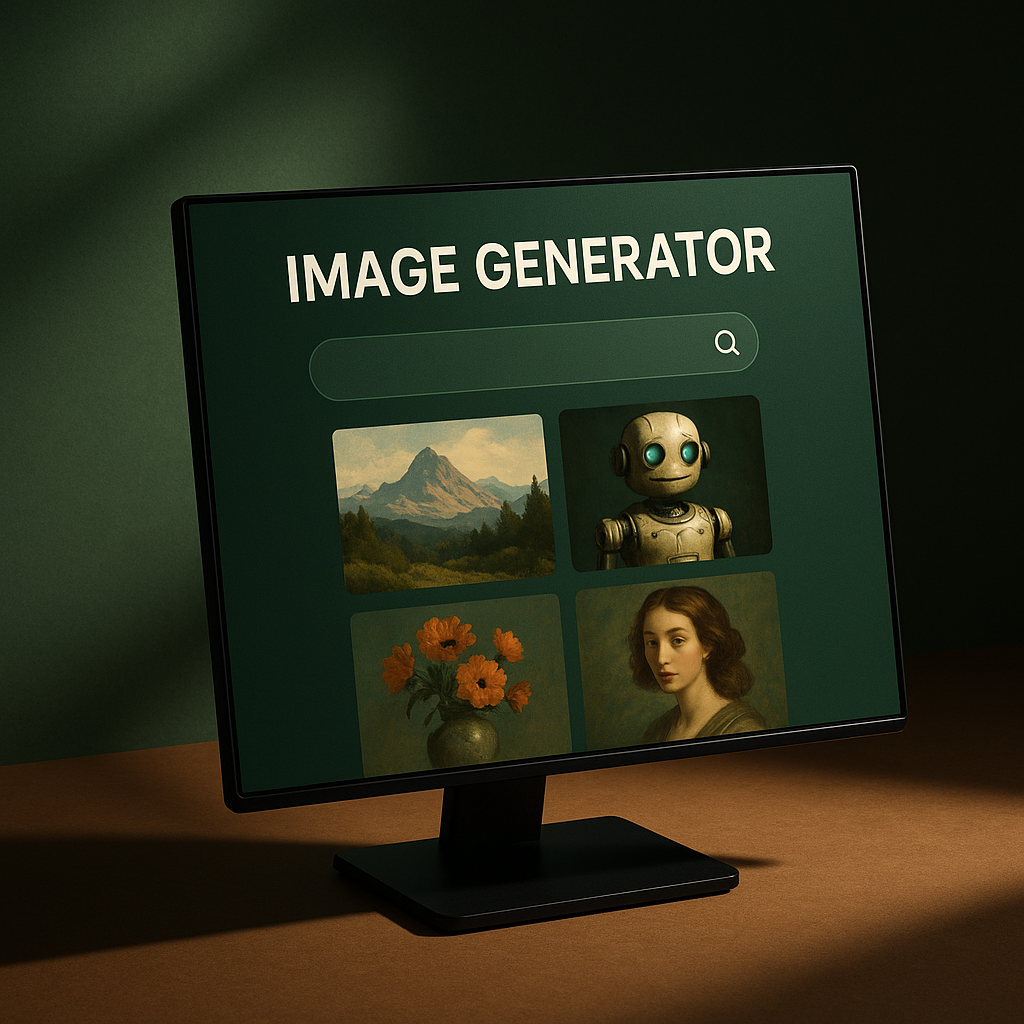
Popular platforms like DALL-E, Midjourney, and Stable Diffusion have gained significant traction, allowing users to produce images by simply inputting text prompts. For instance, a user might type "a serene landscape at sunset with rolling hills and a tranquil lake," and within moments, the AI produces a striking image that reflects that description. This democratization of image creation has opened doors for those without formal artistic training, empowering a new generation of creators to express their visions.
The implications of this technology are vast. For businesses, image generators offer the potential for rapid prototyping and visual content creation, streamlining workflows and reducing costs. Marketers can quickly generate eye-catching visuals for campaigns, while product designers can create concept images to present ideas to stakeholders without the need for extensive resources. The ability to produce high-quality images on demand is not only efficient but also allows for greater experimentation and innovation.
However, the rise of image generators has also raised significant ethical concerns. One of the most pressing issues is the question of originality and ownership. As AI models learn from vast datasets of existing images, the line between inspiration and imitation becomes increasingly blurred. Artists have expressed concerns that their work could be unwittingly replicated or that their styles could be mimicked without attribution, leading to potential financial losses and a dilution of their unique artistic identities.
Moreover, the potential for misuse of image generation technology cannot be overlooked. The ability to create hyper-realistic images raises the spectre of deepfakes and misinformation. Manipulated images can be used to distort reality, create false narratives, or even defame individuals. As a result, the need for robust ethical guidelines and regulations around the use of image generators is more crucial than ever in order to safeguard against these risks.
In response to these challenges, various stakeholders are advocating for clearer copyright laws and frameworks that address the unique issues posed by AI-generated content. Discussions are ongoing regarding the responsibility of AI developers in ensuring that their models are trained on ethically sourced data and that they incorporate mechanisms to protect original creators. Some platforms have begun to implement watermarking systems to indicate AI-generated content, providing transparency for viewers and preserving the integrity of original works.
In the art world, traditional artists are finding ways to coexist with this new technology. Some are embracing image generators as tools to enhance their creative processes rather than replace them. For instance, artists can use AI-generated images as a foundation for further exploration, adding their personal touch and style to the generated output. This hybrid approach not only showcases the unique voice of the artist but also demonstrates the potential for collaboration between human creativity and machine learning.
As image generators continue to evolve, they are likely to become an integral part of our digital ecosystem. Educational institutions are beginning to incorporate AI tools into their curricula, preparing future generations of artists and designers for a landscape that melds technology with traditional artistry. Workshops and online courses are emerging, focusing on how to effectively utilise these tools while navigating the ethical complexities they present.
The future of image generation holds exciting possibilities. With advancements in AI technology, we can expect even more sophisticated tools that enhance creativity and foster collaboration. The integration of augmented reality (AR) and virtual reality (VR) with image generation could create immersive experiences that redefine how we perceive and interact with visual content. Imagine walking through a gallery where the artworks adapt in real-time based on viewer interactions or preferences, all created on-the-fly by AI.
In conclusion, image generators are reshaping the landscape of visual content creation, offering both opportunities and challenges. As we navigate this new terrain, it is essential to strike a balance between harnessing the potential of AI and preserving the value of human creativity. The dialogue surrounding ethics, ownership, and collaboration will play a pivotal role in determining how we integrate these technologies into our lives. As we stand on the brink of a new era in visual expression, the question remains: how will we choose to wield these powerful tools to enrich our creative landscapes?
Recent Posts
Head-to-Head: Comparing Top AI Models in Работа с Нейросетями and Their Impact
червень 16, 2026
Debunking Myths: The Realities of Работа с Нейросетями and AI Models Today
червень 16, 2026
Unlocking Creativity: A Simple Guide to Using Image Generators for Beginners
червень 16, 2026
Maximum Potential
Отримайте повний досвід із планом Pro
ІНФОРМАЦІЯ