March 5, 2026
Unlock Your Creativity: How Image Generators Are Transforming Digital Art in 2023
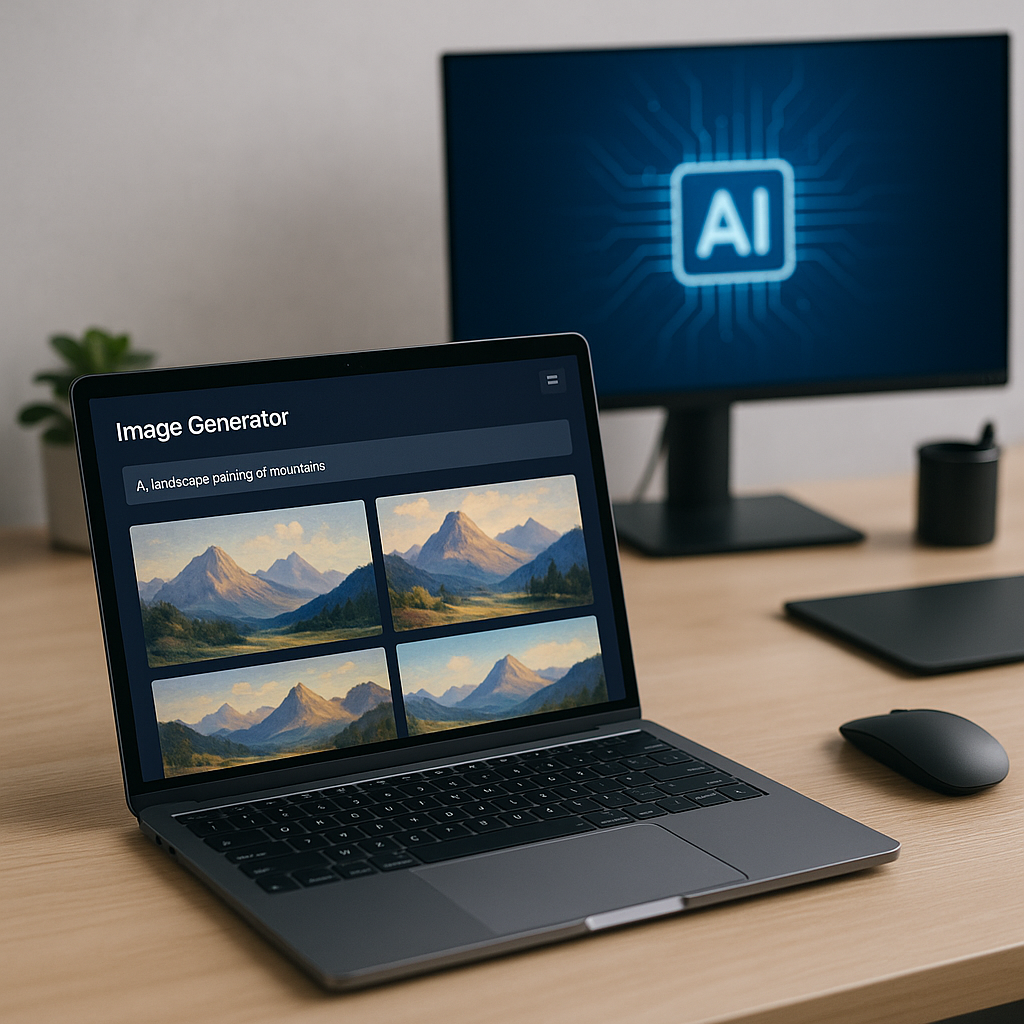
Image Generators
The rise of image generators has marked a significant transformation in the field of digital art and content creation. With advancements in artificial intelligence (AI) and machine learning, these tools have become more accessible and powerful, enabling users to create stunning visuals with just a few clicks. From amateur creators to professional artists, image generators are reshaping the way we think about visual media, challenging traditional artistic boundaries and raising questions about originality and copyright in the digital age.
At the heart of this revolution is a technology known as Generative Adversarial Networks (GANs). GANs consist of two neural networks: a generator that creates images and a discriminator that evaluates them. The generator produces images based on random noise and specific inputs, while the discriminator assesses whether the images are real or generated. This tug-of-war dynamic allows the generator to refine its outputs, ultimately resulting in increasingly realistic images. As a result, modern image generators can produce a wide range of visuals, from hyper-realistic portraits to abstract art, all tailored to user specifications.
One of the most notable examples of an image generator is OpenAI's DALL-E, which gained widespread attention for its ability to create unique images from textual descriptions. Users can input phrases like "a cat wearing a space helmet" or "a futuristic cityscape at sunset," and DALL-E will generate corresponding images that fulfill these requests. This capability not only showcases the potential of AI in artistic expression but also opens up new avenues for creativity, allowing people without formal artistic training to produce compelling visuals.
Another significant player in this space is Midjourney, a platform that enables users to create images through a collaborative process. Midjourney operates primarily through Discord, where users can interact with the AI by submitting prompts and tweaking generated images in real-time. This community-driven approach fosters a sense of collaboration among users, who can share their creations and learn from one another. As a result, Midjourney not only serves as a tool for creation but also as a social space for artists and enthusiasts alike.
The democratization of image creation through these generators raises important questions regarding authorship and ownership. As AI systems produce images based on vast datasets of existing artworks, concerns about copyright infringement and originality become paramount. Who owns the rights to an image generated by an AI— the user who provided the prompt, the developers of the AI, or the artists whose works contributed to the training data? These questions are currently at the forefront of legal discussions among policymakers, artists, and tech companies.
Moreover, the ease of use provided by image generators has sparked debates about the value of traditional artistry. Some critics argue that the reliance on AI for image creation undermines the skills and creativity of human artists. However, proponents of these technologies contend that image generators can serve as tools that enhance human creativity rather than replace it. Many artists are now using these tools to augment their creative processes, experimenting with AI-generated images as starting points for more complex works or as inspiration for new ideas.
In the commercial realm, businesses are quickly recognizing the potential of image generators for marketing and branding. Companies can generate custom visuals for advertising campaigns, social media content, and product designs at unprecedented speeds and costs. This capability not only saves time and resources but also allows brands to maintain a consistent visual identity while adapting to the ever-changing digital landscape. As a result, image generators are becoming integral to the toolkit of marketers and content creators.
Despite their many advantages, image generators are not without limitations. While they can produce visually striking images, they often lack the nuanced understanding of context and emotion that a human artist can convey. Additionally, the quality of generated images can vary significantly depending on the complexity of the input prompt and the sophistication of the underlying AI model. Users may find themselves navigating a trial-and-error process to achieve their desired outcomes, which can be frustrating, especially for those seeking precision in their visuals.
Furthermore, ethical concerns surrounding AI-generated imagery continue to grow. The potential for misuse—such as creating deepfakes or misleading images—poses a challenge for society as we grapple with the implications of hyper-realistic digital content. As image generators become more advanced, it is crucial for developers to implement measures that prevent their tools from being used for harmful purposes, ensuring that these technologies contribute positively to the creative landscape.
Looking ahead, the future of image generators appears bright yet complex. As AI technology continues to evolve, we can expect even more sophisticated tools that enable users to create increasingly personalized and high-quality images. Integration with other technologies, such as virtual reality (VR) and augmented reality (AR), may further enhance the capabilities of image generators, allowing users to interact with and manipulate their creations in immersive environments.
In conclusion, image generators are at the forefront of a creative revolution, redefining how art is produced and consumed in the digital age. By blending technology with creativity, these tools empower a diverse range of users to express themselves visually, pushing the boundaries of traditional artistry. However, as we embrace this new era of digital creation, it is essential to navigate the accompanying ethical and legal challenges thoughtfully. The conversation surrounding image generators is just beginning, and as they continue to develop, they will undoubtedly play a critical role in shaping the future of art and content creation.
Recent Posts
Breakthrough in Neural Networks: How New AI Models Revolutionize Global Tech
June 16, 2026
Head-to-Head: Comparing Neural Network Models and Their Impact on AI Work Today
June 16, 2026
New Breakthrough in Image Generators Promises to Revolutionize Artistic Expressi...
June 16, 2026
Maximum Potential
Get the full experience with Pro Plan
INFORMATION