березень 27, 2026
Unlock Your Creativity: How Image Generators Are Transforming Digital Art Today
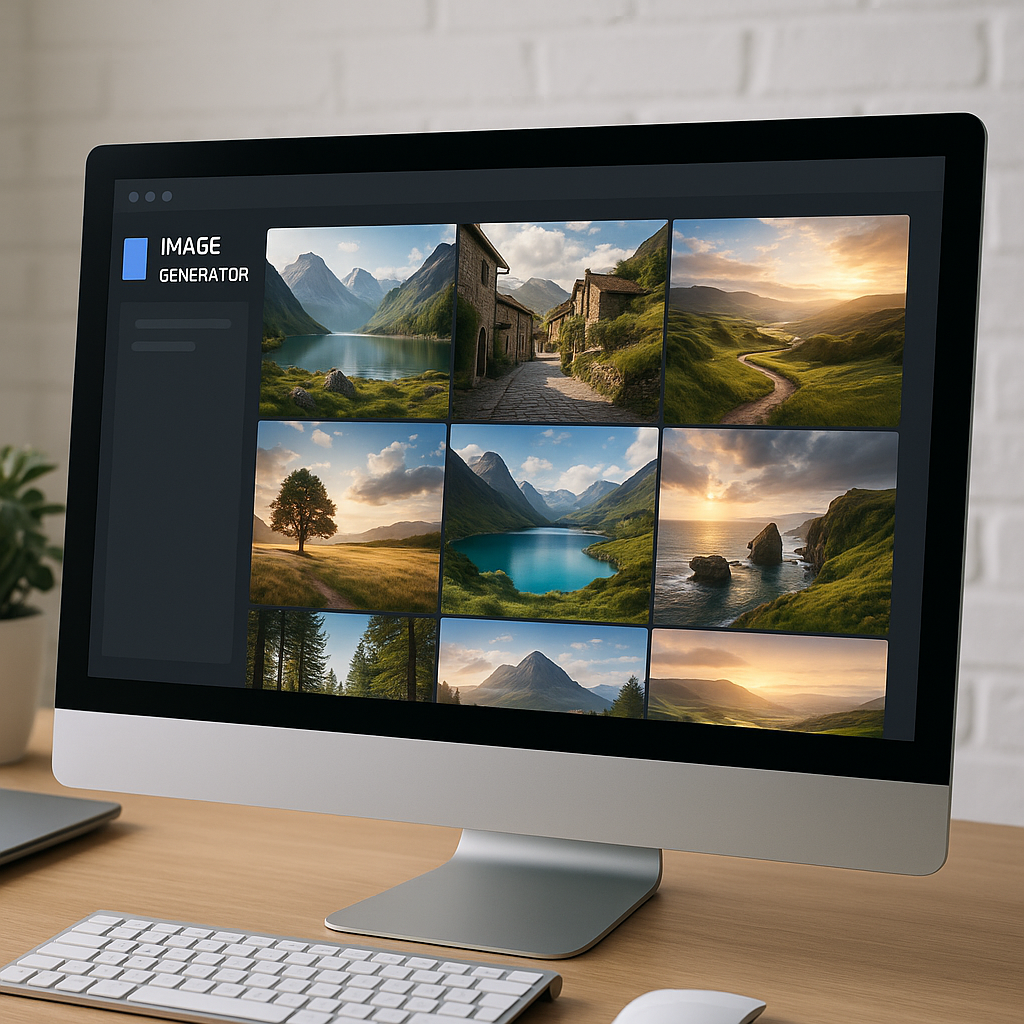
Image Generators
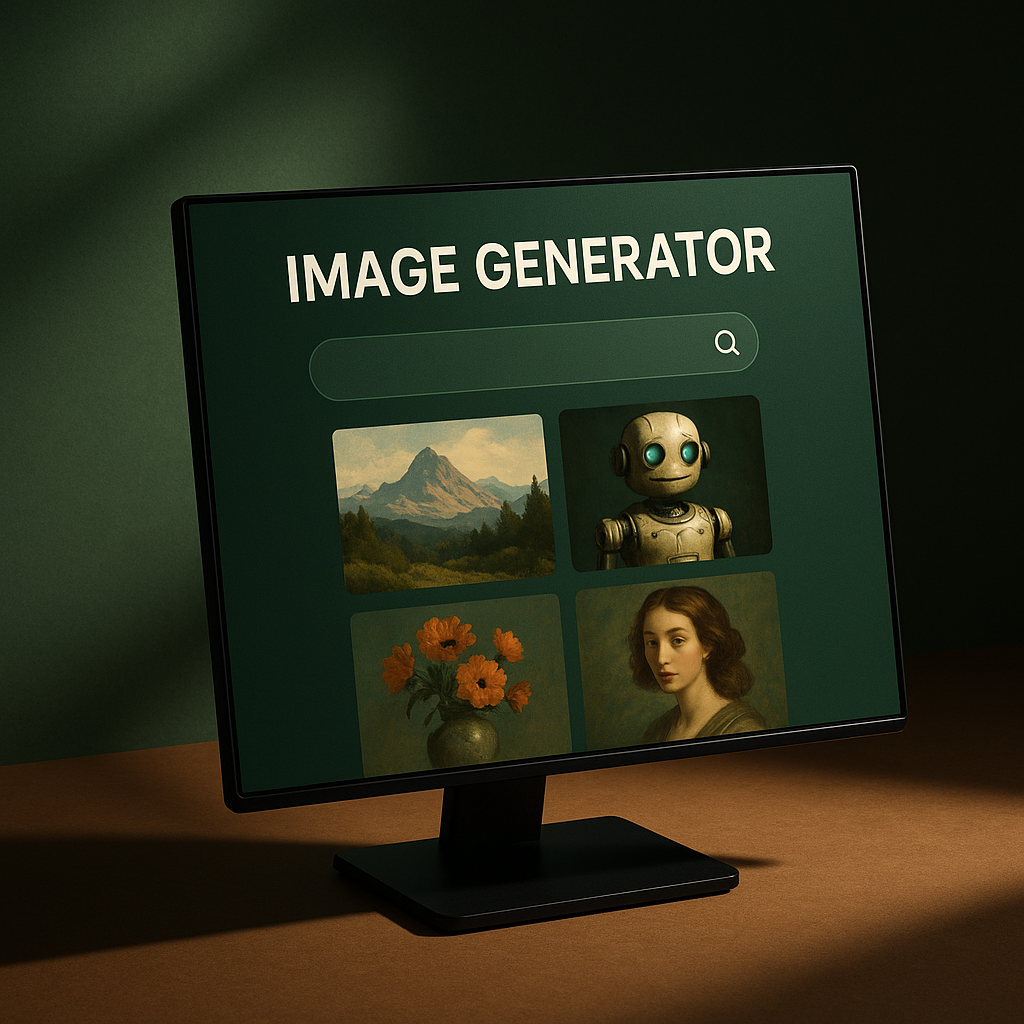
In recent years, image generators have surged in popularity, revolutionising the way artists, designers, and content creators approach visual media. This remarkable technology, powered by artificial intelligence (AI), has captivated the public's imagination by enabling the creation of stunning images from simple text prompts. The rise of these tools has sparked debates about creativity, authenticity, and the future of art itself.
Image generators, particularly those built on advanced machine learning models such as Generative Adversarial Networks (GANs) and diffusion models, have made significant strides in producing high-quality visuals. Leading the charge are platforms like DALL-E, Midjourney, and Stable Diffusion, which allow users to input descriptive phrases and receive unique images in return. These systems have been trained on vast datasets, enabling them to synthesise visuals that can range from photorealistic to highly stylised, depending on the user’s needs.
The implications of this technology extend far beyond mere novelty. For artists and designers, image generators offer a new canvas for exploration and experimentation. Traditional methods of creation can be time-consuming and labour-intensive, but AI-generated images can streamline the process, allowing creators to focus on refining their ideas rather than getting bogged down in the technicalities of execution. This has the potential to democratise art, enabling individuals with little to no formal training to produce compelling visuals.
Moreover, image generators have found applications across various industries, including marketing, gaming, and even fashion. In advertising, companies can generate tailored imagery for campaigns without the need for expensive photoshoots. In the gaming sector, developers can quickly create concept art and character designs, reducing time-to-market for new titles. Similarly, in fashion, designers are experimenting with AI to envision new clothing lines, pushing the boundaries of creativity.
However, the rise of image generators has not been without controversy. One of the primary concerns is the potential for copyright infringement. As these AI models are often trained on existing artworks, there is a growing debate about whether the generated images infringe on the intellectual property rights of original creators. Artists have expressed apprehension that their work may be used without attribution or compensation, raising ethical questions about ownership and originality in the digital age.
Furthermore, the issue of deepfakes looms large over the advancements in image generation technology. While deepfakes primarily involve the manipulation of video content, the same principles apply to the generation of images. The potential for misuse is significant; malicious actors could create misleading or harmful content that poses risks to individuals and society at large. As a result, many tech companies are now grappling with how to implement safety measures and guidelines to prevent the misuse of their tools.
In light of these challenges, the industry is beginning to recognise the need for regulation. Discussions around ethical AI usage have gained traction, with calls for transparency in how image generators are trained and the datasets they utilise. Initiatives aimed at ensuring that creators are compensated for their work, and that AI-generated content is clearly labelled, are becoming increasingly important. Industry leaders are also advocating for the development of frameworks that protect artists while fostering innovation.
Despite these hurdles, the future of image generators appears bright. Continuous advancements in AI technology promise even greater capabilities, including the ability to generate 3D models and interactive visuals. As these tools become more sophisticated, they are likely to evolve from simple image generation to a more complex understanding of artistic styles and user intent. This could lead to collaborative platforms where humans and AI work together in the creative process, merging the best of both worlds.
In educational settings, image generators are being explored as tools for teaching art and design. By allowing students to experiment with different styles and techniques, educators can foster creativity and innovation. Students can learn to critique AI-generated art, exploring themes of originality and aesthetics, while also developing their own artistic voice in the process. This not only enhances their understanding of visual language but also prepares them for a future where AI will be an integral part of many creative industries.
As image generators continue to evolve, their impact on culture and society will be profound. They challenge traditional notions of creativity and authorship while providing new opportunities for artistic expression. The dialogue surrounding these technologies is essential, as it underscores the need for a balanced approach that embraces innovation while addressing ethical concerns.
Ultimately, image generators signify a transformative shift in the landscape of visual arts. As they become more accessible and user-friendly, they will enable a broader range of people to engage with art-making, potentially leading to a renaissance of creativity. The interplay between human intuition and machine learning offers a glimpse into a future where art knows no boundaries, inviting everyone to participate in the creation of visual narratives.
In conclusion, while image generators present challenges that must be navigated carefully, they also herald an exciting era of possibilities for artists, designers, and creators. As society continues to grapple with the implications of this technology, it is clear that the conversation around AI-generated art will be a vital one, shaping not only the future of art but also the very fabric of creativity itself.
Recent Posts
Head-to-Head: Comparing Top AI Models in Работа с Нейросетями and Their Impact
червень 16, 2026
Debunking Myths: The Realities of Работа с Нейросетями and AI Models Today
червень 16, 2026
Unlocking Creativity: A Simple Guide to Using Image Generators for Beginners
червень 16, 2026
Maximum Potential
Отримайте повний досвід із планом Pro
ІНФОРМАЦІЯ