March 17, 2026
Unlock Your Creativity: How Image Generators are Transforming Digital Artistry
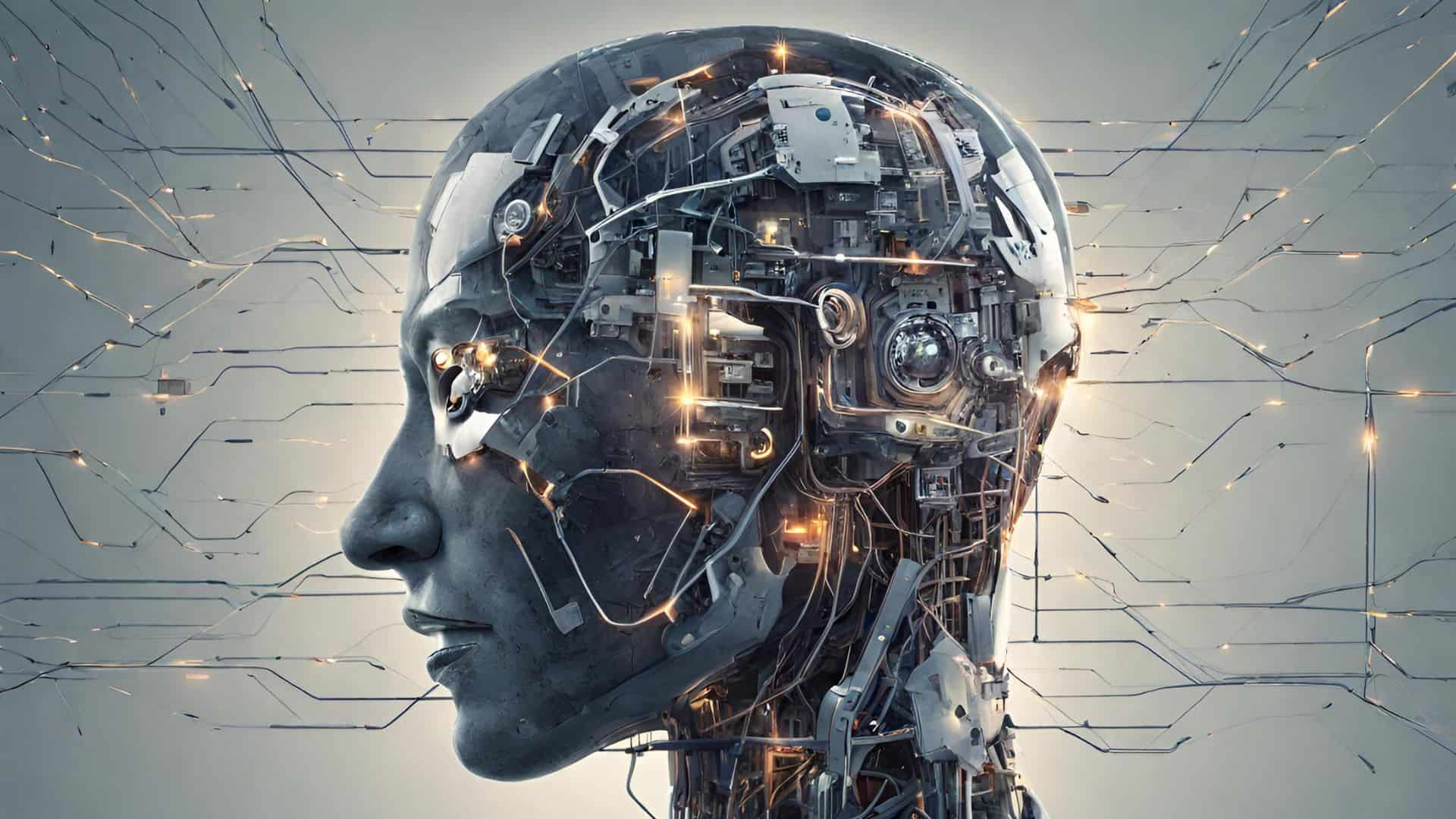
Image Generators
In recent years, the rise of artificial intelligence has transformed various industries, and one of the most intriguing developments has emerged in the realm of image generation. Image generators, powered by advanced algorithms and neural networks, have captivated both amateur and professional creators, pushing the boundaries of what is possible in visual art and design. These innovative tools are not only reshaping the creative landscape but also raising important questions about authenticity, copyright, and the future of creativity itself.
At the heart of image generation technology are deep learning models, particularly Generative Adversarial Networks (GANs). Introduced by Ian Goodfellow and his colleagues in 2014, GANs consist of two neural networks—the generator and the discriminator—that work in tandem to produce images. The generator creates new images based on input data, while the discriminator evaluates them against actual images to determine their authenticity. This self-reinforcing loop allows the generator to improve over time, yielding increasingly realistic and diverse outputs.
One of the most popular image generators is OpenAI's DALL-E, which gained significant attention for its ability to create highly detailed images from textual descriptions. Users can input phrases like “a two-headed flamingo wearing a top hat,” and DALL-E will produce an original image that reflects that description. Such capabilities have sparked a creative revolution, enabling artists, designers, and marketers to visualize concepts and ideas that previously existed only in their imagination.
Another notable contender in the image generation space is Stability AI's Stable Diffusion. This model employs a different approach known as diffusion models, which generate images by gradually transforming random noise into coherent images through a series of steps. The results are often stunning, showcasing a remarkable level of detail and creativity. With tools like Midjourney and Runway ML also making waves, the accessibility of image generation technology is increasing, allowing more people to experiment and create without needing advanced technical skills.
The impact of these image generators extends far beyond the art world. Industries such as advertising, gaming, and film are increasingly leveraging these tools to accelerate their creative processes. For instance, marketers can quickly create product mock-ups or campaign visuals, while game developers can generate concept art and character designs at unprecedented speeds. This efficiency not only saves time and resources but also enables a more agile response to market demands.
However, the rise of image generators is not without its challenges. As these tools become more advanced, concerns about copyright and intellectual property rights are escalating. When an AI creates an image, questions arise about ownership and the potential for infringement on existing artworks. If an AI-generated image closely resembles a famous painting or photograph, who holds the rights? These legal gray areas are prompting discussions among lawmakers, artists, and technologists about how to navigate this evolving landscape.
Moreover, the ethical implications of image generation cannot be overlooked. The potential for misuse is significant; for instance, generating fake images to spread misinformation or create deceptive content poses a serious threat to public trust. As a result, many in the industry are advocating for the implementation of ethical guidelines and the development of technologies to detect AI-generated content. Transparency will be crucial in ensuring that these tools are used responsibly and that creators are held accountable for their outputs.
Despite these concerns, the positive potential of image generators is undeniable. They democratize creativity, allowing individuals without formal training to produce high-quality visuals. This shift could lead to a more diverse range of artistic expression, as voices that were previously marginalized can now find platforms to share their work. Additionally, educational institutions are beginning to incorporate these technologies into their curricula, preparing the next generation of artists to harness AI in their creative endeavors.
As image generators continue to evolve, their integration with other technologies such as virtual reality (VR) and augmented reality (AR) is anticipated. Imagine stepping into a fully immersive environment where AI-generated visuals respond to your actions in real-time, creating a unique experience tailored to each user. This convergence of technologies could redefine storytelling, gaming, and interactive art, opening up new dimensions of engagement and creativity.
Furthermore, the future of image generation may also involve collaboration between humans and machines. Rather than replacing artists, these tools can enhance their capabilities, acting as partners in the creative process. For instance, an artist might use an image generator to brainstorm ideas or create drafts, which they can then refine and personalize. This synergy could lead to innovative works that blend human intuition and machine efficiency, resulting in art that is both deeply personal and strikingly original.
As the technology matures, the landscape of image generation will likely expand, driven by advancements in machine learning and the growing appetite for visual content across all sectors. The key will be finding a balance between innovation and ethical considerations, ensuring that the tools serve to empower rather than exploit. Stakeholders, including artists, technologists, and policymakers, must engage in ongoing dialogue to establish frameworks that promote creativity while safeguarding against potential abuses.
Ultimately, image generators represent a fascinating intersection of technology and artistry. They are poised to redefine how we create and consume images, challenging traditional notions of authorship and creativity. As we embrace this new era of digital creation, the possibilities seem limitless, inviting us to reimagine the role of art in our society and the ways we connect with it. The journey has only just begun, and the world of image generation is sure to unfold in unexpected and exciting directions in the years to come.
Recent Posts
Breakthrough in Neural Networks: How New AI Models Revolutionize Global Tech
June 16, 2026
Head-to-Head: Comparing Neural Network Models and Their Impact on AI Work Today
June 16, 2026
New Breakthrough in Image Generators Promises to Revolutionize Artistic Expressi...
June 16, 2026
Maximum Potential
Get the full experience with Pro Plan
INFORMATION