January 21, 2026
Unlock Your Creativity: How Image Generators Are Transforming Digital Artistry
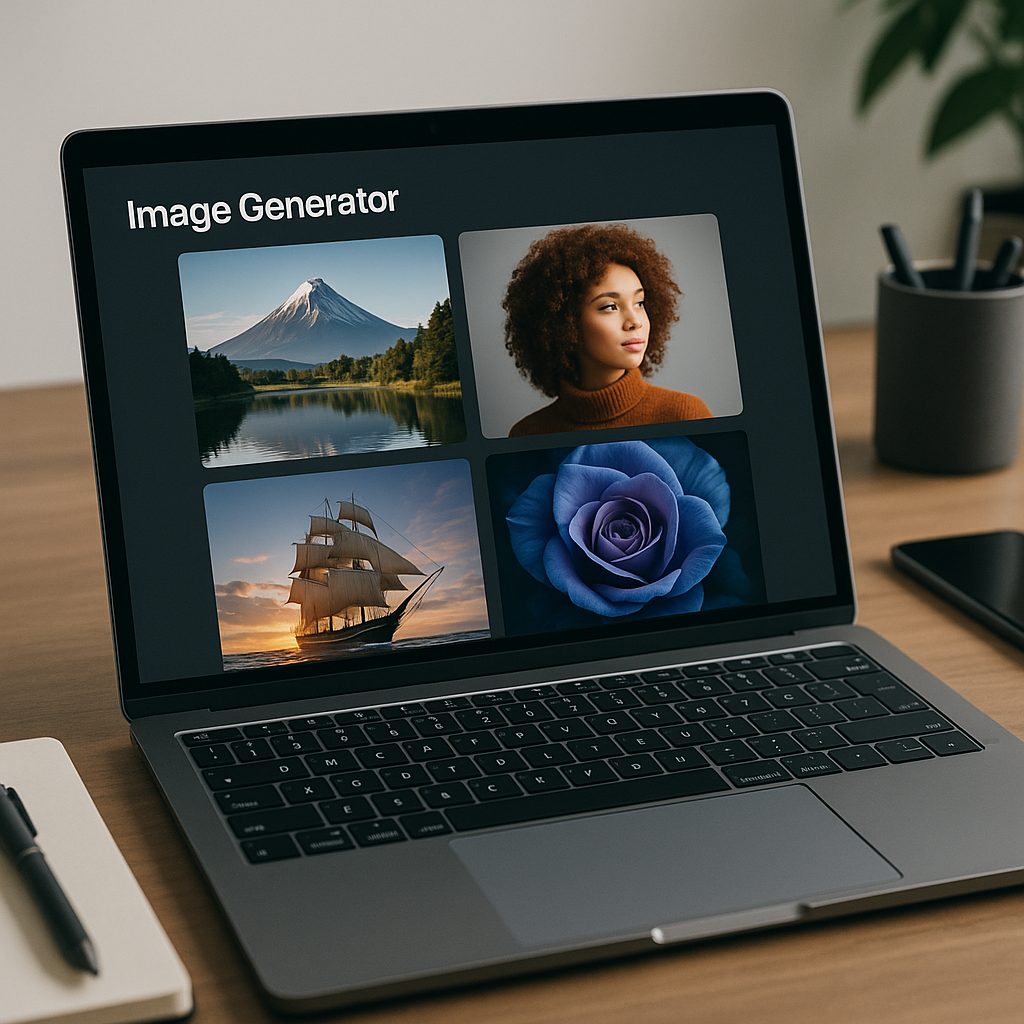
Image Generators
In recent years, image generators have emerged as a transformative technology, revolutionizing the way we create and interact with visual content. From artists and designers to marketers and educators, the applications of these tools span diverse fields, demonstrating their profound impact on creativity and productivity. Image generators utilize advanced algorithms, often powered by artificial intelligence (AI), to produce images from textual descriptions, redefine artistic processes, and facilitate new forms of visual storytelling.
One of the most significant advancements in image generation is the development of Generative Adversarial Networks (GANs). GANs consist of two neural networks: a generator that creates images and a discriminator that evaluates them. This dynamic allows the generator to improve continually by learning from the feedback provided by the discriminator. As a result, GANs can produce highly realistic images that can be indistinguishable from those created by human artists. This technology has paved the way for various applications, from generating artwork and fashion designs to creating lifelike avatars and virtual environments for video games.
Moreover, tools like OpenAI's DALL-E and Midjourney have garnered significant attention for their ability to generate high-quality images based on simple text prompts. DALL-E, for instance, can generate diverse images ranging from photorealistic animals to surreal landscapes, all from a few descriptive words. This capability has opened up new possibilities for creativity, enabling users who may not have traditional artistic skills to generate stunning visuals effortlessly. The democratization of image creation has empowered individuals and businesses alike, leading to a surge in content creation across social media, advertising, and various digital platforms.
Image generators are not limited to artistic creation; they also play a crucial role in enhancing productivity in various industries. In marketing, for instance, businesses are increasingly leveraging these tools to create unique visuals for campaigns. By quickly generating images tailored to specific themes or audiences, marketers can save time and resources while maintaining a consistent brand image. Additionally, image generators can assist in A/B testing, allowing marketers to explore different visual styles and gauge audience response before launching a full campaign.
Education is another sector benefiting from image generation technology. With the rise of online learning, educators are using these tools to create engaging visual content that aids in the understanding of complex concepts. Infographics, diagrams, and illustrative images can be generated on-demand, making lessons more interactive and visually appealing. This shift not only enhances student engagement but also supports diverse learning styles, catering to visual learners who may struggle with traditional text-based materials.
Despite the numerous advantages, the rise of image generators has not been without controversy. The ethical implications of AI-generated content are a topic of ongoing debate. Concerns about copyright infringement, the potential for misinformation, and the loss of traditional artistic jobs have sparked discussions across various forums. As these technologies become more integrated into creative workflows, questions about authorship and originality arise. For instance, if an artwork is generated entirely by an AI, who holds the rights to that image? Is it the programmer, the user who provided the input, or the AI itself?
Moreover, the potential for misuse is another critical concern. With the ability to generate hyper-realistic images, there is a growing fear of deepfakes and misleading content that could be used to manipulate public opinion or perpetrate fraud. As a response, lawmakers and industry leaders are calling for regulations to govern the use of image generators, ensuring that they are employed responsibly and ethically. This includes the implementation of watermarking technologies to identify AI-generated content, thereby promoting transparency in the digital space.
As the technology continues to evolve, it is becoming increasingly important for artists and creators to navigate the changing landscape of digital art. Many traditional artists are embracing image generators as tools to complement their work rather than replace it. By integrating AI-generated elements into their creations, artists can push the boundaries of their craft, exploring new styles and concepts that may not have been possible through traditional methods. This fusion of human creativity and machine intelligence is leading to innovative art forms, bridging the gap between technology and artistic expression.
The future of image generation holds immense potential. With ongoing advancements in AI and machine learning, we can expect even more sophisticated tools that enhance the creative process. Future image generators may not only understand textual prompts but also interpret emotions, cultural contexts, and artistic styles, providing users with even greater control and personalization in their creations. As these technologies mature, we may witness a new renaissance in visual art, where collaboration between humans and machines leads to unprecedented forms of expression.
In conclusion, image generators represent a significant shift in the landscape of visual content creation. Their ability to produce high-quality images from simple text prompts has democratized art, empowered industries, and sparked discussions about ethics and originality. As we move forward, it is essential for creators, innovators, and policymakers to engage in meaningful dialogue about the implications of this technology, ensuring that it serves as a tool for enhancement rather than a source of concern. Ultimately, the fusion of human creativity and artificial intelligence promises to reshape the future of art and design, paving the way for new possibilities and experiences in the visual realm.
Recent Posts
Breakthrough in Neural Networks: How New AI Models Revolutionize Global Tech
June 16, 2026
Head-to-Head: Comparing Neural Network Models and Their Impact on AI Work Today
June 16, 2026
New Breakthrough in Image Generators Promises to Revolutionize Artistic Expressi...
June 16, 2026
Maximum Potential
Get the full experience with Pro Plan
INFORMATION